Everyday Living In Crown Heights: Brownstones And Cafes
February 5, 2026
February 5, 2026
What does a normal Tuesday feel like in Crown Heights? Picture tree‑lined blocks of stone stoops and cornices, a coffee in hand, and a short walk to parks or a subway. If you love good design and want a neighborhood with texture, this is where old‑world masonry meets everyday convenience. In this guide, you’ll get a feel for daily rhythms, housing types, renovation basics, and how to get around. Let’s dive in.
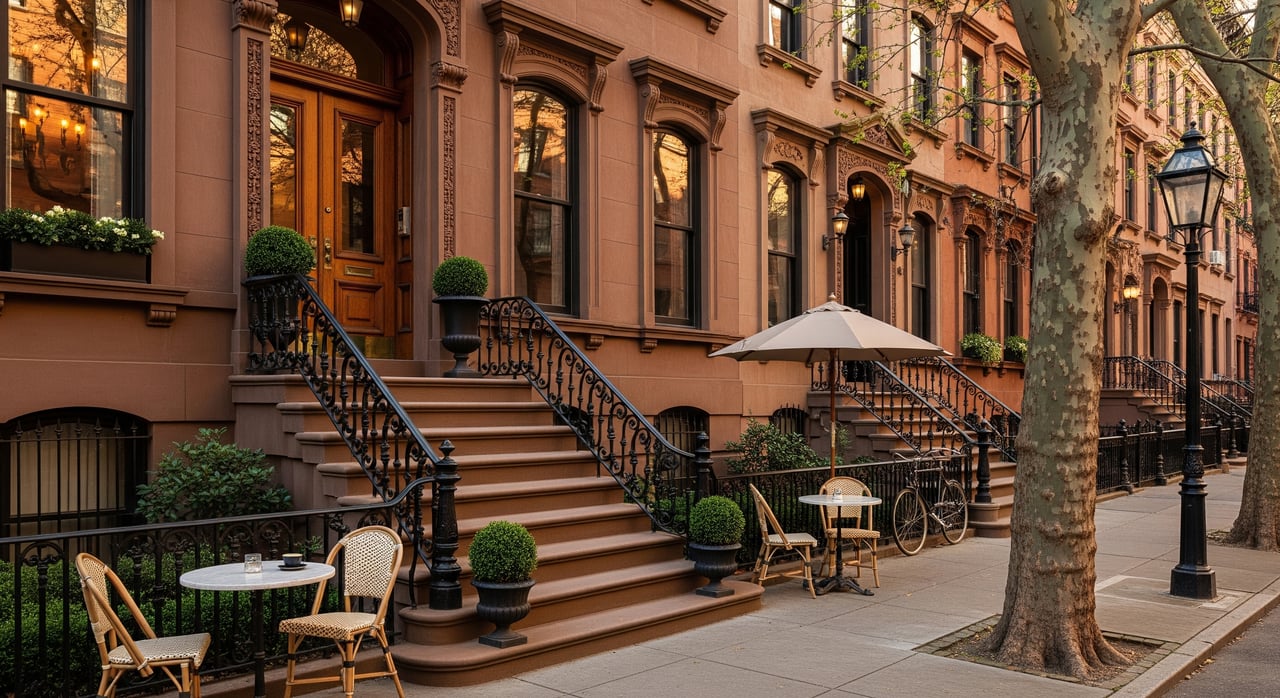
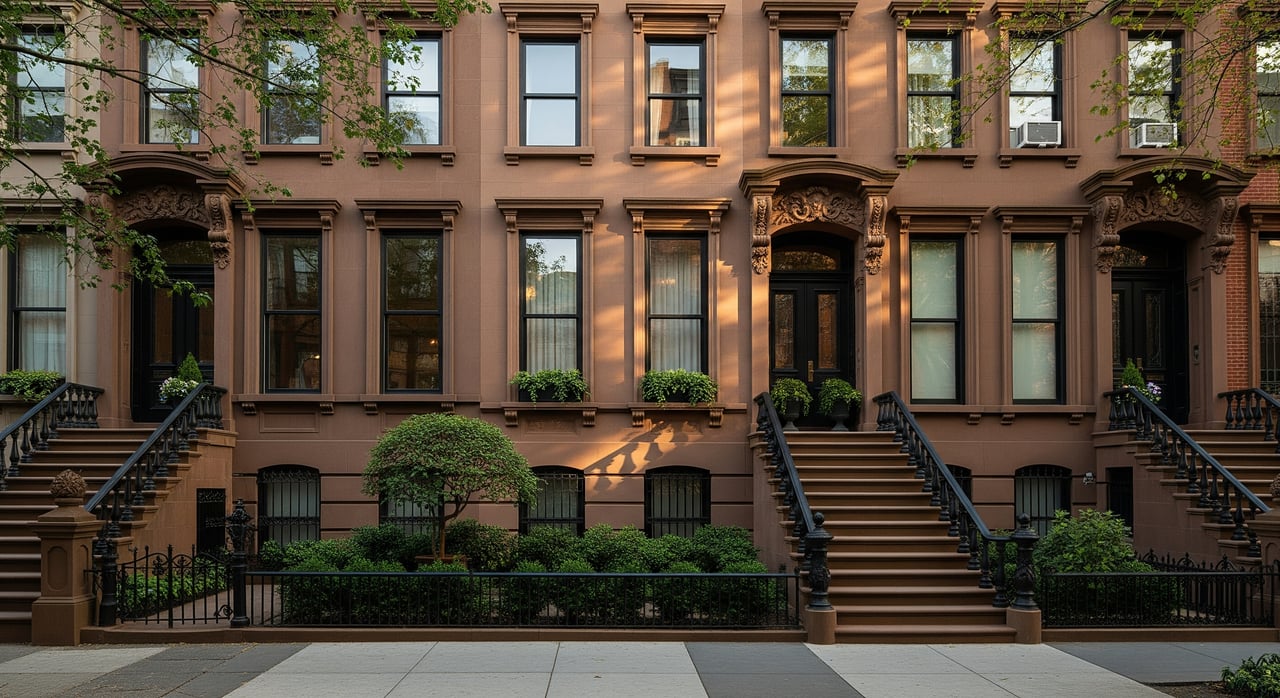
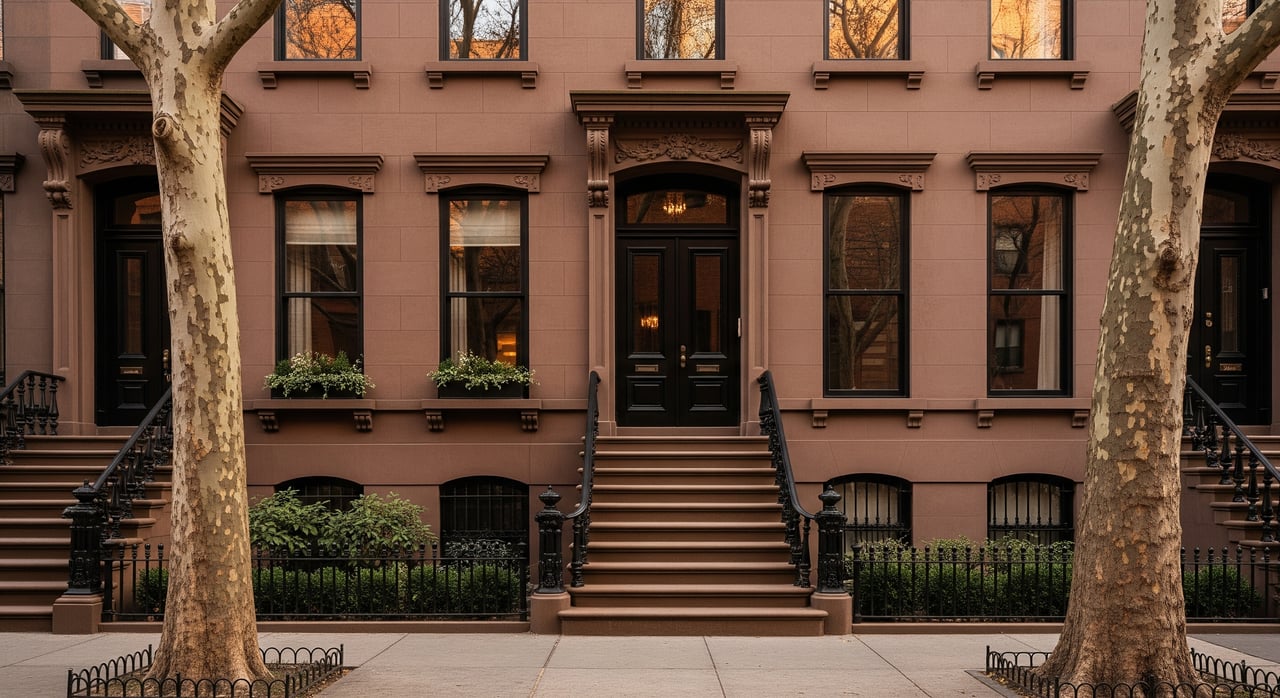
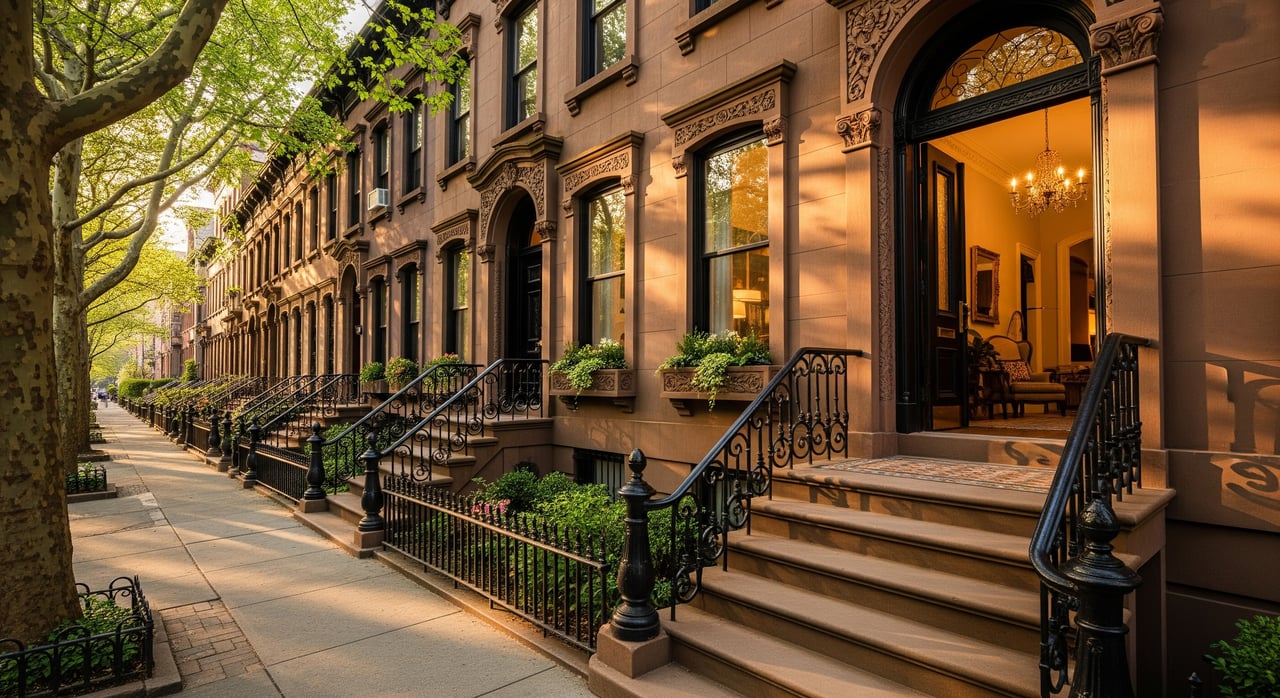
Crown Heights is defined by long runs of late‑19th and early‑20th‑century rowhouses and multifamily brownstones. You see brownstone, limestone, and red brick facades, often with restored railings and painted trim. Side streets feel calm and residential, while major avenues carry more energy and everyday errands.
Some blocks are part of landmark districts, so facades and details feel more consistent. You notice stoop plants, wrought‑iron railings, and mosaic entryways. This “stoop culture” creates a friendly, lived‑in backdrop that appeals if you care about materials and curb appeal.
Commuters stream toward the subway as bakeries and cafes fill with takeout lines. You see dog walks, strollers, and people catching a quiet moment on their stoops. Side streets stay mellow compared with the busier commercial corridors.
Cafes double as workspaces, and playgrounds fill with caregivers and small children. The Brooklyn Museum, Brooklyn Botanic Garden, and nearby children’s museum bring weekday foot traffic that spills onto surrounding blocks.
Dinner crowds gather along main corridors, and outdoor seating pops up in warmer months. Prospect Park and the museum area draw visitors for runs, concerts, and informal meetups. Weekends feel active yet grounded in local routine.
Eastern Parkway hosts major events that reshape the neighborhood for a day. The West Indian American Day Carnival in early September is the most notable example, bringing large crowds and street closures along the parkway.
Prospect Park anchors the western edge, with running paths, dog areas, and seasonal programming. The Brooklyn Museum and Brooklyn Botanic Garden sit along Eastern Parkway, offering exhibitions, evening events, and year‑round inspiration. Within the neighborhood, the Brooklyn Children’s Museum and the Weeksville Heritage Center add local programming and community events. The Chabad/Lubavitch center at 770 Eastern Parkway serves as a cultural and religious landmark that shapes daily rhythms on nearby blocks.
Independent cafes and neighborhood bakeries cluster near transit nodes and along main avenues. Interiors often feature exposed brick, reclaimed wood, and banquette or window seating. Specialty coffee and seasonal, locally minded menus are common in newer spots.
You also find Caribbean groceries, delis, and niche design or home shops in small clusters. Farmers markets near Prospect Park and Grand Army Plaza add a weekend ritual for produce and outdoor browsing.
Housing options range from brownstone rowhouses and prewar walk‑ups to larger prewar apartment buildings and newer condos. Many design‑minded renters and buyers favor floor‑through apartments, parlor floors, and garden units with outdoor space.
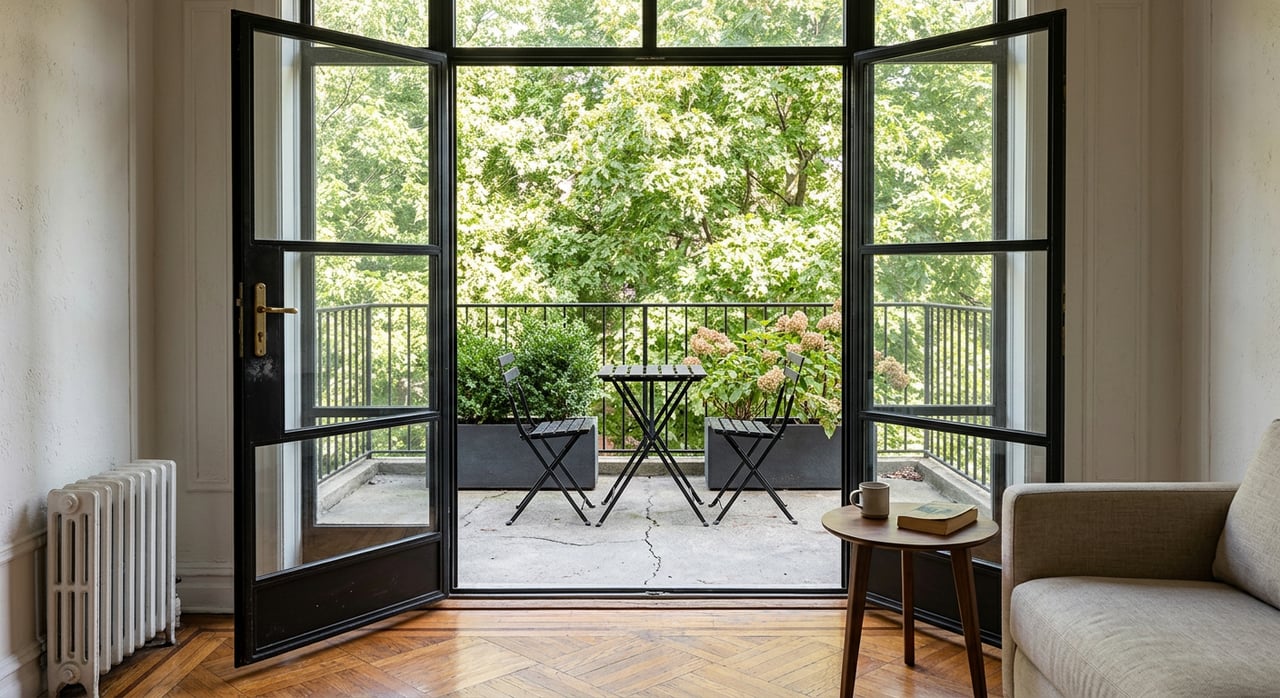
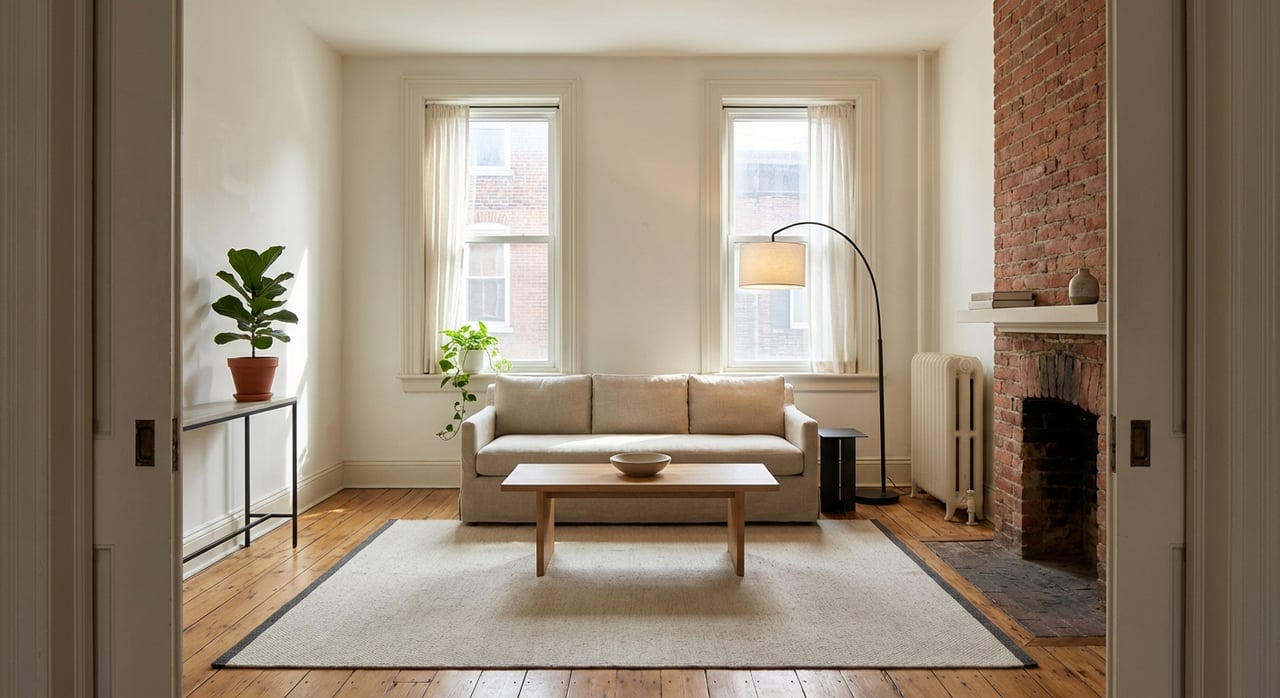
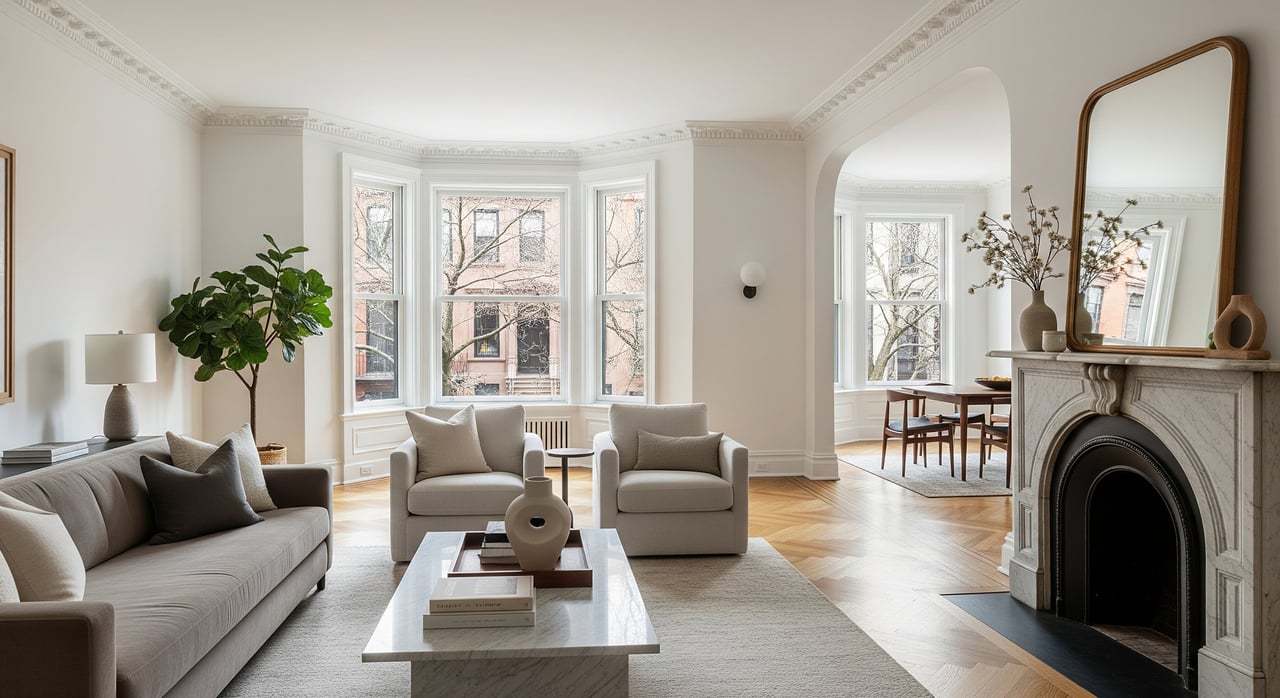
Expect tall windows, hardwood floors, and ceiling heights that can reach 10 to 12 feet in some brownstones. Many older units benefit from kitchen and bath updates. Common renovation moves include opening the kitchen where structure allows, restoring original trim, exposing brick, and adding modern systems like HVAC or a washer/dryer.
Plan for constraints. Older buildings may have aging plumbing or electrical, and upgrades often require permits from the NYC Department of Buildings. Exterior changes on landmarked blocks, including stoop repairs, windows, and visible masonry work, typically require approval from the NYC Landmarks Preservation Commission. Interior work is usually not regulated unless it affects protected spaces, but always verify your block’s status.
Co‑ops are common in older buildings, with board approvals and monthly maintenance. Condos often come with simpler approvals but can be pricier per square foot. Townhouses and small multifamily properties add options for buyers who want space or flexibility.
Use this quick list to make smart, design‑forward choices:
Crown Heights is well connected by several subway lines and bus routes. Depending on your block and destination, typical rides to parts of Manhattan range from about 25 to 45 minutes. Transit options vary by exact location, so factor station proximity into your search.
The neighborhood is highly walkable in many sections, with cafes and daily errands close by. Bike lanes and Citi Bike docks are common near the park, museum, and main corridors. Street parking is limited in many areas, so many residents choose car‑free living or use car services when needed.
Grocery options include small markets, specialty stores, and regional supermarkets, with weekend access to farm stands near the park. Families appreciate proximity to parks and cultural institutions. Childcare and preschool availability varies, so plan ahead.
These zones blend into each other block by block. Walk a few streets in every direction to test the exact vibe you want.
Start with a quiet cafe breakfast. Walk a brownstone block toward Eastern Parkway and step into the Brooklyn Museum or stroll the Brooklyn Botanic Garden. Head to Prospect Park for a run or a picnic. Wrap up with dinner along a nearby corridor where outdoor tables fill up in warmer months.
If you want a home that fits your design eye and your routines, you need more than a search filter. You need guidance on which blocks match your lifestyle, which buildings are co‑op or condo, and how to navigate LPC and DOB rules if you plan to renovate. I pair staging and storytelling expertise with neighborhood‑level insight to help you buy with confidence or sell for a premium result.
Ready to explore Crown Heights with a thoughtful plan? Connect with Tina Fallon to schedule a consult and start your neighborhood‑fit search.
Get assistance in determining current property value, crafting a competitive offer, writing and negotiating a contract, and much more. Contact me today so I can guide you through the buying and selling process.