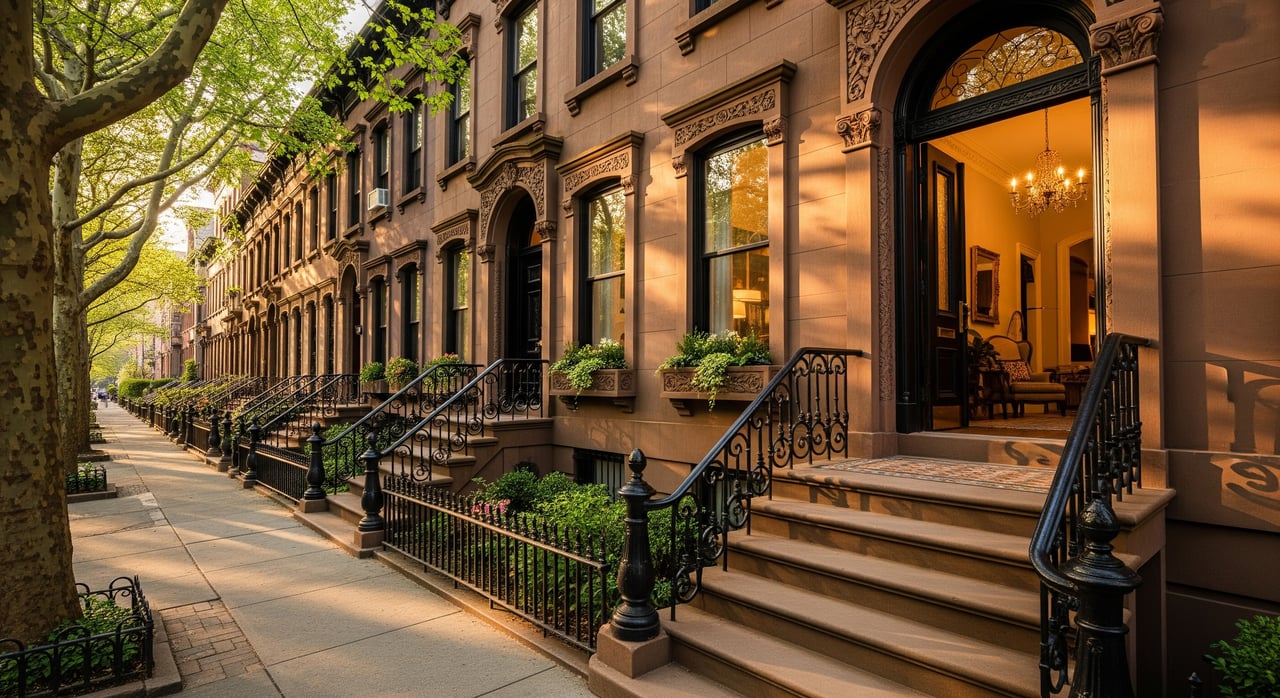
Pricing a Boerum Hill townhouse can feel like balancing art and science. You want to honor the home’s history and character while landing on a number that attracts serious buyers fast. With a clear framework, you can price with confidence and set yourself up for a smooth, successful sale. In this guide, you’ll learn how to evaluate width, facade, garden, interior condition, legal status, and comps, plus how staging and narrative marketing support a premium result. Let’s dive in.
Understand the Boerum Hill market
Boerum Hill is known for its 19th-century rowhouses, tree-lined blocks, and excellent transit access. Proximity to Downtown Brooklyn, Atlantic Terminal, and multiple subway lines drives demand across buyer types. Families often look for layout and backyard potential, while professionals prize easy commutes and flexible spaces.
Pricing is hyperlocal. Two houses a block apart can sell differently due to block character and light. Recent years have seen shifting demand, so you should always weight the most recent, relevant trades when setting your list price.
Use a proven pricing framework
A consistent framework keeps emotions out of pricing and lets you adjust fairly. Start with the big value drivers below, then layer in recent sales.
Width: the silent premium
- Wider houses are rarer in this neighborhood, especially 25 feet and above. Rarity typically commands a premium.
- Width shapes the floor plan and livability. Wider homes allow better room sizes, more natural light, and smoother circulation.
- Stratify comps by frontage bands, such as 18 to 20 feet, 21 to 25 feet, and 26 feet or more. Adjust upward when your home sits in a rarer width band.
Facade and curb appeal
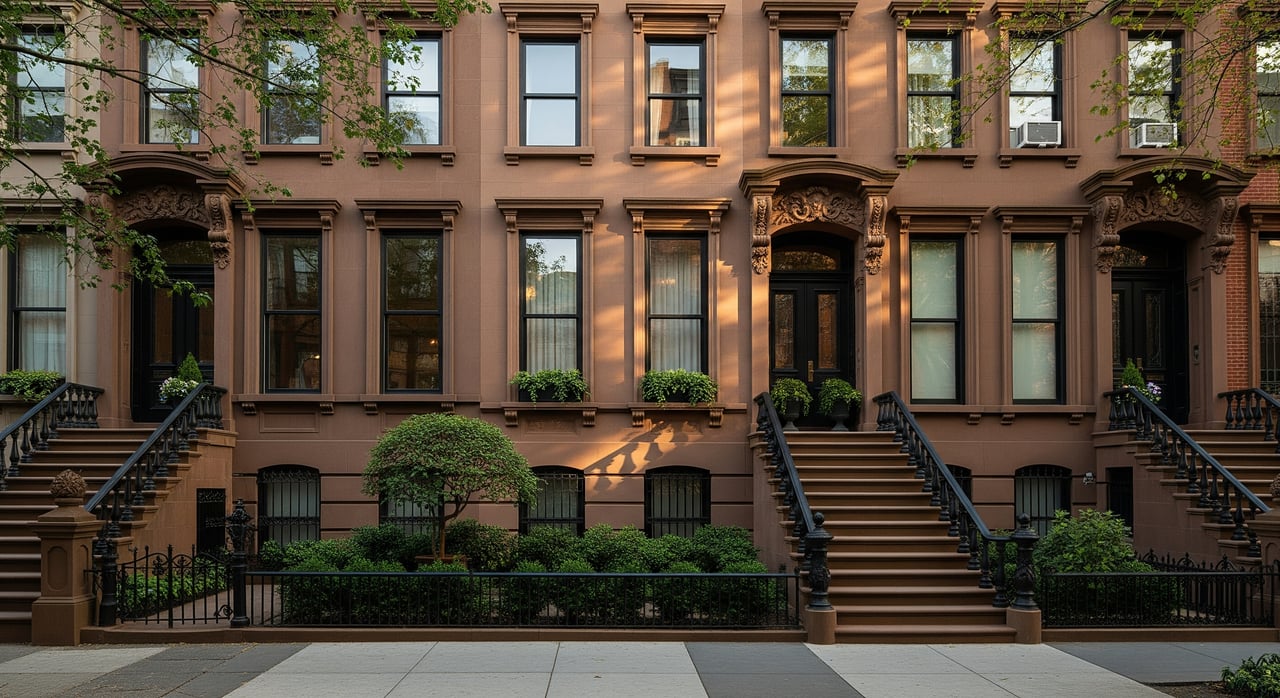
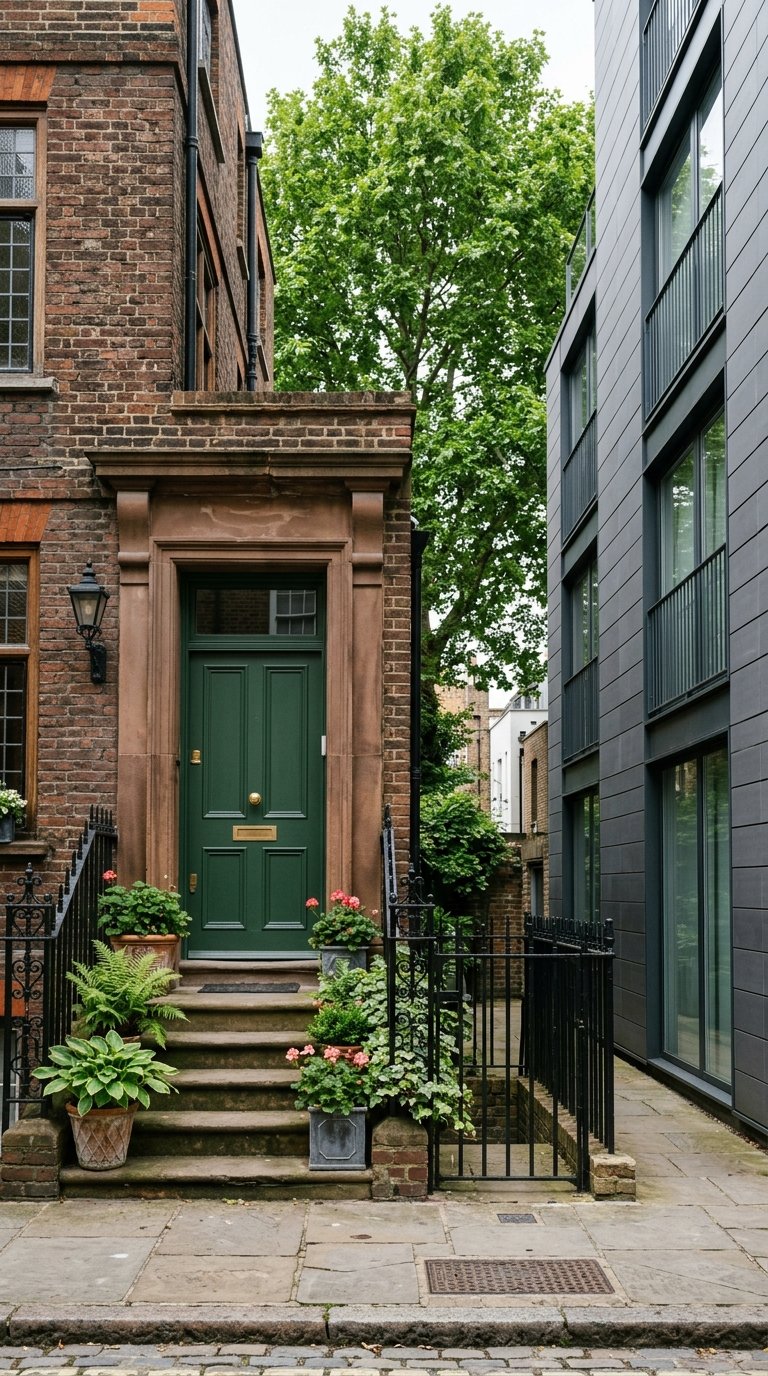
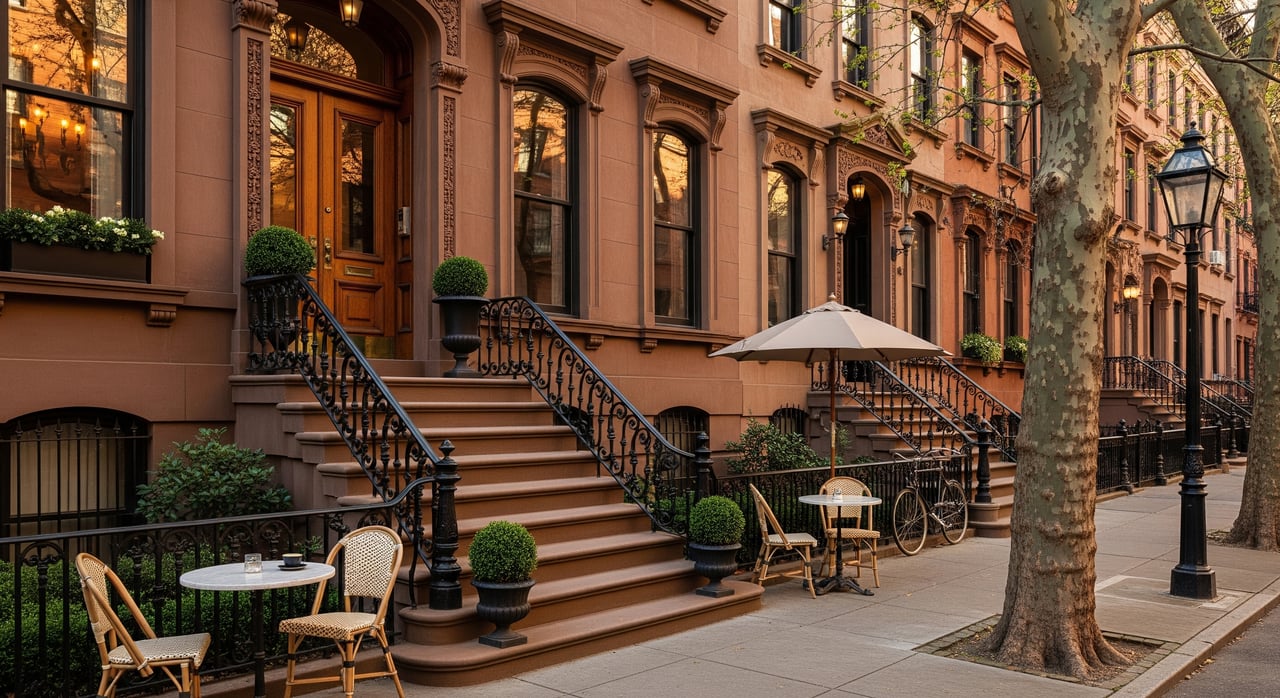
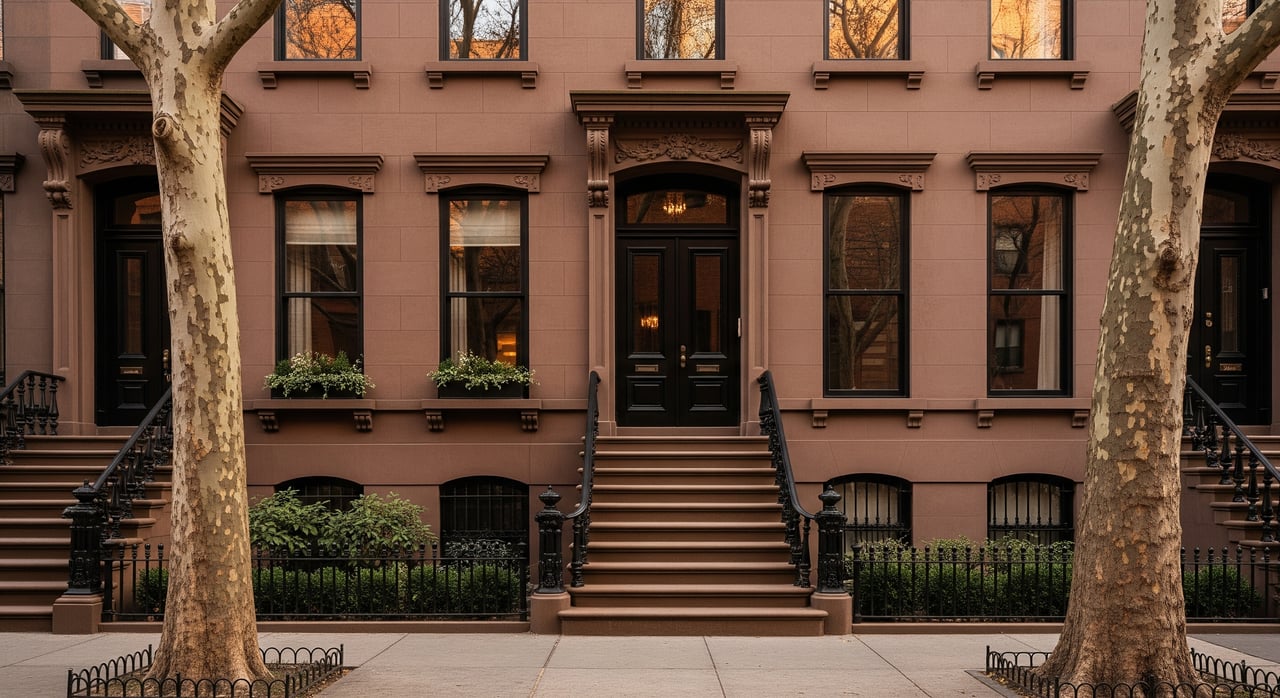
- Original details like stoops, cornices, and brownstone trim often support top-tier pricing by elevating buyer confidence and emotion.
- Mismatched or heavily altered facades can soften perceived value. Quality restoration and clear maintenance records help.
- If your block is in a historic district, Landmarks rules may influence exterior work. Buyers value authenticity, but also weigh added maintenance and timeline considerations.
Garden, outdoor space, and extensions
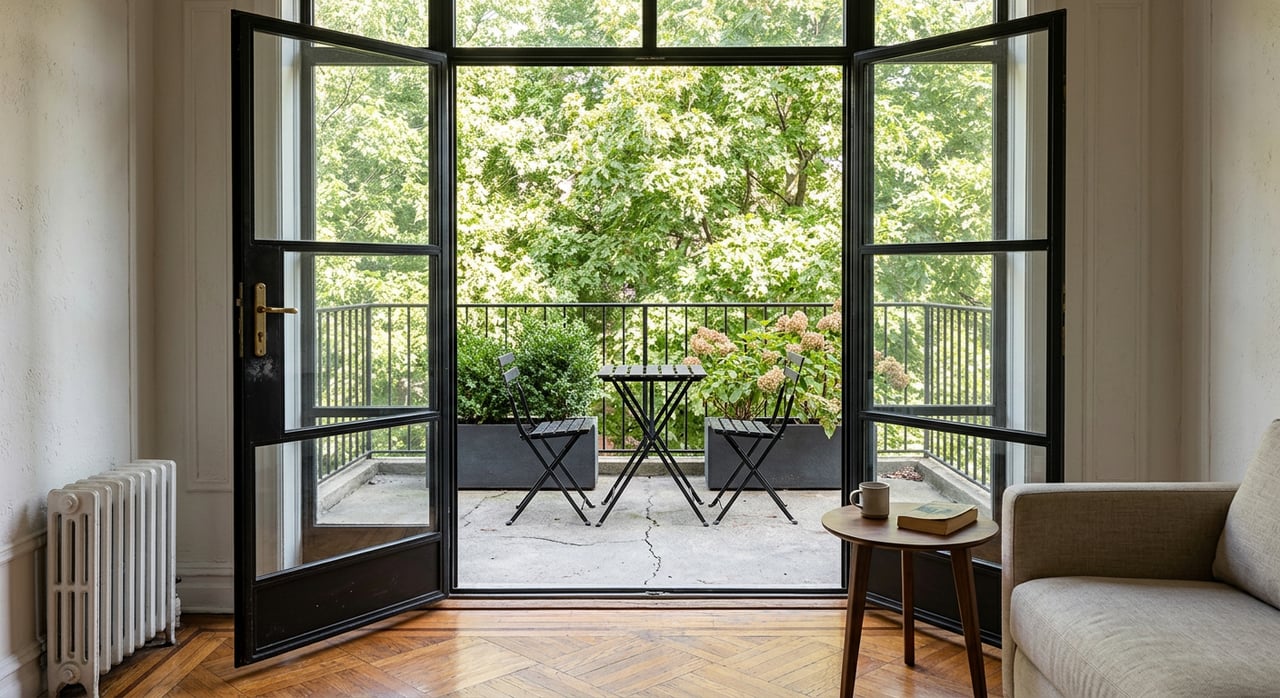
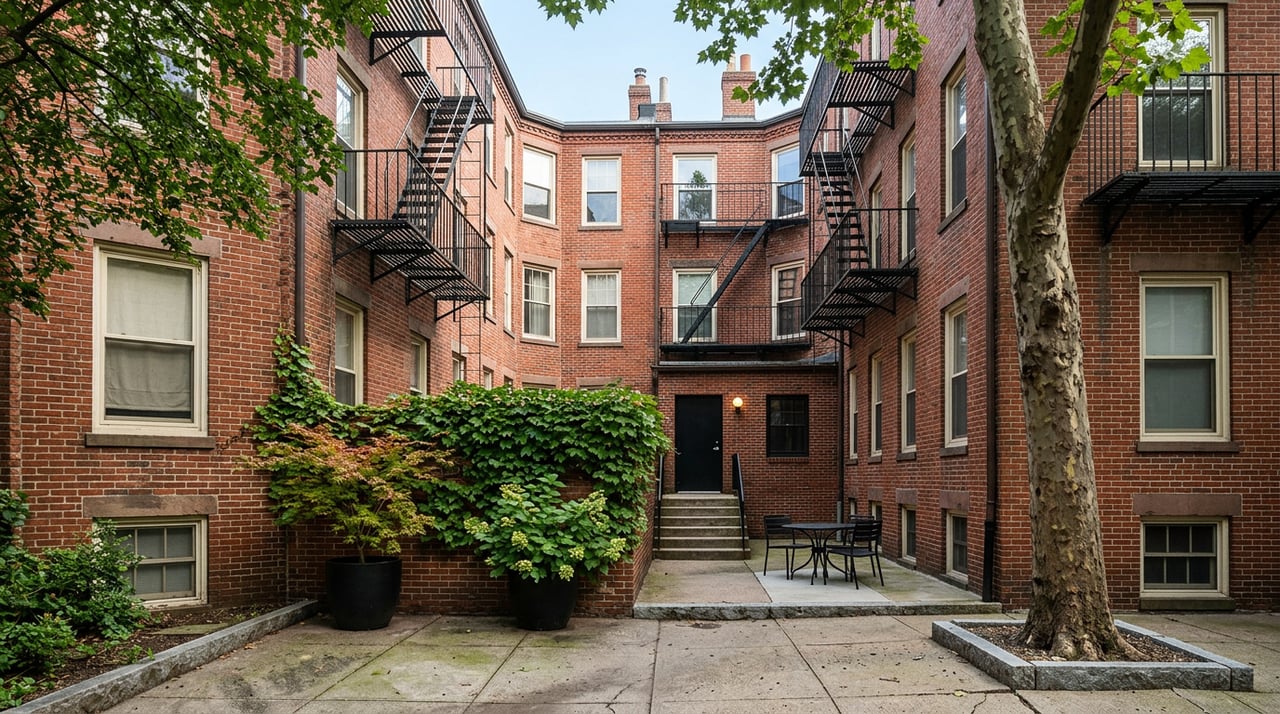
- Private outdoor space is a major value driver. Usable depth, sunlight, and simple upgrades like seating or planting help buyers picture daily life.
- Finished basements and legal garden apartments add usable space or income potential. Confirm legal status before pricing.
- Rear extensions should be legal and well integrated. Unpermitted work depresses value and can delay a sale.
Interior condition tiers
Classify your home and your comps in one of four tiers. Then compare within the same tier first.
- Tier A: Turn-key, high-end renovation with updated systems, high finishes, and professional presentation.
- Tier B: Updated and comfortable with recent kitchen or bath upgrades and sound systems.
- Tier C: Livable but dated with functional systems and clear cosmetic needs.
- Tier D: Needs major renovation due to deferred maintenance or system issues.
If you must use comps from a different tier, apply clear adjustments to price per usable square foot. Keep in mind that townhouse square footage can be tricky due to basements, ceiling heights, and irregular layouts.
Legal status and expansion potential
- Legal configuration matters. Single-family, multi-unit, or legal conversions each attract different buyers and price bands.
- Zoning, lot coverage, and FAR affect what you can add. Expansion potential creates embedded upside for buyers.
- Verify permits, Certificate of Occupancy, and any violations. Clear documentation builds trust and supports your ask.
Select and adjust the right comps
The sales-comparison approach is your primary method for pricing a Boerum Hill townhouse. Follow a tight, repeatable process.
How to choose comps
- Stay close. Prioritize the same block or an adjacent block with a similar row character.
- Keep it current. Aim for sales within the last 6 to 12 months. If the market is slow, extend to 18 months and weight the most recent trades more.
- Match key attributes. Compare frontage, lot depth, number of full stories, finished basement, bed and bath count, condition tier, outdoor space, and legal configuration.
How to adjust comps
- Width premium. Adjust upward for extra width when your subject is in a rarer band.
- Condition delta. Use tier-based adjustments when your home is superior or inferior to the comp.
- Legal clarity. Discount for unpermitted work or unclear legal status. Reward clear permits and a clean CO.
- Special features. Consider roof decks, side exposures, and unique layout wins that add real utility.
Use price per usable square foot only as a cross-check. Never let it override a strong apples-to-apples comp set.
Choose your pricing strategy
A smart list price is equal parts market proof and buyer psychology. Your goal is to anchor the home within a clear value band supported by comps and your home’s story.
- Identify your lead buyer. Family-focused, investor-minded, or executive commuter will shape your price band.
- Set a supported range. Present a documented range that reflects width, facade, garden, condition, and legal status.
- Plan your launch. Decide on a day-one strategy, showing flow, and what signals would trigger a price refinement.
- Communicate your why. Back your price with a short narrative and comp packet so buyers and their agents see the value.
Staging and story that sell
Townhouse purchases are emotional. Staging and narrative help buyers understand not just what the house is, but how it lives.
Staging that highlights width and flow
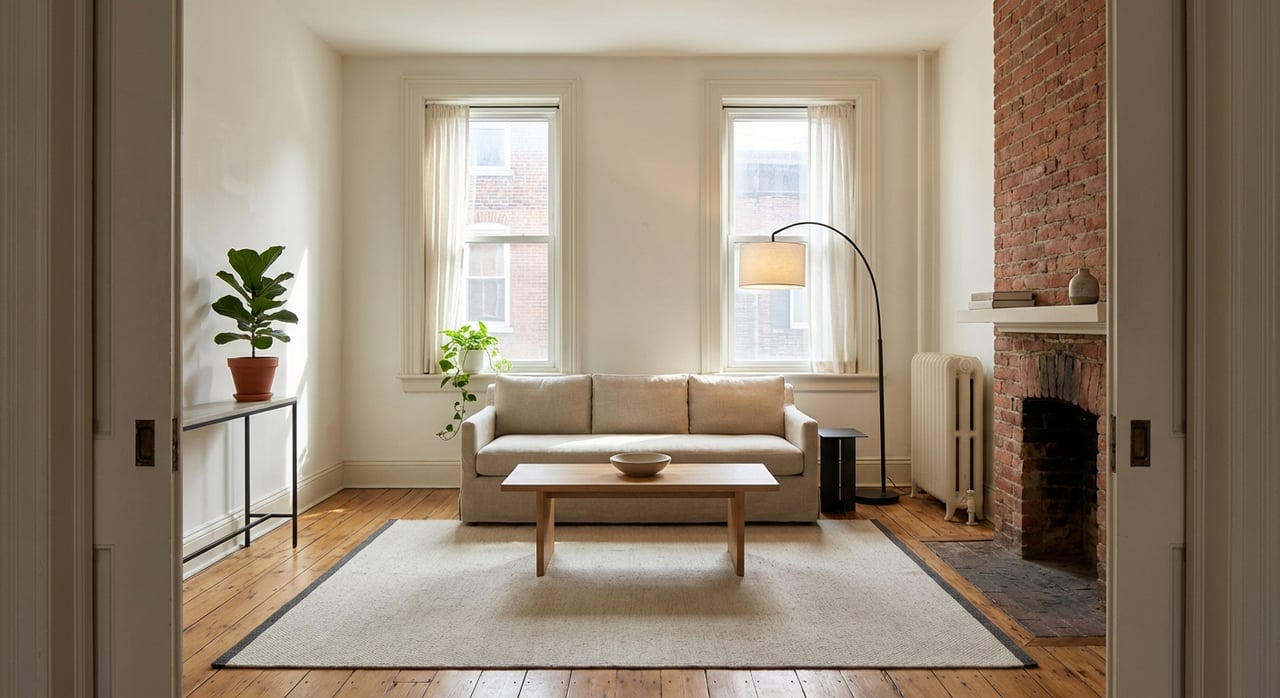
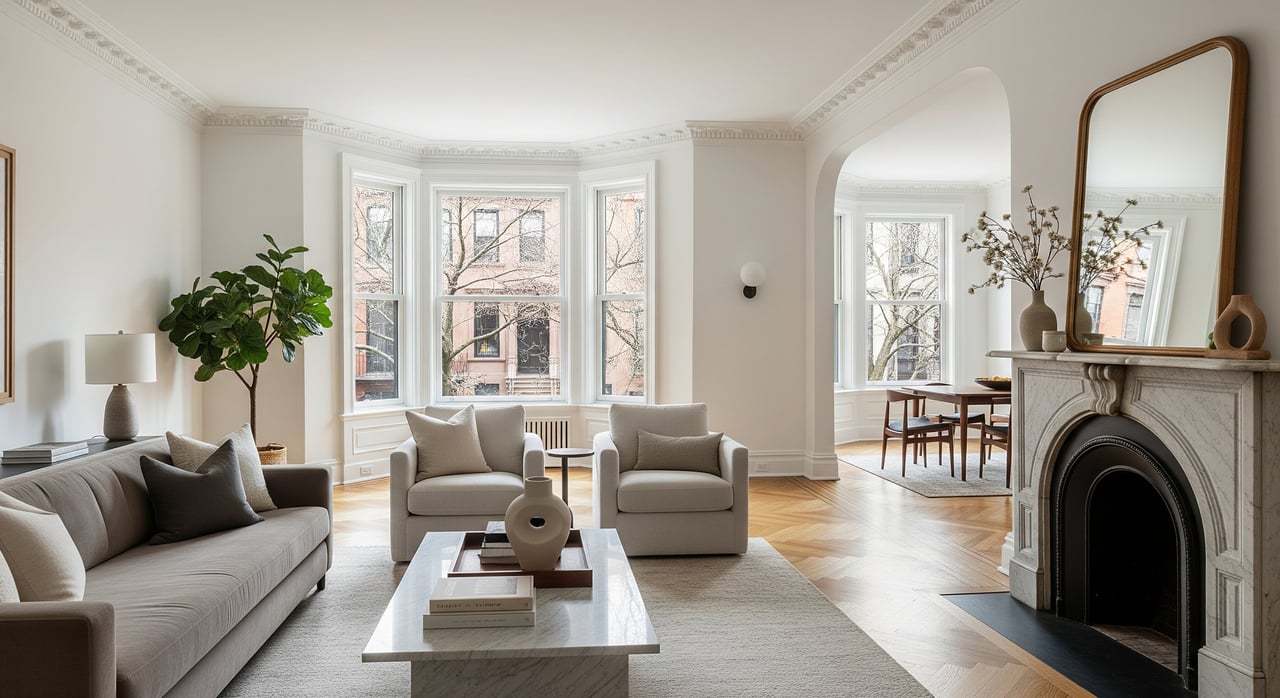
- Maximize visible width. Scale furniture to the room and lighten window treatments to reveal side exposures.
- Clarify function by floor. Show a real family room, WFH spaces, and an easy dining flow.
- Stage the garden. Create zones for dining, play, or gardening so outdoor square footage feels like an extension of the home.
- Define the basement. If finished and legal, stage it as a guest suite, playroom, or separate apartment so buyers do not guess.
Narrative marketing that supports a premium
- Lead with your unique selling points. That can be width, historic detail, private garden, a recent renovation, or legal income.
- Add lifestyle hooks. Highlight proximity to transit, parks, shopping, and cultural anchors. Keep school references neutral and factual.
- Show your proof. Use professional photos, floor plans, and where appropriate, before and after visuals that illustrate improvements.
- Be specific. Ground your narrative in recent local trades and facts rather than vague claims about being top of market.
Prep checklist for your pricing consult
Gather key documents and do a targeted walkthrough before you finalize pricing.
Property facts and documents
- Deed history and ACRIS printout
- Certificate of Occupancy and any DOB permits or violations
- Latest property tax bill and assessed value
- Zoning, lot dimensions, and a survey if available
Physical inspection notes
- Confirm frontage, lot depth, and number of full stories
- Photograph facade, stoop, roofline, and any notable details
- Evaluate basement or cellar condition and legal status
- Note garden depth, orientation, and usability
Comparable sales and market data
- Pull 5 to 10 nearby comps prioritized by width and condition tier
- Record sale dates, prices, and listing histories
- Flag outliers such as estate or off-market sales
- Check rental data if legal income is part of the story
Strategy decisions
- Target buyer profile and lead pricing band
- Pre-list repairs and staging with estimated costs and ROI
- Recommended list price range and fallback price
- Marketing plan highlights such as photos, floor plans, and tours
Common pitfalls to avoid
- Overreliance on price per square foot. Townhouse layouts vary, so treat it as a cross-check only.
- Missing permits. Unpermitted work can shrink your buyer pool and reduce leverage.
- Ignoring block effects. Micro-location matters. Prioritize same-row comps when possible.
- Outdated comps. In a shifting market, weight the freshest trades more heavily.
- Poor documentation. Missing records on renovations or systems erode buyer confidence and price.
What working with a boutique expert looks like
You deserve a calm, organized process that elevates your home and protects your time. With a producer’s eye for staging and a local broker’s comp discipline, you can launch one-showing ready and negotiate from strength. The approach here pairs a clear valuation framework with production-grade presentation so your Boerum Hill townhouse stands out.
If you want a tailored consult, pre-list prep plan, and a supported price range for your home, connect with Tina Fallon. Get your instant home valuation, then let’s refine it with on-the-ground comps and a staging plan that earns attention.
FAQs
How do I weigh width when pricing a Boerum Hill townhouse?
- Start by grouping comps into frontage bands and adjust upward when your home is wider than the most common stock on nearby blocks.
What interior condition tier is my townhouse in and why does it matter?
- Place your home in Tier A through D based on renovation level and systems, then compare primarily to comps in the same tier for a fair, supported price.
How should I use price per square foot for a Brooklyn townhouse?
- Treat price per usable square foot as a quick check, not a decision-maker, since basements, ceiling heights, and layouts vary widely in townhouses.
Does a legal garden apartment change my pricing strategy?
- Yes, a legal, documented unit can widen your buyer pool and support a higher price, especially when income potential is clear and permits are in order.
What documents should I gather before a pricing consult in Boerum Hill?
- Collect your deed and ACRIS record, CO and DOB permits or violations, tax bill, zoning and lot dimensions, and any renovation or systems documentation.
How much should I invest in staging before listing?
- Focus on high-ROI items such as decluttering, paint, lighting, and outdoor zones; go deeper only if the expected price lift exceeds the cost and time.