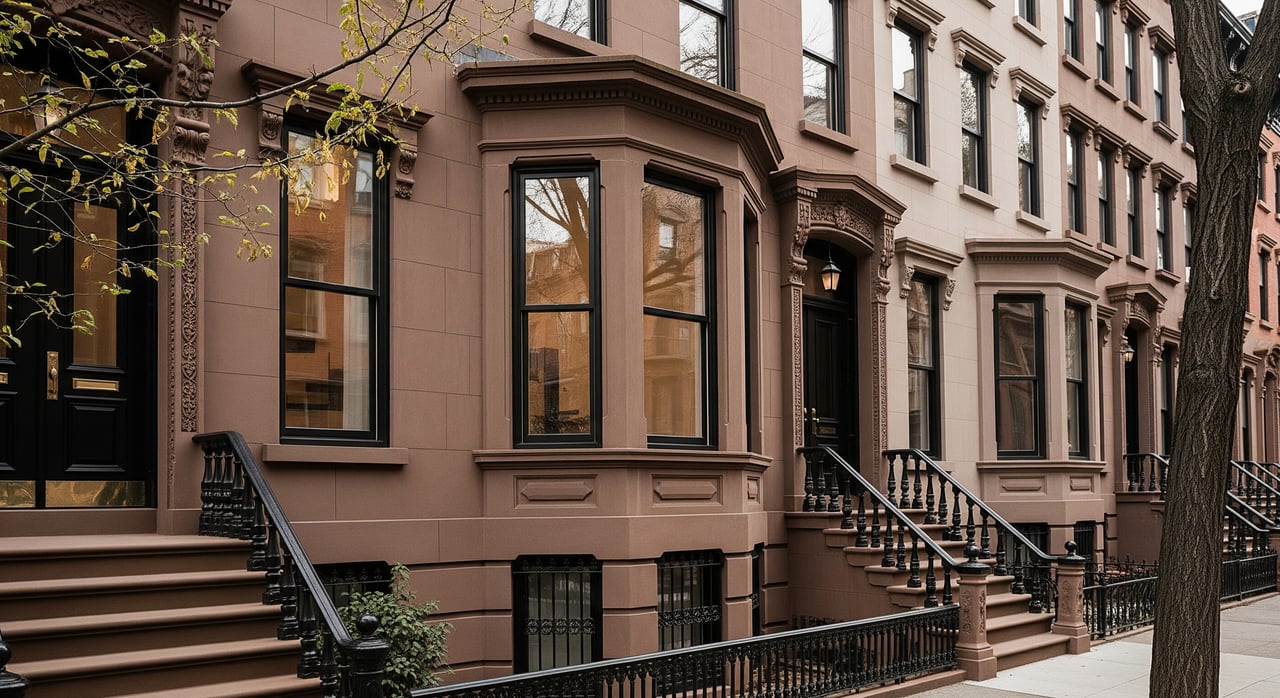
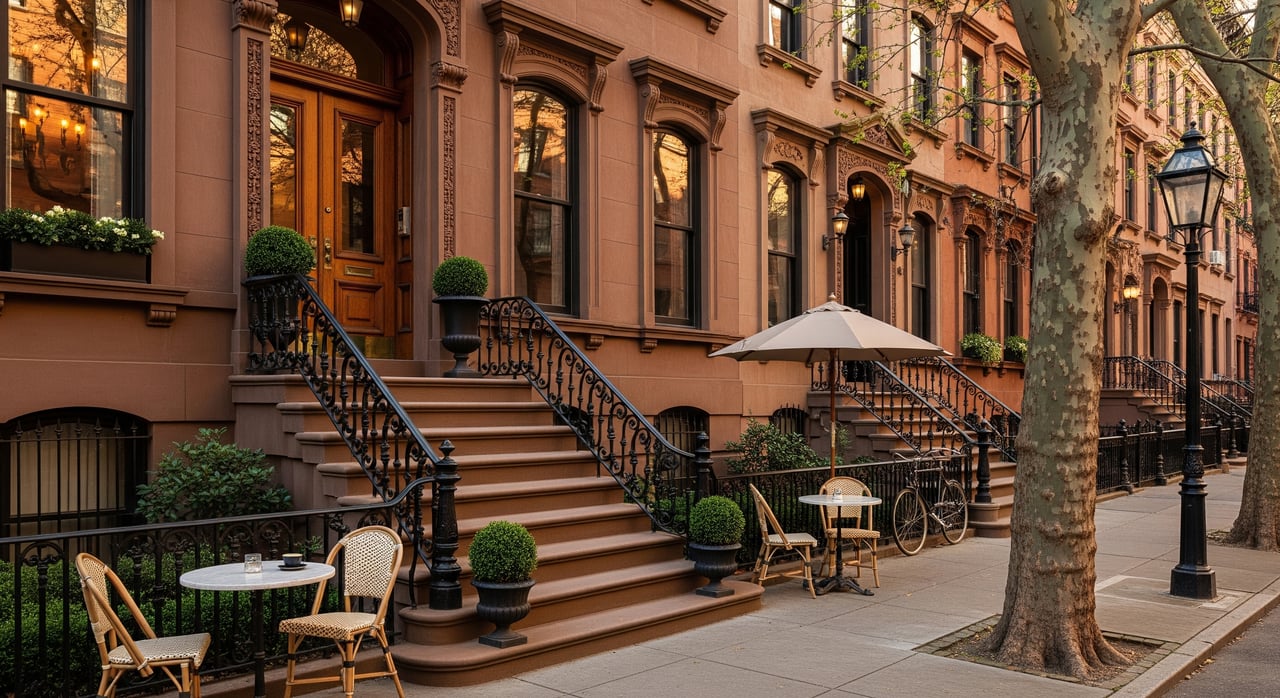
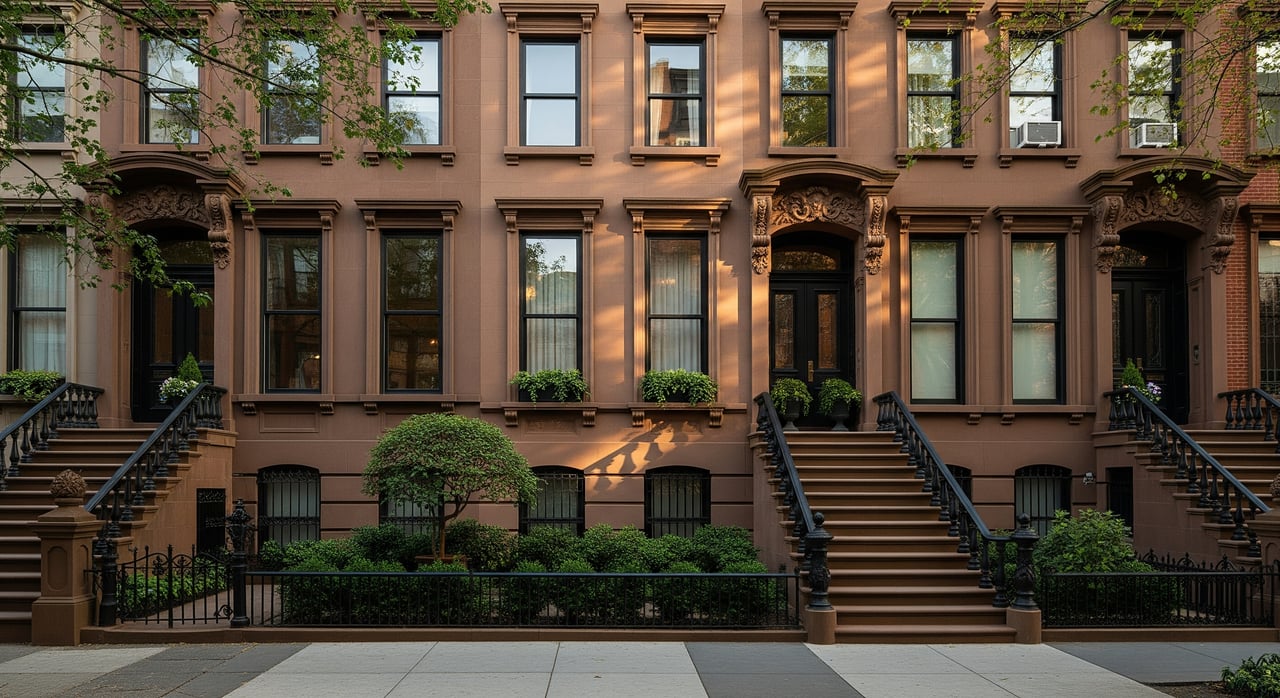
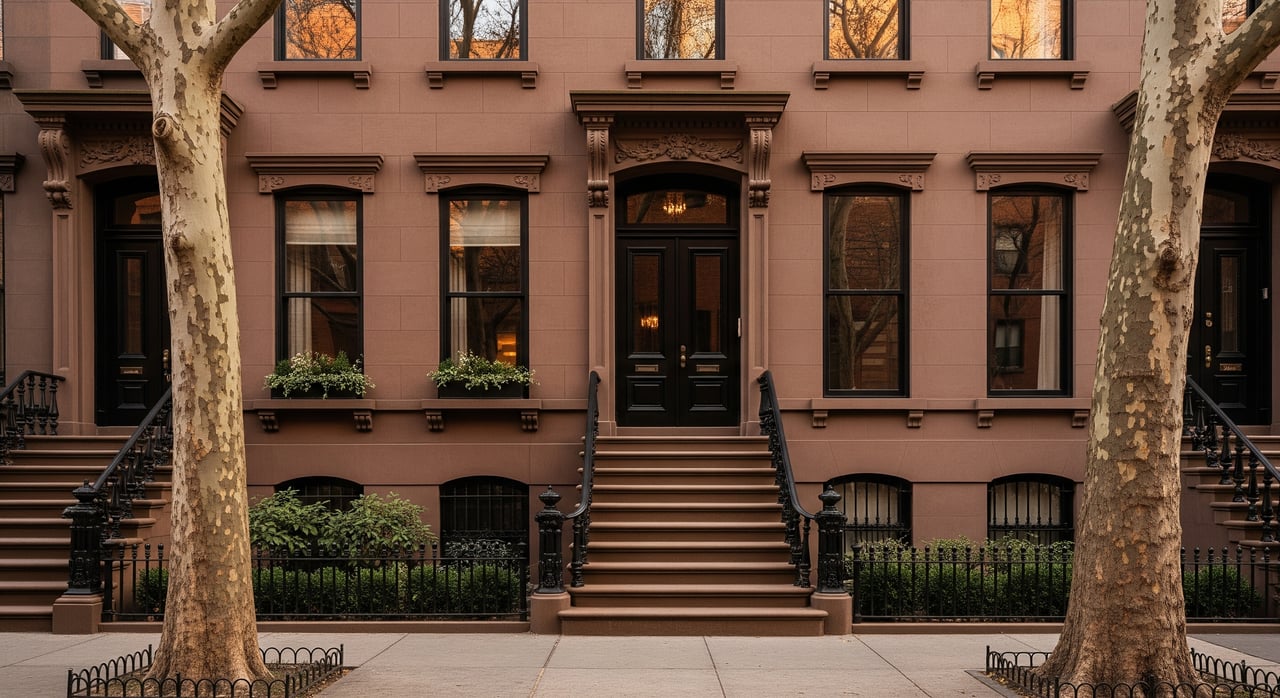
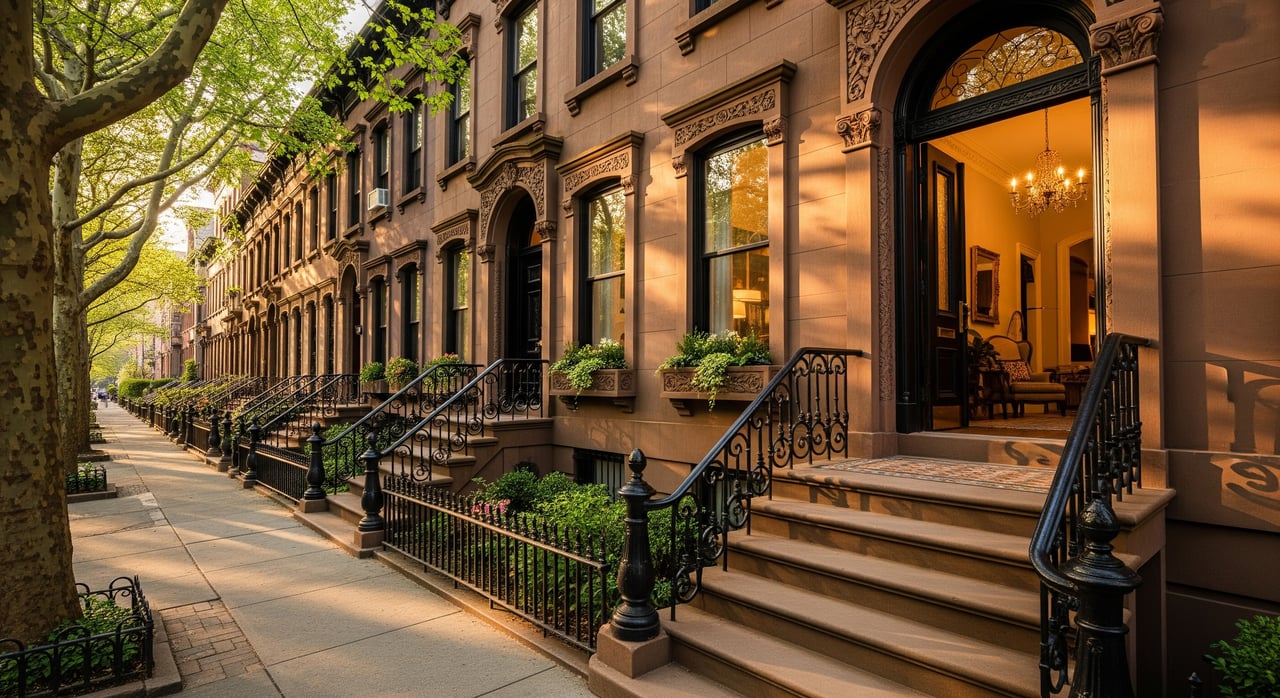
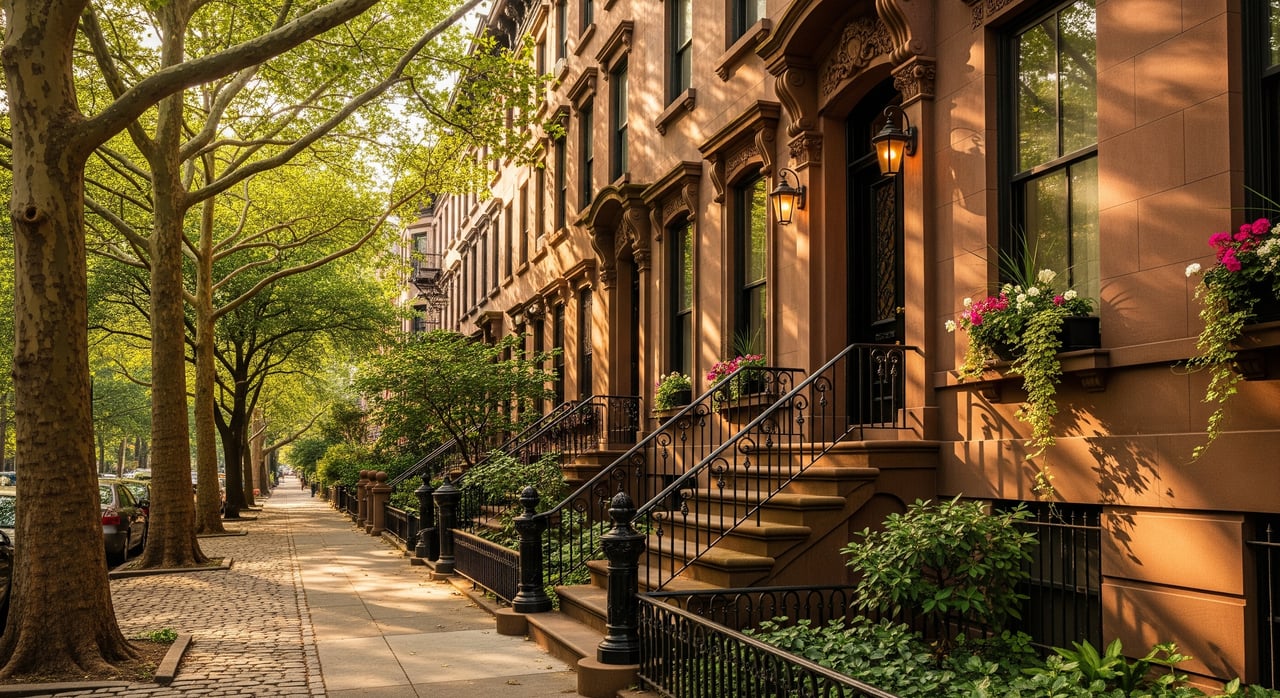
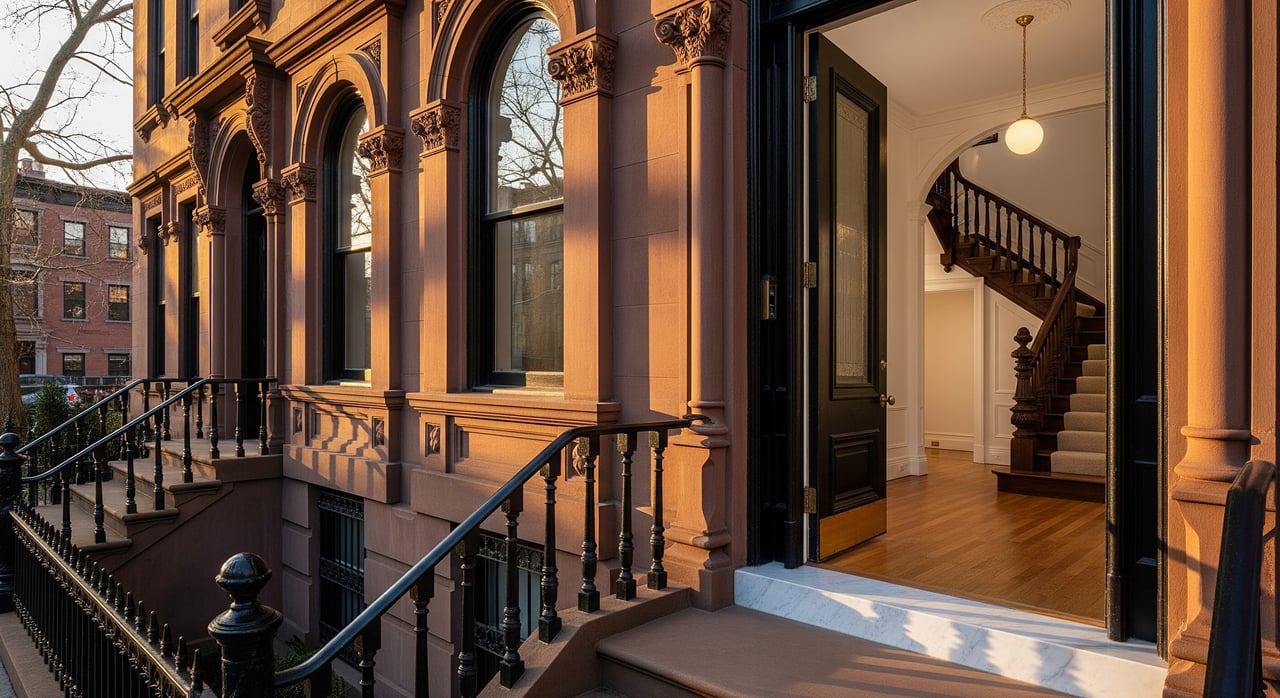
If your Crown Heights North windows need love, the last thing you want is a paperwork spiral. You want warmth in winter, quieter rooms, and a clean façade without neighbor drama or delays. The good news is that many window projects on landmarked blocks can move fast when you match the Landmarks Preservation Commission’s expectations. In this guide, you’ll learn what typically qualifies for staff approval, how to assemble a clean submittal, and the design choices that keep projects on track. Let’s dive in.
Know the rules in Crown Heights North
If your building is in a Crown Heights North historic district, exterior work that is visible from a public way falls under LPC review. That includes street-facing windows and any side or rear windows that can be seen from the sidewalk or another public thoroughfare. Interior-only work is generally outside LPC’s scope unless it alters visible exterior components.
When LPC reviews window work
- Certificate of No Effect (CNE): Staff can approve work that has no effect on protected exterior features visible from a public way.
- Certificate of Appropriateness: Needed when work will change exterior features. Many routine replacements can still be handled at staff level, but some projects go to a public hearing.
- Pre-application consults: You can share photos and a one-page scope with staff before a formal submission to confirm the right path.
What gets a fast yes
LPC’s core test for a CNE is simple: will the work have no visual effect on protected features from a public way. These scopes commonly move fastest:
- In-kind repairs and maintenance. Reglazing, wood sash repairs, and hardware fixes that keep the same material, profile, and finish.
- Repainting or re-staining in the same color. Routine surface maintenance that does not alter the visible appearance.
- Interior storm windows. Not visible from the street, with the original sash left intact and visible.
- Replacement in kind. When windows are beyond repair and the new units match the original material, profiles, muntin pattern, sightlines, operation, and finish.
- Temporary, non-structural items. Only when easily removed and not altering historic fabric.
Staff always makes the final call, but the closer you are to true in-kind work, the smoother the review.
What triggers a hearing
If your proposal changes what the street sees, expect a deeper review and sometimes a public hearing. Common red flags include:
- Replacing historic wood windows with visible aluminum or vinyl that changes profiles or sightlines.
- Altering the size, shape, or number of openings. Enlarging, closing, or adding new windows is rarely a CNE.
- Changing configurations. Removing transoms, altering glazing patterns, or trimming decorative elements.
- Adding visible penetrations or louvers for mechanicals.
If any of these apply, build extra time into your schedule and consider a pre-application meeting.
Your fastest path to a CNE
Start by framing your project around the “no effect” standard. The more you show that the exterior appearance will read the same from the street, the faster staff can decide.
- Lead with in-kind materials and configurations. Matching wood sash and historic profiles usually approve faster than modern alternatives.
- Keep finishes familiar. Painted finishes that match the existing streetscape are easier than raw or reflective metals.
- Consider interior storm panels to hit energy goals while keeping historic sash in place.
- If performance is a priority, present options that preserve exterior appearance, like slim-profile storms or high-performance restoration glass.
Smart design choices staff often approve
- Replicate sightlines. Profiles, muntin dimensions, and sash depth should match what is there.
- Confirm operation. If the original window is double-hung, propose double-hung unless you have a strong reason otherwise.
- Stay consistent across a façade. A single oddball unit can slow an otherwise clean submittal.
The submittal packet that wins
Make it simple for staff to see your project’s impact. Clear, complete packages get faster outcomes.
Include the following:
- Application and authorization. Use the LPC system and include owner sign-off.
- Existing-condition photos.
- Full façade and the block context to show how the building sits among neighbors.
- Close-ups of each window to be repaired or replaced, interior and exterior.
- Wide shots from the sidewalk to prove what is visible from a public way.
- Proposed-condition drawings.
- Existing and proposed elevations at a clear scale.
- Window sections showing glazing, muntin profiles, sash depth, and jamb details for any replacement.
- A window schedule listing each opening, dimensions, and the proposed treatment.
- Product literature and cut sheets.
- Frame material, sightline dimensions, profile drawings, glazing, and finish.
- For custom replication, include shop drawings or sample sections.
- Scope-of-work narrative.
- A one-page summary stating existing conditions, the repair-or-replace decision, and exactly how the proposal matches existing material, profiles, and color.
- If you are claiming in-kind, call out the unchanged attributes like sightline, depth, muntin size, and operation.
- Permit and team information.
- Your DOB application number if filed or planned. Note that LPC approval is separate.
- Names and contacts for your contractor or architect.
- Historic documentation.
- Any archival photos that show the original window profiles can help justify a faithful replacement.
- Samples or mock-ups.
- Offer to provide a field mock-up or sample if staff requests it.
Photo tips that prove visibility
- Take eye-level shots from the sidewalk directly in front and at angles that match real pedestrian views.
- Include wide block photos to show context and potential screening by stoops, trees, or setbacks.
- If you believe a rear or side window is not visible, photograph from each relevant public way to demonstrate the line of sight.
Timeline and coordination
Staff-level CNE reviews are typically faster than hearings, but timing depends on workload and complexity. Build buffer time for questions and requests for additional information. After LPC approval, you still need to factor in DOB permitting and contractor scheduling.
A few practical moves keep things moving:
- Prepare a concise packet with labeled drawings and clear photos. Put the one-page scope and key cut sheets on top.
- Coordinate LPC and DOB in parallel where possible, but wait for LPC approval before any visible exterior work.
- Work with contractors experienced in LPC neighborhoods. Familiarity with profiles, joinery, and documentation avoids back-and-forth.
Common pitfalls to avoid
- Incomplete documentation. Missing profiles or context photos are the top reasons staff must ask for more.
- Unclear visibility. If you cannot prove what is visible from the street, staff cannot confirm the impact quickly.
- Changing appearance without justification. Proposing new materials or configurations without a strong case slows review.
- Out-of-sequence permitting. Starting DOB processes without LPC alignment can trigger rework.
Quick prep list
Use this fast checklist before you file:
- Take comprehensive photos that show context, street views, and close-ups.
- Draft a one-page scope focused on the “no effect” rationale.
- Prepare existing and proposed elevations and detailed window sections.
- Gather manufacturer cut sheets or shop drawings for any replacement units.
- Document line of sight if you claim limited or no visibility from a public way.
- Submit through LPC’s online system and request a pre-application review if you are unsure.
- Coordinate with DOB plans, but hold exterior work until LPC approval is in hand.
Real-world scenarios to consider
- You want energy savings without changing the façade. Interior storm windows are often acceptable because they are not visible from the public way and they keep historic sash intact. Provide product specs and interior photos that show the installation will not alter exterior appearance.
- Your front windows are deteriorated. If they are beyond repair, replacement in kind is usually the fastest path. Match material, profiles, muntin patterns, sightlines, and finish. Include profile sections and a window schedule to show a one-to-one match.
- Rear windows you think are not visible. Take sidewalk photos from every potential vantage point that could see the rear elevation. If visibility is truly blocked, state it clearly and include the proof.
Crown Heights North, minus the drama
Window upgrades on a landmarked block do not have to be a saga. When you lead with in-kind design, document visibility from the street, and submit a tight packet, you make it easy for LPC staff to say yes. If you want a calm, design-forward plan for your home, we can help you set the right scope, line up the right vendors, and keep the process smooth.
Ready to talk strategy for your block and building type? Reach out to Fallon Collective for a consult that fits your timeline and goals.
FAQs
Do I need LPC approval for window work in Crown Heights North?
- If your building is in a designated historic district and the work changes exterior features visible from a public way, LPC review applies. Interior-only work is usually outside LPC scope unless it alters the exterior.
What is a Certificate of No Effect for windows?
- A CNE is staff approval for work that has no effect on protected exterior features visible from the street. In-kind repairs and identical replacements often qualify when fully documented.
Can I replace original wood windows with aluminum or vinyl?
- Often not if the change is visible from a public way. LPC generally expects replication of historic material and profiles when windows contribute to the streetscape.
Are interior storm windows acceptable in a historic district?
- Frequently yes, because they are not visible from the public way and the historic sash remains intact and visible. Include product specs and interior photos in your submittal.
How long does LPC staff review take for a CNE?
- Timelines vary with workload and complexity. Staff-level reviews are typically faster than hearings, but you should build in buffer time for questions and additional information.
Should I file with DOB before LPC approval for exterior changes?
- Coordinate in parallel if needed, but wait for LPC approval before any visible exterior work. Aligning the sequence avoids rework and delays.