Is now the right moment to put your Cobble Hill home on the market, or should you wait until spring or fall? If you want the best price with the least stress, timing matters as much as staging and pricing. You deserve a plan that aligns with buyer behavior, school calendars, and your property type. In this guide, you’ll compare pre-spring, peak spring, and early fall so you can list with confidence and capture strong offers. Let’s dive in.
Cobble Hill seasonality at a glance
Cobble Hill follows a familiar New York City pattern: spring brings the most buyers, early fall offers a second smaller wave, and winter is quieter. That cycle shapes how many showings you can expect, how much competition you face, and how you should prepare.
Spring brings peak demand
- More buyers are house hunting, which can translate to stronger competition and better pricing outcomes.
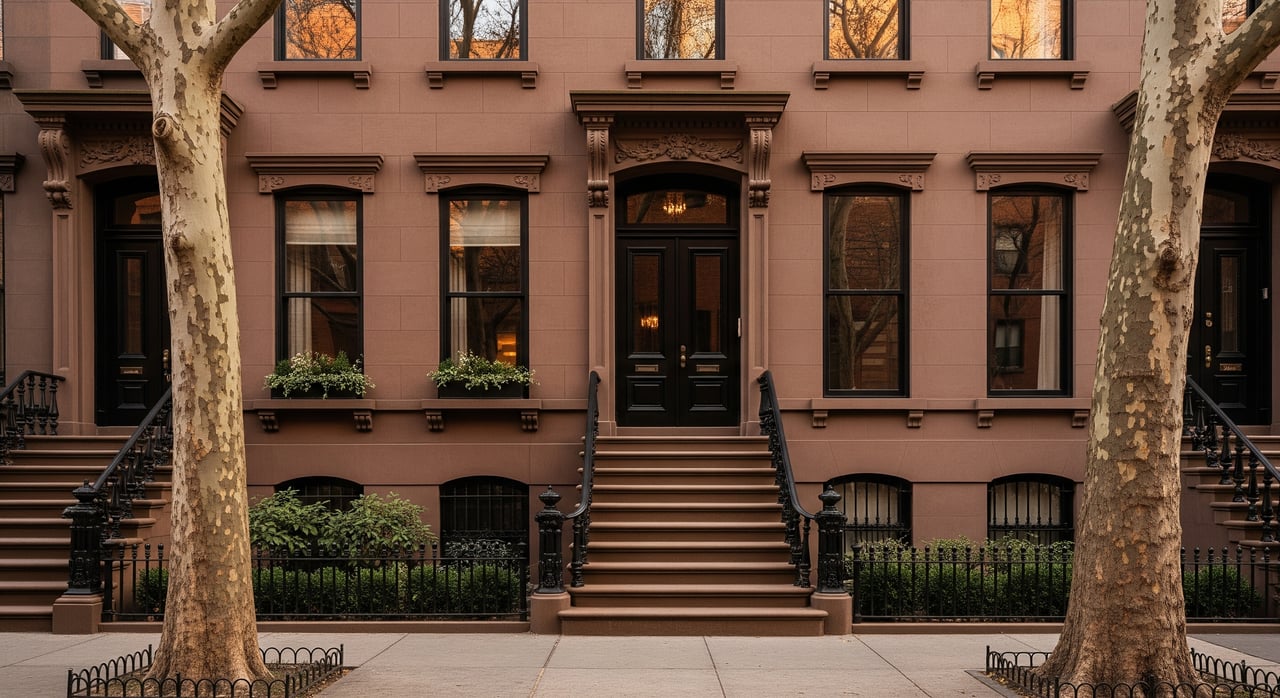
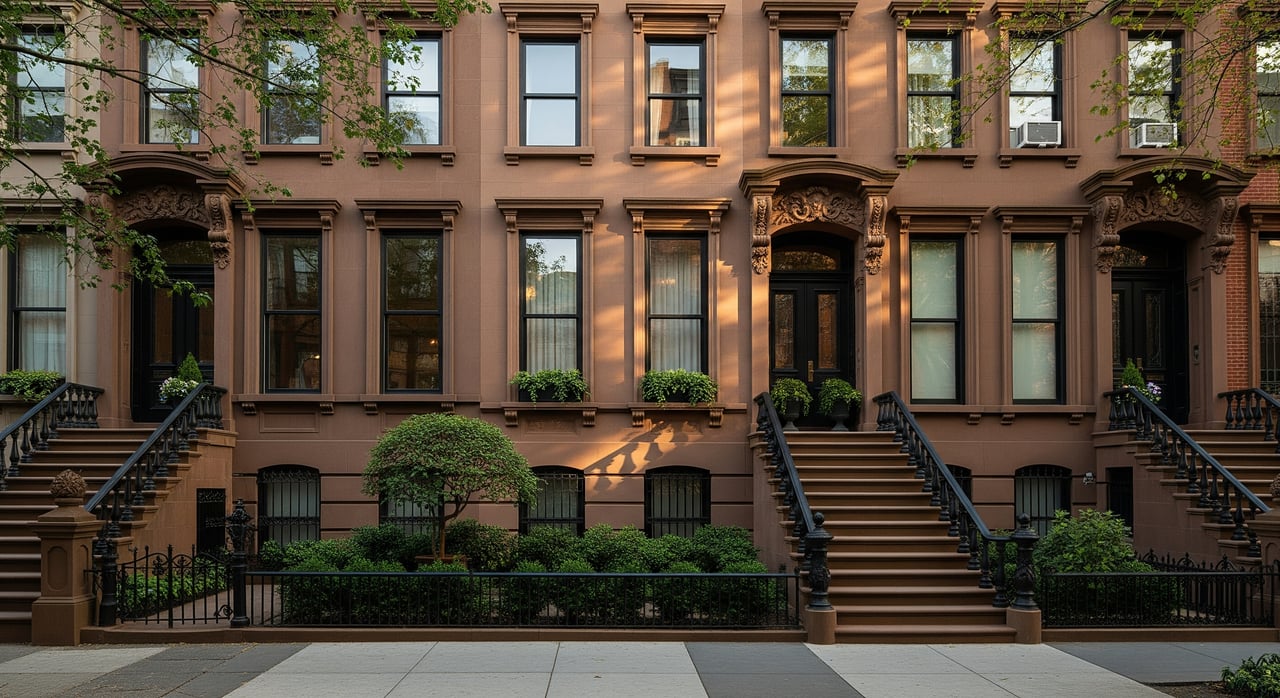
- Curb appeal improves as trees and gardens bloom, which helps photos and first impressions for brownstones and townhouses.
- Families often start their search in March through May so they can close and move over summer.
Why early fall works
- Buyers return from summer with fresh urgency, but there are usually fewer competing listings than in spring.
- Weather is still ideal for open houses and photography.
- Shoppers who paused in spring often re-enter the market with clear goals and lending in place.
When pre-spring shines
- January and February bring lower inventory, so a well-presented, well-priced home can stand out.
- Winter buyers tend to be serious, though overall foot traffic is lighter.
- Interior-focused staging and thoughtful pricing are key when curb appeal is limited by weather.
Who is buying and when
Different buyer segments move on different timelines. Aligning with their cycles can raise your odds of a quick, well-priced sale.
Families and school timing
- The New York City public school year typically runs September through June. Families often plan to move during summer to avoid mid-year transitions. You can review the NYC Department of Education’s calendar on the NYC Department of Education site.
- To enable a July or August move, many buyers aim to go under contract by late spring. That makes a spring listing especially strategic if your ideal buyer is family-focused.
Young professionals and couples
- These buyers are active year-round and are highly responsive to spring and early fall.
- Well-staged condos and co-ops can attract them in any season with the right pricing and marketing.
Investors and second-home buyers
- They are opportunistic and less tied to seasons, though overall momentum still peaks in spring and early fall.
Inventory cycles and competition
What to expect by season
- Winter: Lower inventory and fewer showings. A standout listing can benefit from less competition.
- Spring: More listings and more buyers. You’ll need high-impact presentation to rise above the crowd.
- Early fall: Good buyer activity with a bit less inventory than spring, which can balance competition and demand.
Pricing strategy by goal
- Maximize sale price: Use peak spring traffic. Pair competitive pricing with top-tier staging and photography.
- Minimize time on market: Consider pre-spring or early fall, and price decisively to meet the active buyer pool.
- Align with school schedules: Work backward from your desired move date and plan for contract by late spring or early summer.
Property type timing tips
Co-ops: plan for board approval
- Co-ops can add weeks for board packages and interviews, which affects closing timelines.
- If you want a summer closing, consider listing earlier in spring and prepare documents early to keep the process moving.
Condos: flexible and broad appeal
- Condos often appeal to a wider buyer pool and may close more quickly than co-ops.
- Spring or early fall can both work well, with strong results when presentation is dialed in.
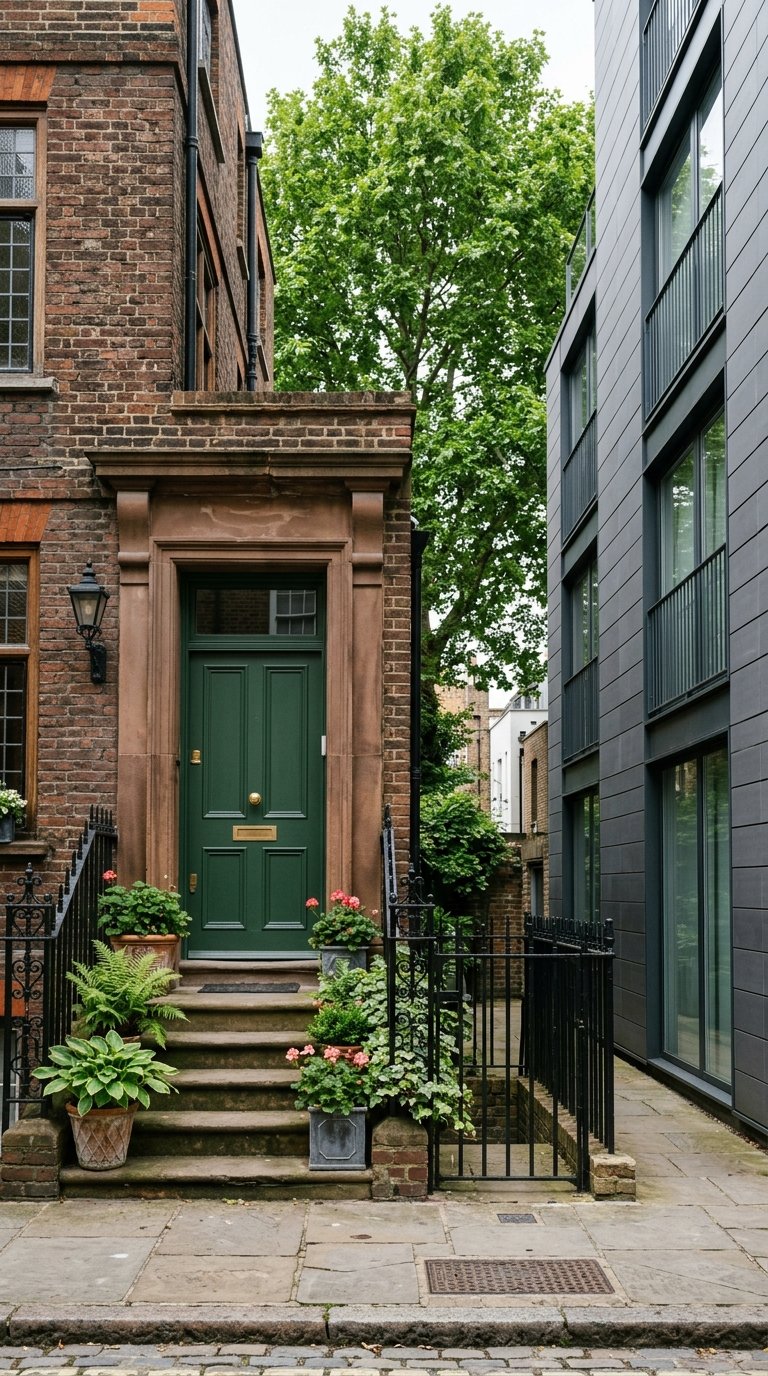
Brownstones and townhouses: curb appeal seasons
- These homes benefit most from spring bloom and autumn light.
- Unique features can drive premium results any time with the right storytelling and staging, but visuals matter most in spring and early fall.
Work backward from your move date
Typical NYC timeline
- Listing to contract: Often 2 to 8 weeks, faster in spring, longer in winter.
- Contract to closing: Commonly 30 to 60 days. Co-ops may take longer due to board approvals.
Targeted timelines
- Move by July or August: Target under contract by May or early June. List in March or April.
- Start the new school year in September: Aim for contract by June or July. List in May or June.
- Need speed with less competition: Consider a January or February launch if your home is fully prepped and priced to capture motivated buyers.
Prep checklists by season
Pre-spring listing (January–February)
- Start prep in November–December.
- Complete minor repairs, deep cleaning, and any contractor work while the market is quieter.
- Assemble co-op documents early to avoid delays.
- Stage for warmth and light. Use professional photos and floor plans to highlight layout and storage.
Peak spring listing (March–May)
- Start prep 6 to 10 weeks before market date.
- Refresh exterior details and plan photography to capture greenery and light.
- Complete pre-listing touch-ups and gather all building records and disclosures.
- Coordinate open houses to maximize peak weekend traffic.
Early fall listing (September–October)
- Start prep in late June through August.
- Handle summer maintenance, paint refresh, and exterior touchups.
- Stage for the softer light of autumn and highlight nearby amenities.
- Have co-op or condo paperwork organized to support a smoother contract period.
Simple decision guide
- Your top priority is highest price: List in spring and invest in expert staging and photography.
- You want fewer competing listings: Consider pre-spring or early fall, and price to meet the active buyer pool.
- You need a summer move aligned with school: List in March or April so you can be under contract by late spring.
- You own a co-op: Build extra time into your schedule for board approvals and plan documents early.
- You own a brownstone or townhouse: Favor spring or early fall to make the most of curb appeal.
Pro tips for a show-ready listing
- Focus the story: Lead with the three most compelling features of your home and neighborhood.
- Stage with purpose: Neutralize, declutter, and create a clear path through rooms so buyers can imagine life there.
- Light and lens: Schedule photos for the best natural light and use floor plans to clarify layout.
- Anticipate questions: Organize building documents, appliance info, and recent improvements to boost buyer confidence.
Ready to talk strategy?
If you want a tailored plan for your specific property, it starts with a clear timeline, a thoughtful staging strategy, and targeted marketing. Let’s map your ideal outcome and set the right launch date. Connect with Tina Fallon to get a customized plan and your instant home valuation.
FAQs
What is the best season to list a Cobble Hill home?
- Spring typically brings the most buyers and showings, while early fall offers a solid second window with less listing competition than spring.
How does the school calendar affect timing for families in Cobble Hill?
- Many families aim to move over summer to avoid mid-year transitions, so listing in spring helps you go under contract before summer. Check the NYC Department of Education calendar for planning.
How long does it take to sell a co-op versus a condo in Brooklyn?
- Condos can close more quickly since they do not require co-op board approvals. Co-ops often add time for board packages and interviews, so plan your listing date accordingly.
Is pre-spring a good time to list in Cobble Hill?
- Yes, if your home is show-ready and well priced. Inventory is lower in January and February, so a strong listing can stand out even with lighter foot traffic.
Where can I learn more about buyer motivations and moving seasons?
- National resources like the National Association of Realtors offer insights into why buyers move and when activity tends to peak, which aligns with spring and early fall in many markets.