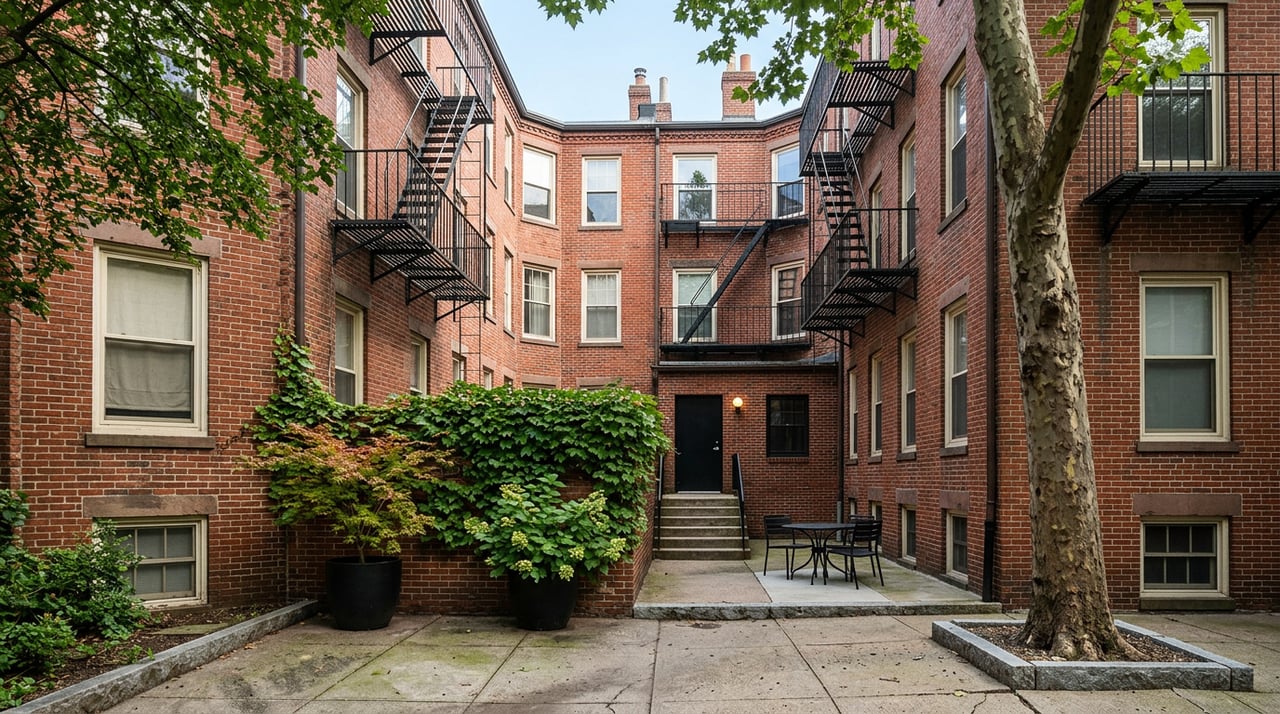
Brooklyn Heights Co-Ops And Condos: What Buyers Should Know
March 5, 2026
March 5, 2026
Shopping in Brooklyn Heights and torn between a co-op and a condo? You are not alone. Both options can work well here, but they play by different rules that affect your search, financing, timeline, and long-term costs. In this guide, you will learn the core differences, what approvals and fees to expect, and how the neighborhood’s historic buildings shape risk and value. Let’s dive in.
A condo gives you a deed to a specific unit, much like a house. A co-op gives you shares in a corporation that owns the building and a proprietary lease that lets you live in a specific apartment. The New York Attorney General explains these forms clearly in its buyer guide, which is worth bookmarking as you start your search. You can read more in the state’s overview of co-ops and condos from the Office of the Attorney General.
These legal differences shape the process. Co-ops typically require a detailed application, a board interview, and stricter financial standards. Condos are deeded real estate and are usually simpler to finance and resell. For a plain-language look at co-op board reviews and what they often request, see this practical overview from PropertyShark.
Brooklyn Heights is New York City’s first historic district, known for 19th-century brownstones, prewar elevator buildings, and a protected streetscape. That charm also means many buildings have older systems and exterior rules that shape renovations and capital projects. The Brooklyn Heights Association offers helpful neighborhood context, including the historic designation’s impact on the built environment.
Many Heights buildings are subject to the city’s Facade Inspection and Safety Program, often called Local Law 11. If a building has an unsafe facade report or a long-standing sidewalk shed, that can signal near-term spending and possible assessments. Learn how facade safety rules work from the NYC Department of Buildings.
Co-ops typically require a full board package that includes tax returns, bank statements, employment verification, reference letters, and a personal interview. This can add weeks. Rejections are possible, so you should tailor your offer and timing with your agent and lender. A good primer on what boards review and how to prepare comes from PropertyShark.
Condos usually perform a document review through the managing agent or board but have less power to deny a buyer. In practice, well-prepared condo resales often close in 4 to 8 weeks after contract if financing is in place. Co-op transactions can range from 4 to 12 weeks or more due to board schedules and lender processing.
Co-op purchases are typically financed with a share loan. The lender secures its interest with a UCC-1 filing against your shares, and it underwrites both your finances and the building’s financial health. Condos use standard real-estate mortgages that are recorded with the city. For a simple explanation of how this works in New York, review this overview of co-op and condo financing from LegalClarity.
Because condo loans are recorded mortgages, buyers who finance a condo normally pay the New York City and New York State mortgage recording tax. Co-op share loans do not usually trigger that tax. For current rates and filing details, check the NYC Department of Finance.
Co-op maintenance typically bundles your share of building expenses, including real-estate taxes, insurance, operations, and any underlying building mortgage. Condo common charges cover building operations and reserves, while property taxes are billed separately to each owner. The IRS outlines special rules for co-op owners in Publication 530, which is a useful reference at tax time.
Reserve strength matters in both ownership types. Lenders look at project budgets, reserves, and delinquency rates to gauge risk, which can impact your loan terms. You can see what lenders focus on in the Fannie Mae project standards. Always ask for the latest audited financials, budget, reserve study, and recent board minutes to spot planned work like facade, roof, or elevator projects.
Many co-ops have a flip tax, and some condos charge transfer fees or capital contributions. These fees vary by building and can affect your net proceeds when you sell, so it is wise to confirm who pays and how it is calculated before you offer. For an overview of how flip taxes are structured, see this guide to flip taxes.
Use this list to move fast on a promising listing:
Either way, focus on building health. Strong reserves, clear minutes, up-to-date facade reports, and transparent board communication are what keep monthly costs predictable and value stable.
Ready to compare specific buildings, documents, and timelines one-on-one? Reach out to Tina Fallon for a consult tailored to your goals in Brooklyn Heights.






Get assistance in determining current property value, crafting a competitive offer, writing and negotiating a contract, and much more. Contact me today so I can guide you through the buying and selling process.