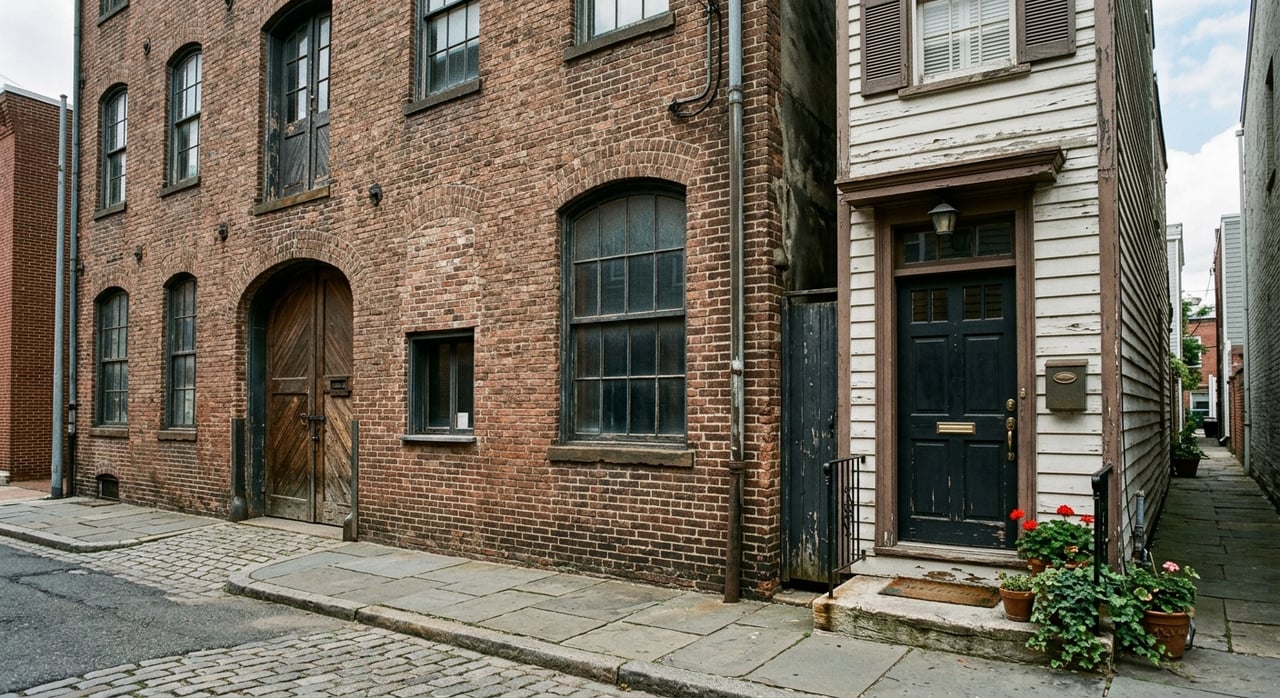
Discover The Columbia Street Waterfront District On Foot
May 21, 2026
May 21, 2026
If you want a Brooklyn neighborhood you can actually explore at a human pace, the Columbia Street Waterfront District is worth your attention. This is not the kind of place that overwhelms you with crowds or endless blocks of retail. Instead, it offers a smaller-scale waterfront setting with local businesses, mixed housing, and a street life that reveals itself best on foot. Let’s dive in.
The Columbia Street Waterfront District sits west of the BQE along Brooklyn’s industrial waterfront. City planning documents place Carroll Gardens and Cobble Hill to the east of the highway, with Red Hook along the waterfront side, which helps explain why the area feels tucked away even though it connects to some of Brooklyn’s most recognized neighborhoods.
That tucked-away quality is part of its appeal. Planning records note that the district was shaped by highway construction, industrial decline, transportation isolation, and later residential reinvestment. Today, that history shows up in a neighborhood mix that feels layered rather than polished into sameness.
For a buyer or seller, that matters. A neighborhood with a clear identity often creates a stronger sense of place, and Columbia Street has one. It reads as a small waterfront pocket with a residential feel, not a large commercial corridor.
If you are exploring on foot, Columbia Street and Union Street are the main retail corridors to know. These are the streets where daily neighborhood life is easiest to read, with a mix of shops, places to eat, and mixed-use buildings that give the area activity without making it feel overbuilt.
This is a good place to slow down and notice the scale. You are more likely to find independent storefronts and neighborhood-serving businesses than chain-heavy retail. That can be a major draw if you want a Brooklyn experience that feels personal and grounded in local routines.
A walk here also gives you a practical read on the housing stock. Along the commercial stretches, you will see the kind of mixed-use pattern that often appeals to buyers looking for character and convenience in one setting.
One of the biggest draws in the district is its access to the waterfront. Local neighborhood materials describe views toward Downtown Manhattan and the Statue of Liberty, which give walks here a strong sense of place without needing a grand itinerary.
The area also includes seven community gardens, which add texture and softness to the built environment. These gardens help reinforce the district’s residential rhythm and make the neighborhood feel cared for block by block.
DOT materials make the walk especially easy to understand. The Columbia Street segment of the Brooklyn Waterfront Greenway includes a two-way protected bike path and sidewalk, and it connects to the public plaza at the Brooklyn Bridge Park and Pier 6 entrance.
That connection is important because it turns a neighborhood walk into part of a larger waterfront experience. You can explore the district itself, then keep going toward broader public space and harbor views if you want a longer route.
What stands out most on foot is the balance between urban texture and calm. You are walking through a neighborhood shaped by industry and reinvestment, but the present-day feeling is more intimate than intense.
That can appeal to buyers who want access to Brooklyn energy without living in a district dominated by towers or heavy retail density. It can also help sellers understand why the neighborhood attracts people looking for something with a little more texture and individuality.
A strong walking neighborhood needs places that invite you to pause. Columbia Street delivers that in a way that feels browseable and local.
Freebird Books & Goods, at 123 Columbia Street, focuses on used books with an emphasis on New York history and culture. It is the kind of stop that adds personality to a weekend walk and speaks to the area’s under-the-radar charm.
Brooklyn French Bakers, at 273 Columbia Street, gives the corridor a true neighborhood bakery stop. Mazzat, at 208 Columbia Street, adds Mediterranean dining to the mix, while Petite Crevette at Hicks Street and Union Street has long served as a neighborhood seafood bistro.
Just nearby in Carroll Gardens, Cafe Spaghetti at 126 Union Street adds another dining option within easy walking range. Taken together, these businesses suggest a district built around independent shops, cafés, and neighborhood restaurants rather than formula retail.
One of the most useful things to know before exploring or buying here is that transit access is nearby rather than central. According to MTA maps, Bergen Street, Carroll Street, Smith-9 Streets, and 4 Av-9 Sts connect the area to the F and G network.
The B61 bus also plays an important role. It runs via Van Brunt Street, Columbia Street, and 9th Street between Park Slope, Red Hook, and Downtown Brooklyn, which helps knit the neighborhood into nearby Brooklyn destinations.
Waterfront access adds another layer. NYC Ferry’s South Brooklyn route stops at Red Hook and Atlantic Ave and Brooklyn Bridge Park Pier 6, giving you practical nearby ferry options for moving around the waterfront.
For many buyers, this transit profile feels like a tradeoff rather than a drawback. You are not in the middle of a major subway hub, but you gain a quieter neighborhood setting that still connects to the rest of Brooklyn and beyond.
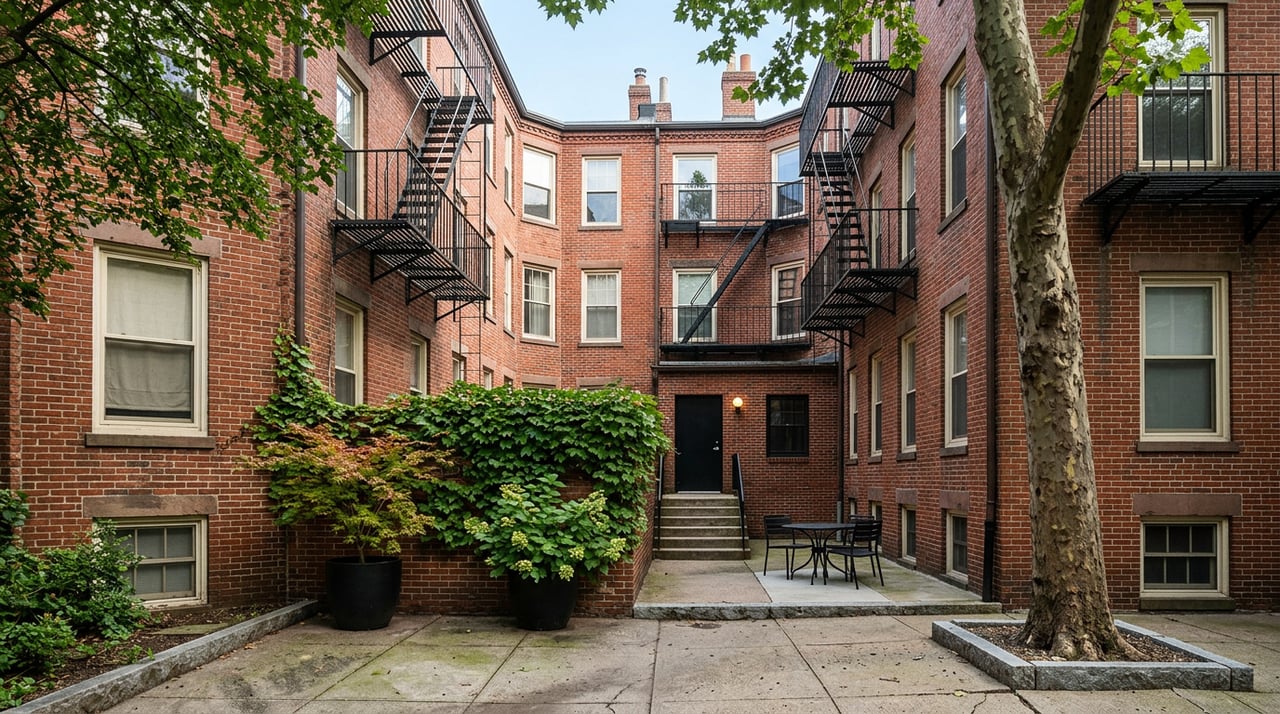
The housing mix is one of the district’s strongest features. City planning documents describe older three- and four-story row houses, newer three-story row houses, former seven-story manufacturing buildings on Tiffany Place converted into apartments, attached three- to four-story townhouses, larger apartment buildings generally four to six stories high, and mixed-use buildings with ground-floor retail along Columbia Street.
In plain terms, that means you will not see one dominant housing type. Instead, the neighborhood offers a blend of historic fabric, adaptive-reuse loft-style living, townhouses, and smaller-scale apartment buildings.
That variety gives buyers more than one path into the neighborhood. You may be drawn to a townhouse with original character, a converted industrial building with a different layout and feel, or a mixed-use block that puts you closer to neighborhood activity.
For sellers, this diversity also shapes how a home should be positioned. In a neighborhood like this, marketing works best when it tells a story about fit, block context, and lifestyle, not just square footage and finishes.
The Columbia Street Waterfront District can be especially appealing if you want a walkable waterfront setting with character. It offers a lower-rise streetscape and a more varied housing stock than larger condo-centered districts.
It may also suit you if neighborhood identity matters as much as convenience. The district’s appeal is not about doing everything at top speed. It is about having local places to return to, a recognizable street rhythm, and a setting that feels distinct from block to block.
That said, it helps to be honest about what you value. If you want to be steps from a major transit hub or surrounded by nonstop retail, this may feel quieter and more tucked away than your ideal. If you value character, waterfront access, and a smaller neighborhood footprint, that same quality may be exactly the point.
For buyers, walking the district gives you insight that listing photos cannot. You can understand how the retail corridors feel, how the waterfront connects to everyday life, and what kind of rhythm the blocks actually have at different times of day.
For sellers, the same walk helps define what makes a property marketable. In Columbia Street, buyers are often responding to the neighborhood story as much as the apartment or house itself. The setting, scale, and nearby independent businesses all shape that story.
This is where local guidance becomes especially useful. A neighborhood with a nuanced identity needs more than generic search advice or broad pricing logic. It benefits from someone who understands how to match the right buyer to the right block and how to present a home in a way that reflects the neighborhood’s character.
If you are thinking about buying or selling near Columbia Street Waterfront District, working with a broker who understands Brooklyn block by block can make the process feel far more grounded. Tina Fallon brings a consultative, neighborhood-focused approach that helps you evaluate fit, position a home thoughtfully, and move with confidence.



Get assistance in determining current property value, crafting a competitive offer, writing and negotiating a contract, and much more. Contact me today so I can guide you through the buying and selling process.