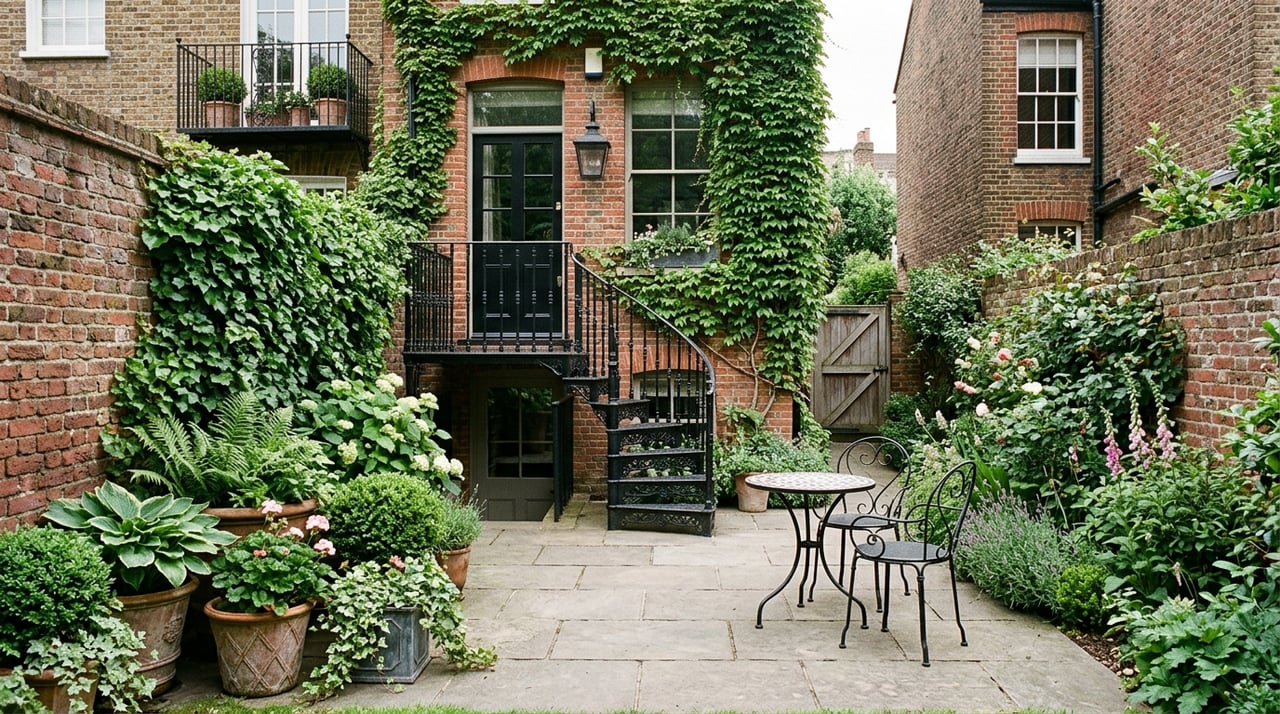
Park Slope Streets With Classic Brownstone Charm
May 14, 2026
May 14, 2026
What makes a Park Slope street feel like the Park Slope you picture in your head? For many buyers and sellers, it comes down to a specific streetscape: rows of attached homes, raised stoops, leafy blocks, and the kind of architectural detail that gives the neighborhood its lasting appeal. If you are trying to understand where that classic brownstone charm shows up most clearly, this guide will help you read the neighborhood with more confidence. Let’s dive in.
Park Slope sits between Flatbush Avenue, 15th Street, Fourth Avenue, and Prospect Park West, just west of Prospect Park. It is widely recognized as one of Brooklyn’s most established brownstone neighborhoods, and that identity is tied to both architecture and preservation.
The Park Slope Historic District was designated in 1973 and covers dozens of blocks, with later extensions adding even more protected buildings. In practical terms, that means many of the facades, stoops, and rowhouse streetscapes people love are not just historic by chance. They are also supported by a landmark framework that helps maintain the neighborhood’s visual character over time.
When people talk about Park Slope brownstones, they are usually describing a rowhouse streetscape. A rowhouse is an attached house in a continuous line that shares side walls with neighboring homes, and a stoop is the stair that leads up to the front door.
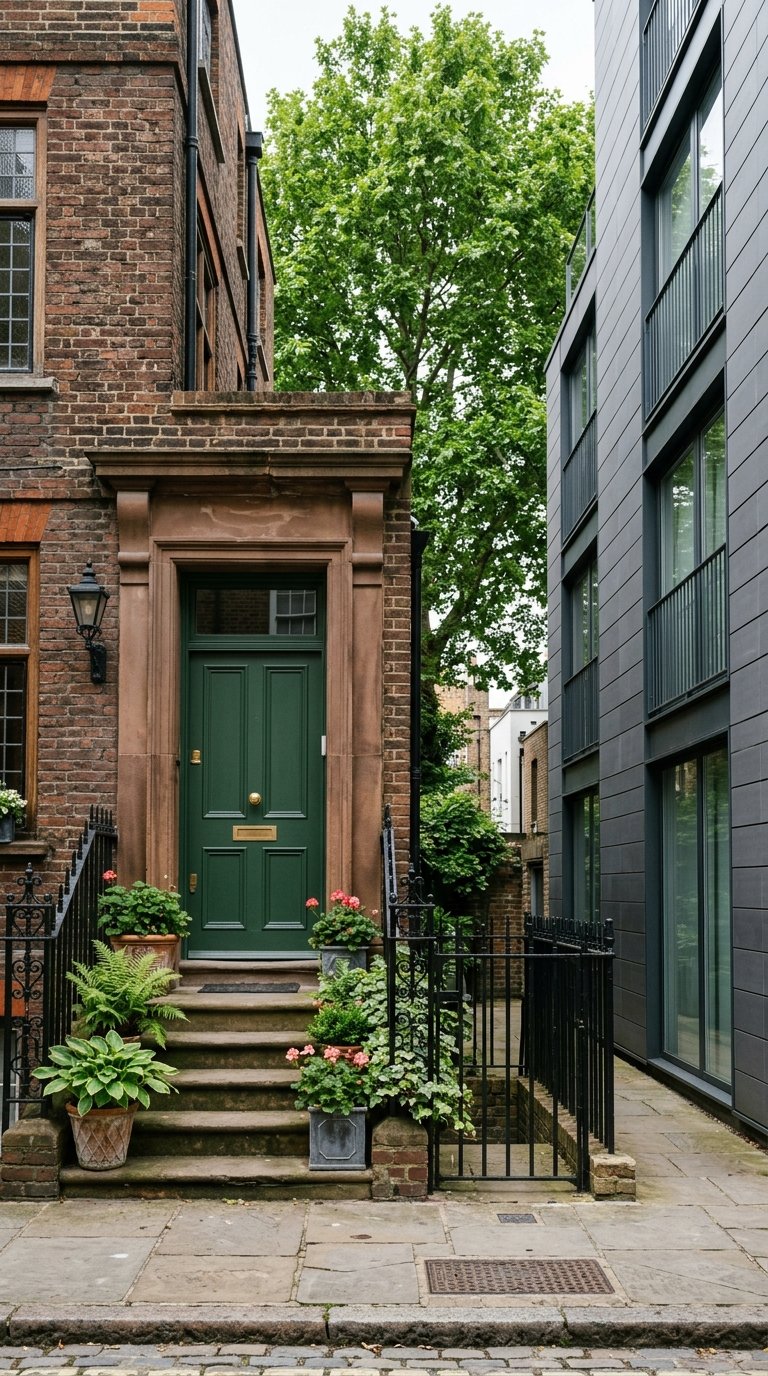
On many Park Slope blocks, that translates to attached masonry houses with raised stoops, basement-level entries, iron railings, and small front areaways instead of large front yards. You will also see details like brownstone facings, projecting bays, rusticated bases, bracketed cornices, and carved lintels that give each block texture and rhythm.
That said, Park Slope is not architecturally one-note. Across the neighborhood, you can find Italianate, Neo-Grec, Queen Anne, Romanesque Revival, Renaissance Revival, Colonial Revival, Gothic Revival, and Medieval Revival influences. So while the neighborhood has a strong brownstone identity, the look changes subtly from block to block.
If you are chasing the most classic brownstone atmosphere, start with the tree-lined midblocks and side streets where rowhouses predominate. These are the stretches that most closely match the familiar Park Slope image: consistent scale, residential facades, stoops, and a strong sense of visual continuity.
Because these blocks are more residential in character than the main commercial avenues, they often feel calmer and more cohesive. For buyers, that can mean a stronger connection to the neighborhood’s historic look. For sellers, it helps explain why block-level location can shape first impressions so much.
Not every memorable brownstone block is tucked far away from activity. Many side streets branching off the busier avenues still deliver the attached-house rhythm and preserved facade line that define Park Slope’s appeal.
These blocks can offer a useful balance if you want charm without feeling disconnected from errands, dining, or transit. The key is knowing that one or two turns off a retail corridor can change the street experience quickly.
Prospect Park is a major part of Park Slope’s identity, and it shapes the feeling of the eastern edge of the neighborhood. The park spans more than 526 acres and includes amenities like playgrounds, dog runs, an ice skating rink, and a nature center, so blocks near the park naturally connect to a bigger public landscape.
Prospect Park West includes both rowhouses and mid-rise apartment houses facing the park. Historically, some of the larger homes along Prospect Park West, 8th Avenue, and Plaza Street were later replaced by apartment buildings, which helps explain why these park-edge blocks can feel more varied in scale than the inner townhouse streets.
If you love openness and direct park access, these streets can be especially appealing. If your idea of classic brownstone charm is a highly uniform rowhouse block, some midblocks farther west may feel closer to that image.
Fifth Avenue and Seventh Avenue are Park Slope’s main neighborhood commercial corridors. These avenues typically have four- to six-story buildings with ground-floor businesses and apartments above, creating a more active street rhythm than the side streets.
That does not mean they lack charm. It means the charm reads differently. Instead of long runs of uninterrupted stoops and facades, you get a mixed streetscape where residential character and daily convenience sit side by side.
Parts of Sixth Avenue also include commercial ground floors, while Fourth Avenue is a wider arterial with strong transit access and a more auto-oriented commercial character. These corridors serve an important role in everyday life, but they generally offer a different visual and spatial experience than the tree-lined rowhouse midblocks.
For buyers, this distinction matters when comparing listings that may all be labeled Park Slope but live very differently day to day. For sellers, it is a reminder that the story of a home should include not just the address, but the kind of block experience that address delivers.
One reason Park Slope’s brownstone character feels so enduring is that many buildings sit within landmarked historic districts. In New York City, changes to designated buildings that involve exterior alterations, reconstruction, demolition, or new construction generally require approval from the Landmarks Preservation Commission before the work moves forward.
For buyers, that can be reassuring because the surrounding streetscape has a level of protection. For sellers, it is an important planning point if you are considering facade work, window changes, stoop repairs, or other exterior updates before listing. Understanding what may require approval can help you plan timing and presentation more effectively.
Classic charm is only part of what keeps Park Slope in demand. The neighborhood is also well connected by transit, with nearby stations including 4 Av-9 St, 7 Av, 15 St-Prospect Park, and Atlantic Av-Barclays Center along the northern edge.
That combination matters. A block can feel residential and visually historic while still offering practical access to the rest of Brooklyn and Manhattan. The 7 Av F/G station also became fully accessible in 2023, adding another point of convenience for many residents and visitors.
The most useful way to think about Park Slope is not as one perfectly consistent brownstone backdrop, but as a layered neighborhood. Within the same broad identity, you will find landmarked townhouse rows, park-facing avenues, apartment buildings, mixed-use corridors, and institutional buildings.
That variety is part of what makes the neighborhood interesting. It also means that finding the right fit takes more than searching by ZIP code or neighborhood name alone. You want to understand how a specific block looks, feels, and functions within the larger Park Slope picture.
If you are home shopping in Park Slope, it helps to look past the listing photos and study the street itself. Pay attention to whether the block is a midblock rowhouse stretch, a park-edge avenue, or a commercial corridor with apartments above storefronts.
A few practical details can tell you a lot:
Those cues can help you decide whether a home matches the version of Park Slope you actually want to live in.
If you are selling a townhouse, co-op, condo, or multifamily property in Park Slope, your marketing should do more than mention the neighborhood name. Buyers respond to the finer grain of location, especially in a place where block character shifts so clearly.
That means showing how your home fits into the surrounding streetscape. Is it on a classic rowhouse midblock? Near Prospect Park? Close to Seventh Avenue amenities or key subway lines? In a neighborhood with this much visual nuance, thoughtful positioning can help buyers understand value faster.
Park Slope also continues to see public infrastructure investment. In 2024, New York City completed a Park Slope project that replaced more than 1.6 miles of water mains and improved drainage and public space, which is another sign of ongoing attention to the neighborhood’s long-term function and livability.
If you are thinking about buying or selling in Park Slope, working with someone who understands the differences between one brownstone block and the next can make your decisions much clearer. Tina Fallon brings a local, design-aware perspective to Park Slope buyers and sellers who want smart guidance grounded in how Brooklyn streets really live.
Get assistance in determining current property value, crafting a competitive offer, writing and negotiating a contract, and much more. Contact me today so I can guide you through the buying and selling process.