
Waterfront Living In Red Hook: What Buyers Should Consider
May 7, 2026
May 7, 2026
Waterfront living in Brooklyn can feel like a dream, but in Red Hook, that dream comes with a very specific rhythm. If you are considering buying here, you are probably drawn to the neighborhood’s views, creative energy, and one-of-a-kind housing stock. This guide will help you look past the romance of the waterfront and understand how Red Hook works day to day, so you can decide if it is the right fit for your life. Let’s dive in.
Red Hook is a mixed-use waterfront peninsula in southwest Brooklyn, bounded by Upper New York Bay, Buttermilk Channel, the Gowanus Canal, and the BQE and Battery Tunnel approach. That geography gives the neighborhood a maritime character and a sense of separation from more subway-centered parts of Brooklyn.
For many buyers, that separation is part of the appeal. Red Hook feels different because it is different. You are not just buying a home here. You are choosing a neighborhood shaped by water, industry, residential blocks, and an active working waterfront.
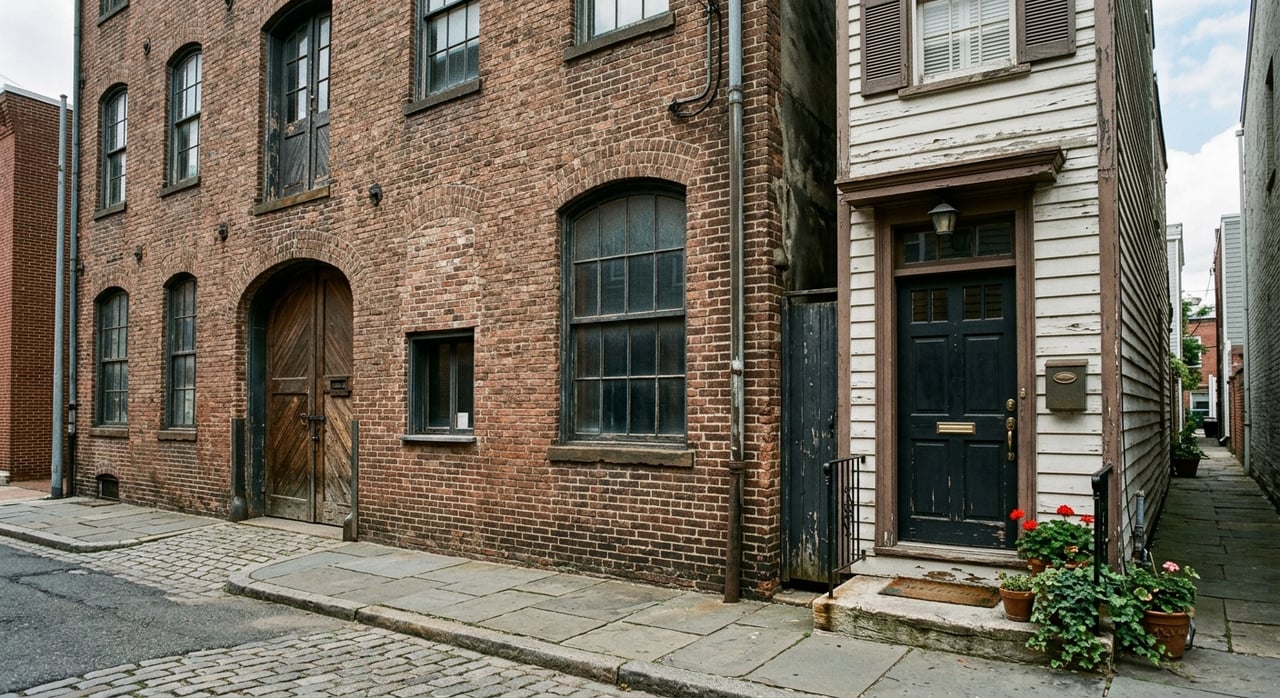
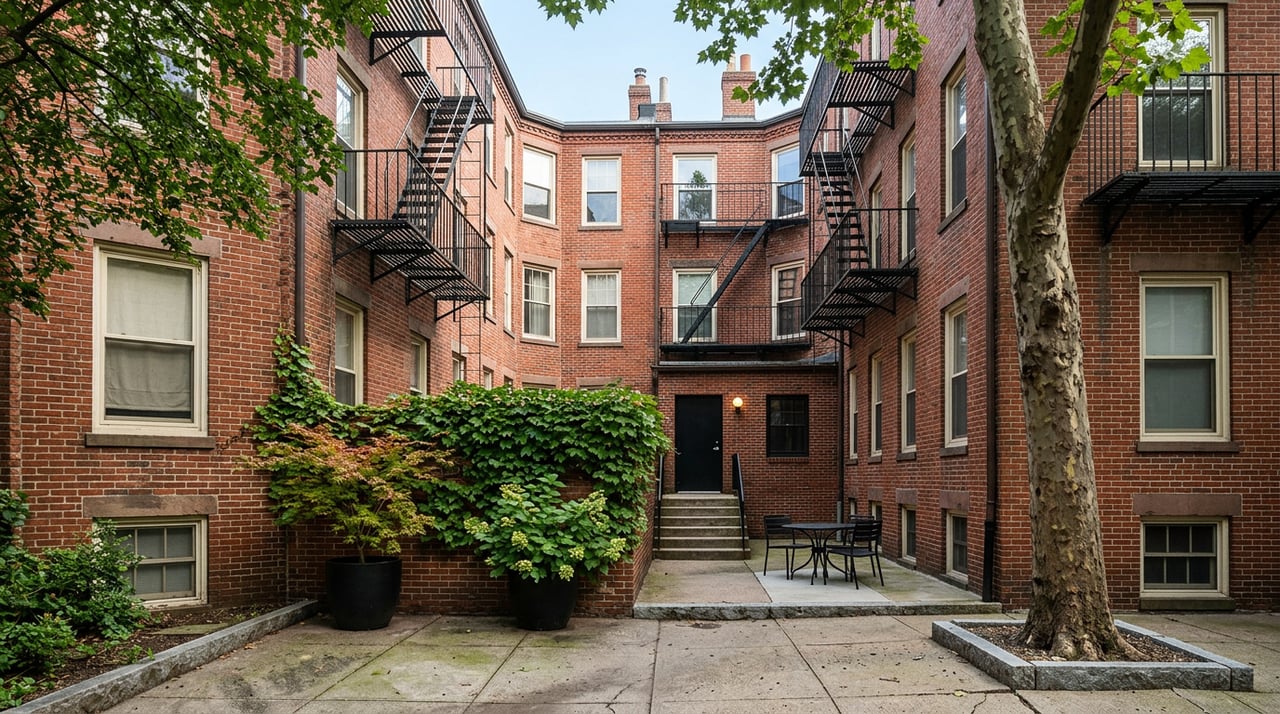
One of Red Hook’s biggest strengths is variety. City planning materials describe a residential mix that includes two- to four-story rowhouses, four- to six-story multifamily lofts, and the Red Hook Houses campus.
That means your search may include very different kinds of homes within the same neighborhood. Some buyers are drawn to rowhouse living and traditional block character, while others want loft-style volume, larger windows, or a more industrial feel.
This mix also means Red Hook does not read like a standard brownstone district. If you value character, scale, and homes that feel tied to the neighborhood’s industrial and maritime history, Red Hook offers a housing landscape that stands apart.
In some neighborhoods, waterfront living mostly means a view. In Red Hook, it also means direct access to the shoreline and outdoor spaces that shape daily life.
Louis Valentino, Jr. Park and Pier offers waterfront park space along with fishing and kayak or canoe launch sites. Red Hook Recreation Area adds another layer, with a large community park that includes a recreation center, pool, running track, playgrounds, and ballfields.
For buyers, this matters because the water is not just visual. It can become part of your weekly routine, whether that means walking to the pier, spending time in the park, or using nearby greenway segments for biking and moving around the neighborhood.
One of the most important things to understand before buying in Red Hook is that it is not a subway-first neighborhood. Daily transit often revolves around the B61 bus, which runs between Park Slope and Downtown Brooklyn via Van Brunt Street, Columbia Street, and 9th Street.
Nearby subway access is generally outside the neighborhood itself. Buyers often combine buses, nearby subway stations in adjacent areas, biking, and ferry service depending on where they need to go.
The NYC Ferry’s South Brooklyn route is one of Red Hook’s most practical advantages. It serves Red Hook and Atlantic Basin and connects to Wall Street and Pier 11, Atlantic Avenue, East 34th Street, Corlears Hook, and Governors Island.
If you commute to Lower Manhattan or split your time between Brooklyn waterfront neighborhoods, that can be a major plus. Still, it is worth being honest with yourself about your habits. Red Hook tends to work best for buyers who are comfortable with a bus- and ferry-based routine rather than expecting a subway stop around the corner.
Because of the neighborhood layout, walking and biking matter here more than they do in many areas where transit access is more direct. Red Hook includes segments of the Brooklyn Waterfront Greenway along Columbia Street and Van Brunt Street.
For some buyers, that adds to the appeal of the neighborhood. If you like getting around on foot, by bike, or by combining short trips with ferry access, Red Hook can feel both practical and refreshing.
That said, daily convenience may depend on where in the neighborhood you buy. It is smart to think not just about the home itself, but also about your route to groceries, the waterfront, transit, and your usual weekend spots.
Red Hook has everyday conveniences, but they are not spread evenly across the neighborhood. City planning materials note a retail base that includes grocery stores, restaurants, shops, hotels, and IKEA, while local district materials point to Van Brunt Street and areas around the edges of NYCHA property as main retail activity zones.
That concentration shapes how the neighborhood feels. Some blocks feel more residential and quiet, while others are closer to shops, food, and street activity.
For buyers, this is less about good or bad and more about fit. If you want to step out your door and be near the center of neighborhood activity, one location may make more sense. If you prefer a more tucked-away residential feel, another block may be a better match.
A big part of Red Hook’s identity is that the waterfront is still active and evolving. The neighborhood includes industrial, transportation, utility, and maritime uses alongside residential streets and local retail.
That can be exciting for buyers who want a place with texture and a real working-neighborhood feel. It can also be an adjustment if you are expecting a polished waterfront district with a single, seamless promenade and purely residential surroundings.
This is one of the core Red Hook tradeoffs. You get strong character, real waterfront access, and a housing stock that feels different from much of Brooklyn. In return, you should be comfortable with a streetscape that is mixed-use and less conventionally streamlined.
If you are buying near the waterfront in Red Hook, resiliency belongs on your checklist. The city’s Red Hook Coastal Resiliency project is designed to reduce flood risk from storm surge and sea-level rise, while also improving the neighborhood fabric.
Recent city materials describe work that includes floodwalls, floodgates, street redesigns, and public-space improvements along Atlantic Basin and Beard Street. For buyers, this is a reminder that waterfront ownership is about more than views and finishes.
As you evaluate a property, it is worth asking how the home fits into the broader waterfront context and how ongoing resiliency efforts may shape the area around it. In Red Hook, that practical lens is part of buying wisely.
Red Hook’s creative identity is not just marketing language. Pioneer Works, an artist- and scientist-led cultural center in the neighborhood, hosts arts, technology, music, science, workshops, and public programming.
That helps explain why Red Hook often feels industrial and cultural at the same time. For buyers who care about neighborhood texture, independent character, and spaces that support public programming, this can be a meaningful part of the lifestyle.
In other words, Red Hook is not just about the water. It is also about atmosphere, reuse, creativity, and the feeling that the neighborhood has kept a distinct point of view.
Red Hook tends to make the most sense for buyers who want a distinctive waterfront setting and are comfortable with a transit pattern built around buses, ferries, biking, and nearby connections. It can also be a strong match if you value loft-like space, rowhouse character, and a neighborhood with a working waterfront context.
It may be less ideal if your top priority is direct subway access or a more uniform residential environment. The right decision usually comes down to how you want your daily life to feel, not just how a listing looks online.
That is why neighborhood fit matters so much here. In Red Hook, the best purchase is often the one that matches your routines, your commute, and the kind of place you want to call home long after move-in day.
If you are exploring Red Hook, a thoughtful buying process can make all the difference. The right guidance helps you weigh housing style, block feel, transit patterns, and the practical realities of waterfront living so you can buy with confidence. To talk through what fits your goals in Brooklyn, connect with Tina Fallon.



Get assistance in determining current property value, crafting a competitive offer, writing and negotiating a contract, and much more. Contact me today so I can guide you through the buying and selling process.