Crafting A Standout Listing Story For Brooklyn Heights Homes
April 23, 2026
April 23, 2026
If you are selling in Brooklyn Heights, your listing has to do more than look polished. It has to tell a clear story about why this home feels special, how it lives day to day, and what makes its setting hard to replicate. In a premium market where buyers often start online and compare homes quickly, that story can shape whether they save, share, or schedule a tour. Let’s dive in.
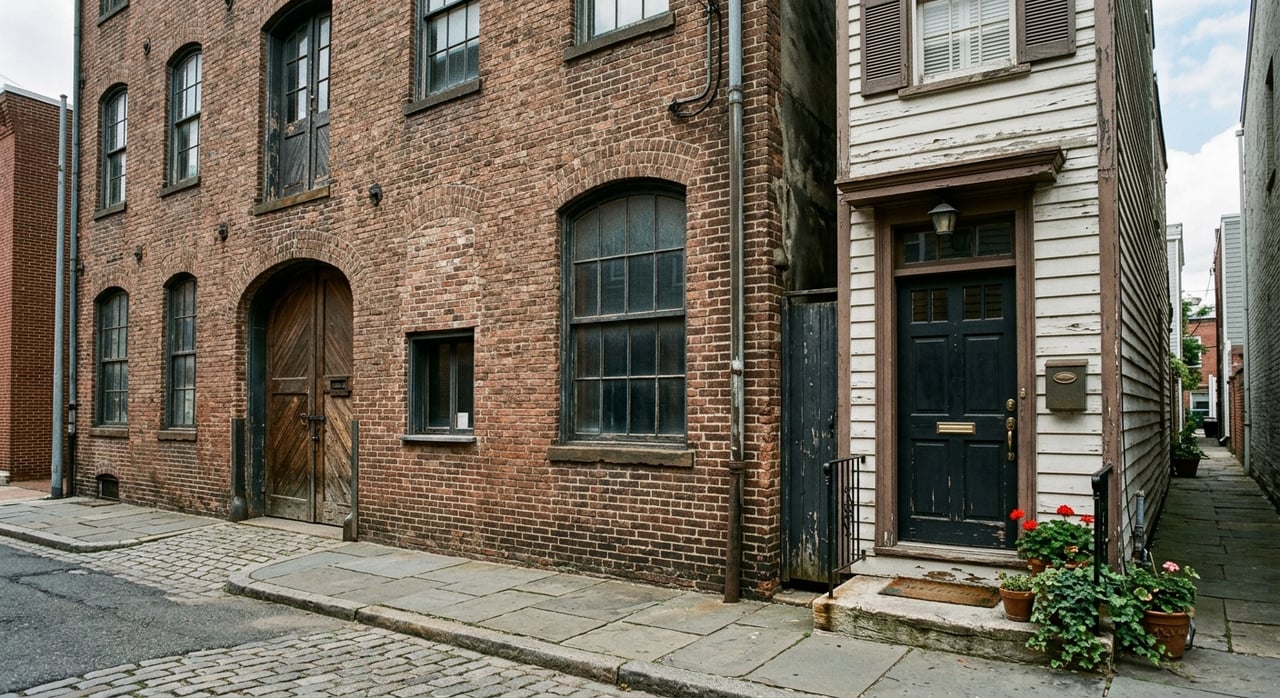
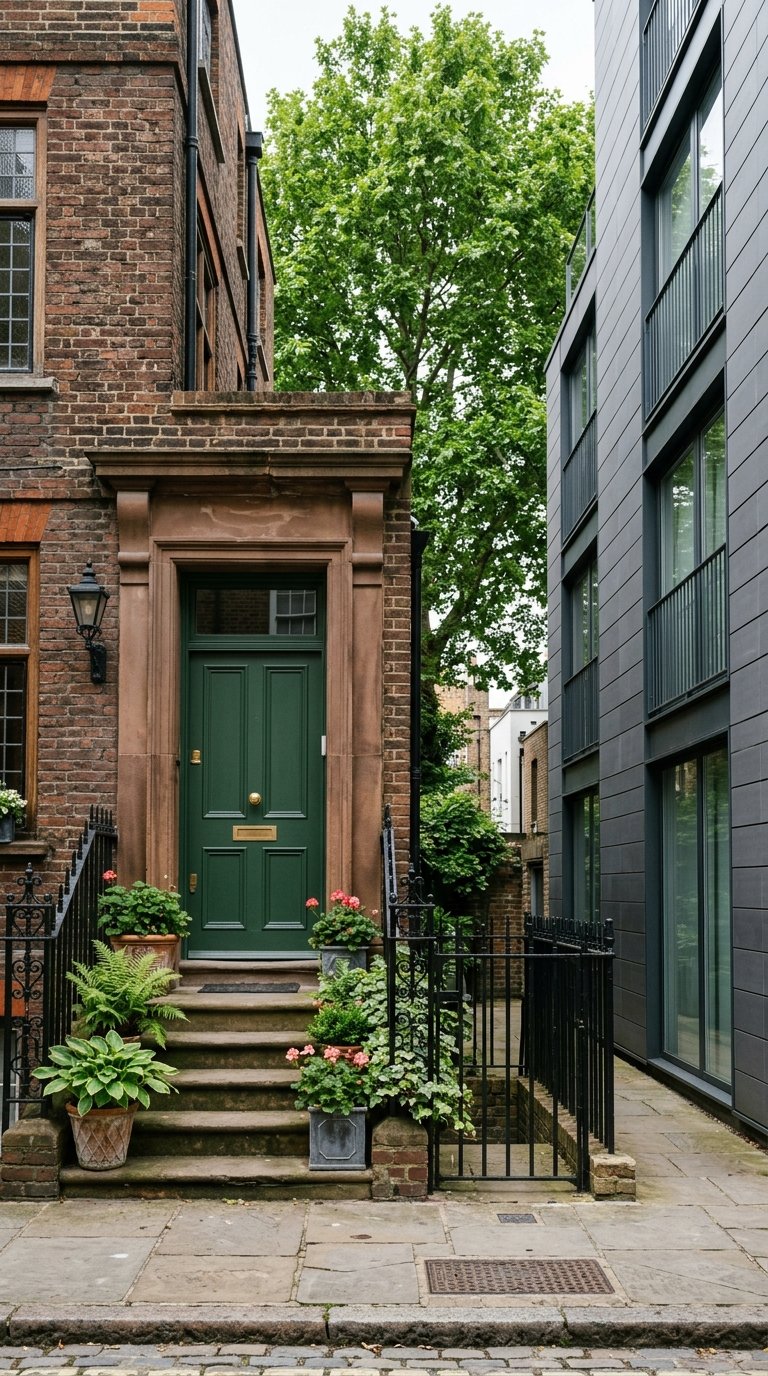
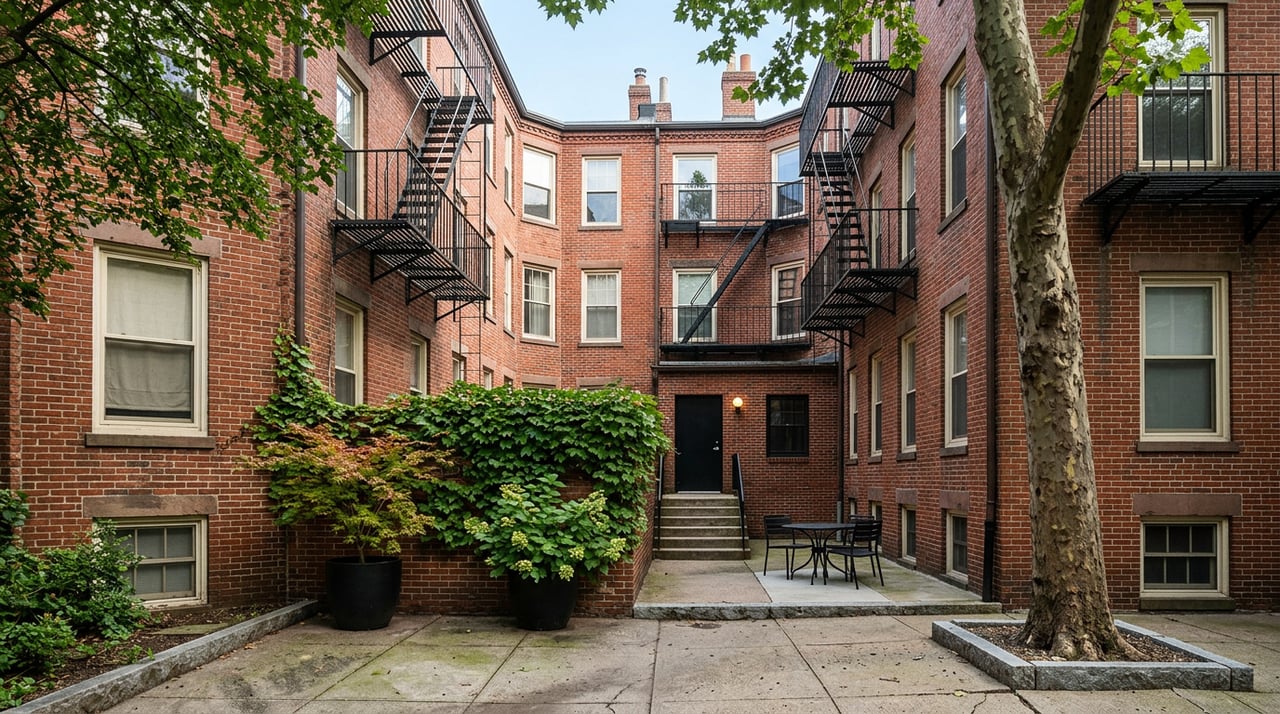
Brooklyn Heights gives you a built-in advantage, but only if you use it well. The neighborhood’s historic district is known for its elevated East River setting, tree-lined streets, brick and brownstone homes, stone sidewalks, and remarkably intact 19th-century character, according to the New York City Landmarks Preservation Commission. That means buyers are not just evaluating square footage. They are responding to architecture, atmosphere, and context.
The market data reinforces that presentation matters. Realtor.com’s Brooklyn Heights overview reports a median listing price of $1.925 million, 82 active listings, a median 82 days on market, and a 96% sale-to-list ratio. Zillow’s March 2026 figures also point to a high-value market, with an average home value of $1,469,685 and year-over-year growth of 8.6%, which raises the stakes for how your home is introduced online.
A standout listing story begins with identity. Before you talk about finishes, you need to answer a simple question: What is this home, really? Is it a classic brownstone floor-through with original detail, a light-filled co-op with skyline views, or a renovated condo that pairs modern function with historic surroundings?
In Brooklyn Heights, the strongest stories often combine five elements: historic character, natural light, open views, polished condition, and access to daily conveniences. When those elements show up together, the home feels specific instead of generic. That is what helps a buyer remember it.
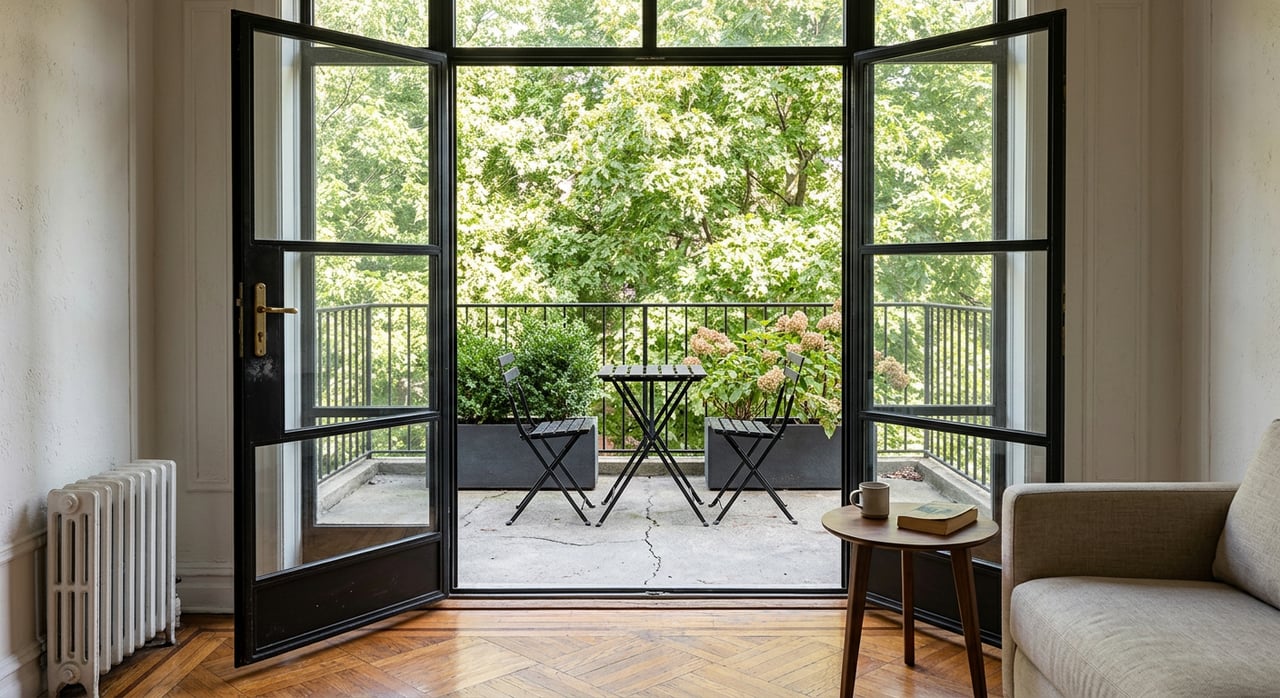
Brooklyn Heights sits on a bluff above the East River, which makes light and outlook unusually important. The waterfront edge is shaped by Brooklyn Bridge Park, an 85-acre park with promenades, gardens, and wide city views, and that visual openness can influence how nearby homes feel and photograph. If your home captures river light, skyline views, treetop outlooks, or a strong western or eastern exposure, those details deserve a central place in the story.
This is not a minor point. Zillow specifically recommends photographing interiors when the home is brightest and calling out views directly in listing marketing. In Brooklyn Heights, buyers often respond quickly to homes that feel airy, calm, and visually connected to the neighborhood around them.
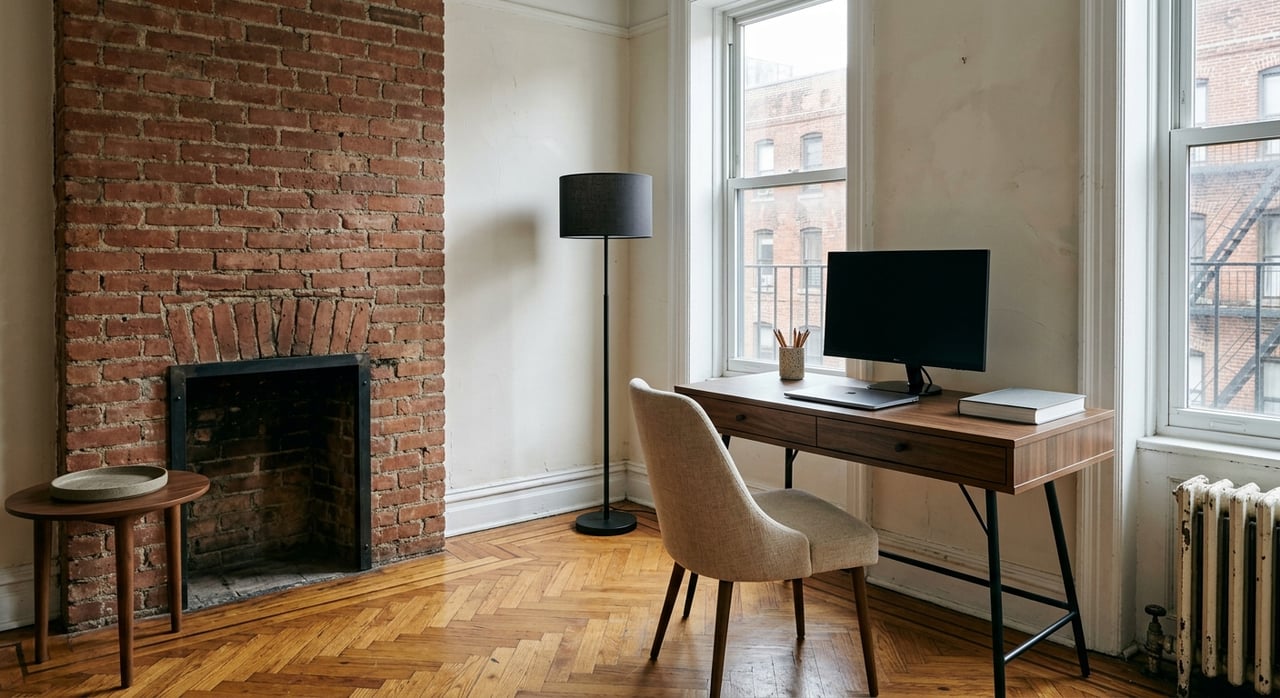
In many neighborhoods, old details are background texture. In Brooklyn Heights, they are often part of the headline. The LPC report describes a district shaped by stately brick and brownstone houses, pre-Civil War buildings, and a wide variety of 19th-century architectural styles.
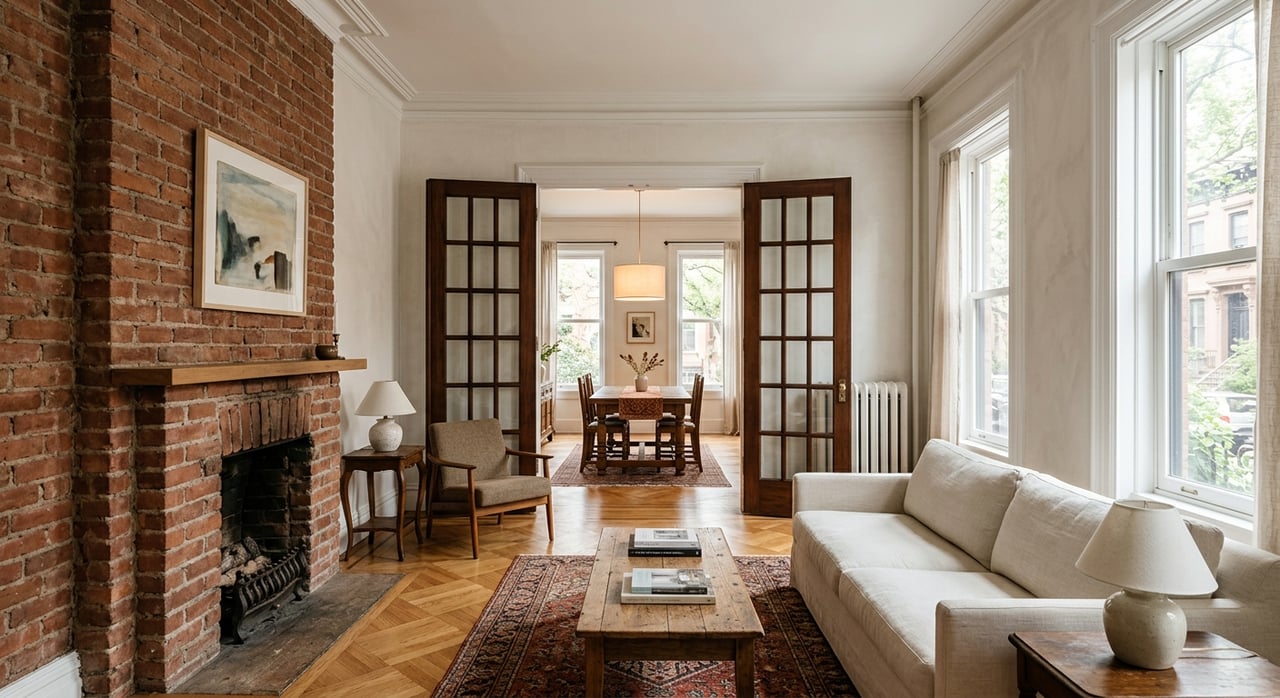
That gives real weight to features like original moldings, stair rails, plasterwork, fireplaces, old-growth floors, period windows, and brownstone facades. These are not filler details to mention at the end. They help explain why a home feels rooted, layered, and hard to duplicate in newer housing stock.
Historic charm alone is not enough. Buyers also want to understand how the home works for modern life, especially in kitchens, baths, storage areas, and flexible living spaces. The best listing stories show both sides clearly: preserved character and everyday function.
That balance matters in a landmarked neighborhood, where many exterior changes require review and major alterations are not always the most practical pre-sale move. Often, the smartest updates are presentation choices that clarify how the home lives right now without stripping away the architectural bones that make it valuable.
Staging should not make a Brooklyn Heights home feel generic. It should help buyers see scale, flow, and character more easily. According to the National Association of Realtors’ 2025 home staging snapshot, 83% of buyers’ agents said staging made it easier for buyers to visualize a property as a future home.
That finding is especially relevant here, where many homes have unusual layouts, formal entry sequences, or rooms with multiple possible uses. Good staging helps buyers understand circulation and proportion at a glance. It also keeps original features visible instead of competing with heavy furniture or clutter.
NAR found the most commonly staged rooms were the living room, primary bedroom, and dining room. For Brooklyn Heights sellers, that is a practical roadmap.
Focus your budget first on spaces that do the most storytelling work:
These rooms often shape the emotional first impression. If they feel clear, scaled correctly, and visually calm, buyers can absorb the home’s architecture more naturally.
The goal is not to erase the home’s age. It is to make its character easier to read. In a Brooklyn Heights brownstone or prewar apartment, that usually means lighter styling, fewer pieces, and furniture placement that highlights windows, fireplaces, millwork, and ceiling height.
A clean, contemporary layer can work beautifully, but it should support the architecture rather than overpower it. You want buyers to remember the home itself, not the staging package.
Your first audience is online. Zillow reports that 79% of recent buyers shopped online, nearly half said professional photos were extremely or very important, and 22 to 27 photos is the ideal listing range. It also notes that homes with fewer than nine photos are about 20% less likely to sell within 60 days.
NAR’s 2026 online visibility guidance adds that 81% of buyers rated listing photos as the most useful feature during their search. In other words, photos are not just a support tool. They are often the first showing.
In Brooklyn Heights, the opening image should create instant context. Depending on the home, that may be a strong facade shot, a living room filled with daylight, or a room that captures a skyline, river, or garden outlook.
From there, the photo set should move logically through the home and answer four questions quickly:
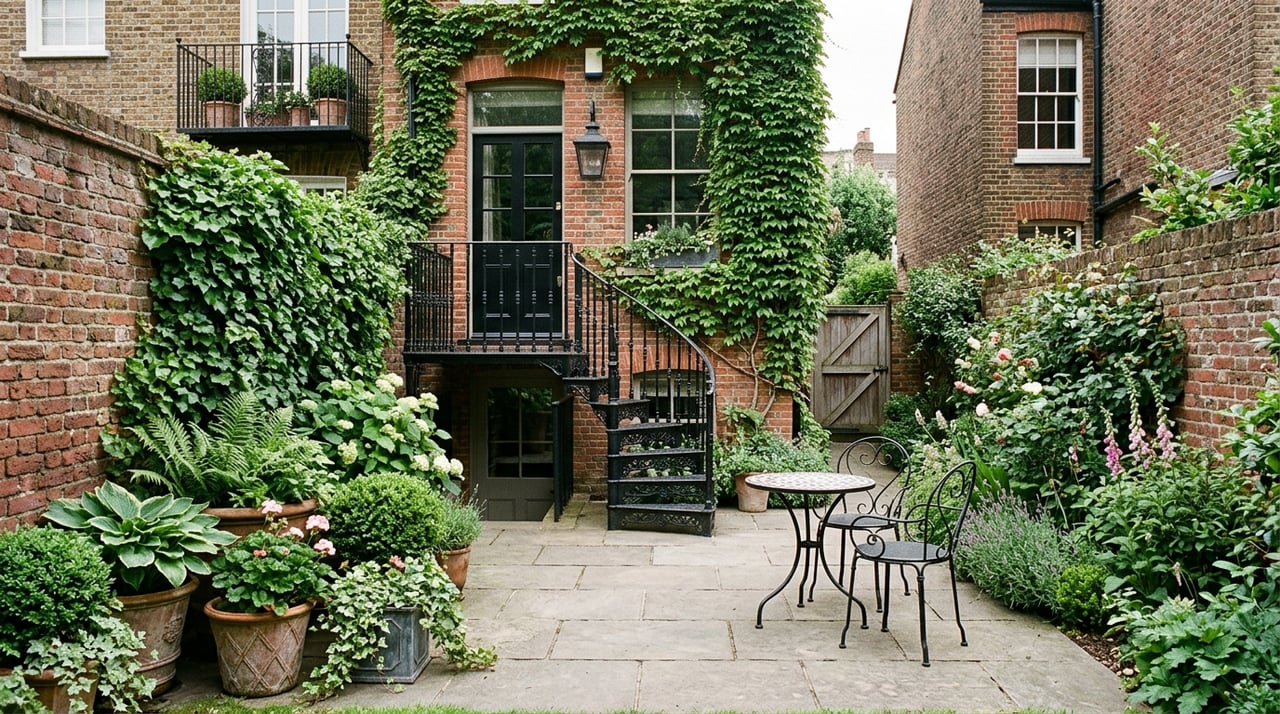
That means showcasing windows and exposure, preserving sightlines, and giving special attention to architectural details. It also means including meaningful lifestyle context when appropriate, such as outdoor space, building amenities, or nearby waterfront access.
Zillow also says adding a video walkthrough can double both shopping views and the frequency with which a home is saved. For Brooklyn Heights properties with layered layouts, vertical circulation, or details that reveal themselves in motion, video can be especially useful.
A walkthrough helps buyers understand rhythm and proportion in a way still photos cannot always capture. That can increase the quality of interest before the first in-person tour.
Once the visuals do their job, the written description has to carry the story forward. According to NAR’s article on maximizing online visibility, listing copy should help buyers decide whether a home is worth saving, sharing, or touring. Clear copy tends to outperform language that is overly clever or vague.
For Brooklyn Heights, a simple structure works best:
That sequence keeps the description grounded. It also helps you translate physical features into a buyer-centered story.
The most useful listing descriptions often spotlight:
The neighborhood context should support the home, not replace it. You can mention that Montague Street is the neighborhood’s principal shopping street, or note access to stations shown on the MTA Brooklyn neighborhood map, including Borough Hall, Clark St, High St, and Jay St-MetroTech. But the copy should still stay anchored in what makes this property worth seeing.
A strong listing story is not just staging, photography, or copy by itself. It works best when all three are launched together through a coordinated digital plan. NAR reports that 52% of buyers found the home they purchased online, and nearly half began their search online, which makes the first few days of exposure especially important.
That early window can shape visibility, saves, and shares. If a listing goes live with weak photos, incomplete copy, or uneven presentation, you may lose momentum right when buyer attention is highest.
For a Brooklyn Heights home, launch-day marketing should feel intentional and complete. That usually means:
If early engagement is soft, refreshing the lead image or reordering photos can help. The point is to treat launch as a strategy, not a checkbox.
Brooklyn Heights is not a market where a basic feature list is enough. Buyers here often care about craftsmanship, setting, design, and the feeling of a home just as much as the number of rooms. The neighborhood’s historic fabric, waterfront access, transit convenience, and premium price point all support a more thoughtful approach.
That is where curated presentation can make a real difference. When staging, visuals, copy, and launch timing all reinforce the same core message, your listing feels more memorable and more credible. Instead of simply appearing online, it arrives with purpose.
If you are preparing to sell and want a marketing plan built around story, design, and neighborhood context, Tina Fallon can help you shape a launch that highlights what makes your Brooklyn Heights home stand out.


Get assistance in determining current property value, crafting a competitive offer, writing and negotiating a contract, and much more. Contact me today so I can guide you through the buying and selling process.