Co-Op Or Condo In Crown Heights?
June 4, 2026
June 4, 2026
Trying to choose between a co-op and a condo in Crown Heights? You are not overthinking it. In this part of Brooklyn, building type can shape your monthly costs, your rules as an owner, and how much flexibility you have down the road. If you are weighing character, budget, and future plans all at once, this guide will help you compare the two with Crown Heights in mind. Let’s dive in.
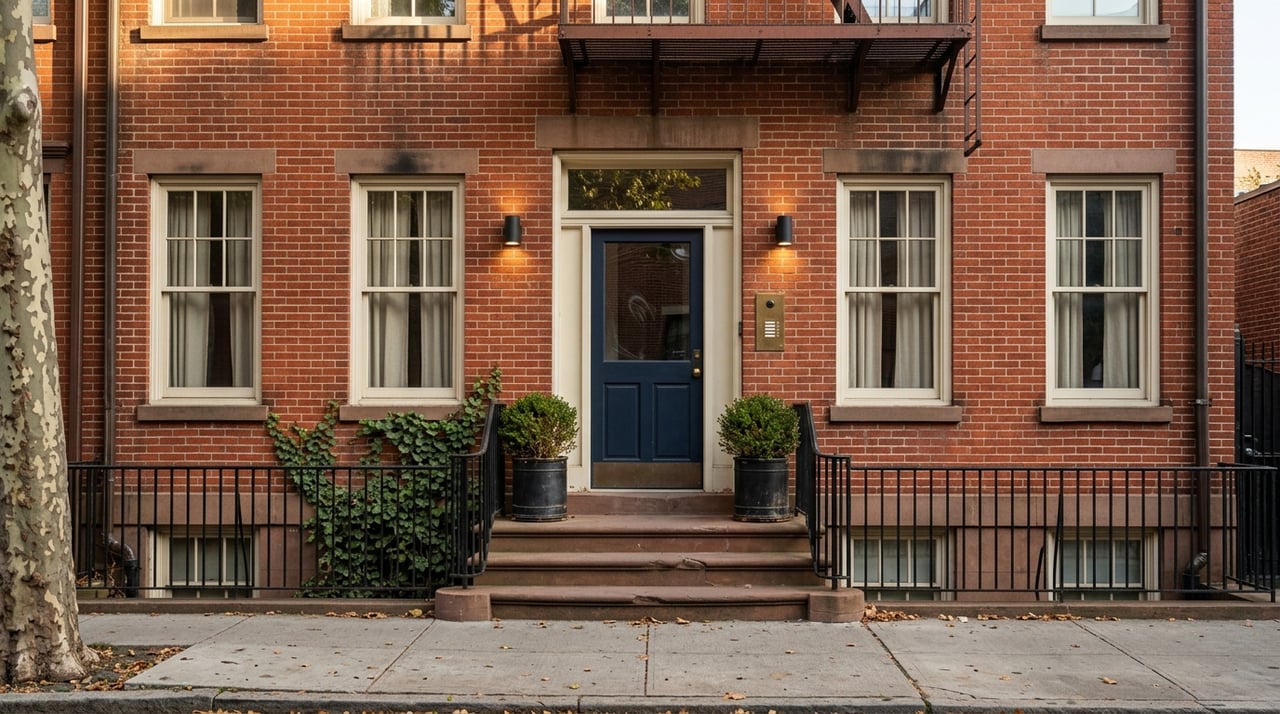
Crown Heights is a largely residential neighborhood with a wide mix of housing types, including brownstones, rowhouses, apartment buildings, and institutional buildings. That variety matters because a low-rise conversion on one block can feel very different from a newer apartment building a few blocks away.
The neighborhood is also well served by transit, including the 2, 3, 4, 5, the Franklin Avenue Shuttle, and nearby A and C stations. Planning work along Atlantic Avenue also points to continued housing growth near the area, which means buyers may see everything from older co-op stock to newer condo-style projects during the same search.
Market activity adds another layer. Redfin reported a median sale price of about $1.327 million in Crown Heights in April 2026, with homes averaging about 85 days on market. In an active market like this, it helps to decide early whether you want lower-friction flexibility, more structured ownership, or a certain kind of monthly payment.
When you buy a co-op, you are not buying the apartment as real property in the same way you would in a condo. Instead, you purchase shares in the corporation that owns the building, and those shares are tied to your apartment through a long-term proprietary lease.
Your monthly payment is usually called maintenance. According to New York State guidance, co-op owners pay maintenance charges based on the number of shares allocated to the apartment. New York City also notes that co-op owners do not pay property tax directly because the building is taxed as a whole, and that cost is included in the building-level charges.
For many buyers, that means the monthly bill feels more bundled. You may see one maintenance number rather than a separate tax bill plus common charges, which can make the payment feel simpler at first glance.
When you buy a condo, you own your individual unit plus an undivided interest in the common elements of the building. That ownership structure is more direct and usually feels more familiar to buyers who want a clearly defined property interest.
Monthly condo costs are typically split. The condo charges shared building expenses through common charges, while New York City sends the property tax bill for the unit separately. As a result, condo ownership often feels more itemized from month to month.
That cleaner separation can make budgeting easier for some buyers. If you like seeing taxes and shared building expenses broken out clearly, a condo may be easier to model over time.
One of the biggest practical differences between a co-op and a condo in Crown Heights is how the monthly cost is structured. The total cost of ownership matters, of course, but the way the bill is presented can affect how you evaluate affordability.
In a co-op, property taxes are generally wrapped into the maintenance paid at the building level. In a condo, taxes are billed to the unit owner separately from common charges. That means two homes with similar purchase prices can feel very different once you compare the monthly numbers closely.
Both co-ops and condos used as primary residences may qualify for New York City's co-op and condo property tax abatement. But the application is handled by the building's board, managing agent, or another official representative, not by the individual owner. If this abatement is important to your budget, ask how the building handles it before you move forward.
For many Crown Heights buyers, the real difference is not just cost. It is how much control and flexibility you want as an owner.
Co-ops are governed by internal documents such as bylaws, the proprietary lease, the certificate of incorporation, and house rules. State guidance also makes clear that sublet provisions are part of those governing documents. In plain terms, this often means more building oversight and a more structured ownership experience.
That structure can work well if you plan to stay put and are comfortable following a detailed rule set. But if your work, travel, or future housing plans may change, those same rules can feel limiting depending on the building.
Condos also have governing documents and rules, so they are not rule-free. Still, state guidance says condo sublet provisions are generally unrestricted compared with co-ops, which is one reason condos are often seen as the more flexible option over the long term.
Crown Heights has a lot of building variety, and older stock deserves extra attention. A charming prewar co-op conversion may offer character and a lower entry point than a newer condo, but the tradeoff can be a more complicated maintenance picture or upcoming building work.
The New York State Attorney General advises buyers to review the building's physical condition carefully, including the facade, roof, elevators, heating and cooling systems, electrical wiring, and plumbing. In older Crown Heights buildings, repairs to the facade, roof, elevators, plumbing, or boiler can become major building-wide expenses.
That does not mean older buildings are a bad choice. It means you should match the building's condition and financial health to your own comfort level and timeline.
Not every co-op in Crown Heights follows the standard market-rate co-op playbook. Some buildings may be HDFC co-ops or have other restrictions that affect eligibility, resale, subletting, or fees.
According to NYC HPD, HDFC co-ops can have income limits, resale restrictions, subletting restrictions, and flip-tax provisions spelled out in the governing documents. If a building seems significantly more affordable than similar options nearby, that is a reason to ask more questions, not less.
Before you assume a co-op works like every other co-op, confirm the building type and any restrictions in writing. This is especially important in a neighborhood with mixed housing stock and varied ownership structures.
Crown Heights buyers may also find themselves comparing a recent condo or condo-style conversion with an older co-op or smaller building. Those homes can offer very different experiences, even at similar price points.
For newer development or recent conversions, the offering plan is key. The Attorney General warns buyers not to rely on brochures, renderings, or verbal promises about amenities, parking, recreational areas, or rooftop features unless those items are specifically included in the offering plan.
That matters in Crown Heights, where an older walk-up conversion and a newer corridor project can be only a few blocks apart but offer completely different amenity packages and ownership expectations. If an amenity is driving your decision, verify that it is actually part of what the sponsor must deliver.
No matter which building type you prefer, due diligence matters. A strong tour is not just about layout and light. It is also about the documents, the building systems, and the rules you will live with after closing.
Here are smart questions to ask when touring co-ops and condos in Crown Heights:
In Crown Heights, there is rarely a one-size-fits-all answer. The better choice usually comes down to your lifestyle, your time horizon, and how you want ownership to function day to day.
A co-op may fit you well if you are comfortable with more governance, want a more bundled monthly payment structure, and plan to stay in the home for a while. A condo may be the better fit if you want more autonomy, a clearer separation between taxes and common charges, and more flexibility if your plans change later.
The neighborhood's mixed building stock makes this an especially block-by-block and building-by-building decision. That is why the smartest move is not just choosing between co-op and condo in theory. It is comparing the actual building, the documents, and the monthly reality behind each listing.
If you are sorting through Crown Heights options and want a grounded read on what fits your budget, timeline, and lifestyle, Tina Fallon can help you compare the fine print with the bigger picture.





Get assistance in determining current property value, crafting a competitive offer, writing and negotiating a contract, and much more. Contact me today so I can guide you through the buying and selling process.