Prepping A Brooklyn Heights Co-Op For Market
July 9, 2026
July 9, 2026
If you are thinking about selling a co-op in Brooklyn Heights, it helps to know this is not a market where you can simply tidy up, take a few photos, and hope for the best. Buyers here move through listings with a sharp eye, and co-op boards expect a separate layer of organization behind the scenes. The good news is that with the right prep, you can make your home feel stronger online, better in person, and easier to move through the deal process. Let’s dive in.
Brooklyn Heights is a presentation-sensitive market with real buyer choice. Recent neighborhood data showed a median sale price of about $1.34 million over the three months ending May 2026, average days on market of 37, and a 99.6% sale-to-list ratio. Realtor.com also reported 121 active for-sale listings and a median listing price of $1.9 million.
That combination matters. Buyers are seeing enough inventory to compare condition, pricing, layout clarity, and overall polish quickly. If your co-op feels visually calm and transaction-ready, you are in a much better position from the first click to the final board step.
A Brooklyn Heights co-op sale runs on two tracks at once. First, you need the apartment to show well in photos, floor plans, and in-person tours. Second, you need the paperwork to be complete and organized for the buyer’s board package and review process.
That distinction is important because a co-op sale is not the same as a condo sale. In New York, a co-op buyer is purchasing shares in a corporation tied to a proprietary lease, and the co-op board can approve or reject applicants. In practical terms, that means a beautiful apartment alone is not enough. The full sale process has to feel buttoned up.
When sellers prepare for market, it is easy to spread energy evenly across every inch of the home. In reality, some rooms do more work than others. According to NAR’s 2025 staging survey, buyers cared most about the living room, primary bedroom, and kitchen.
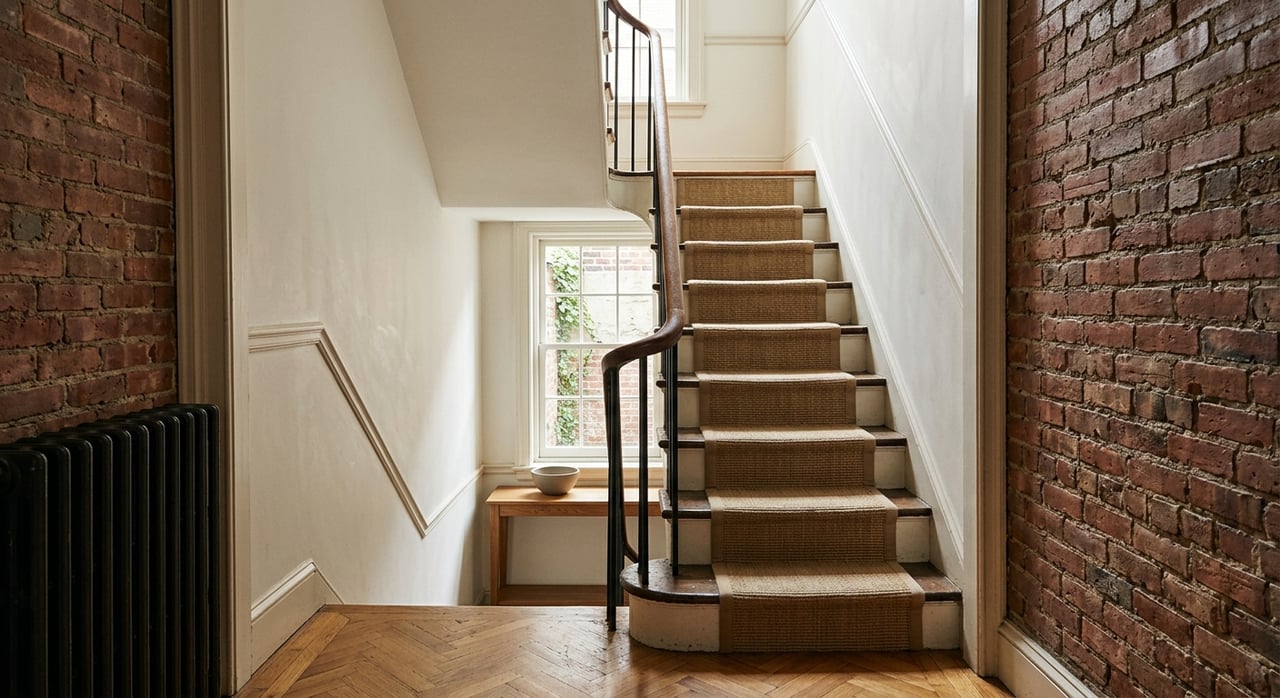
If you are deciding where to begin, begin there. Those spaces usually shape a buyer’s first impression of comfort, flow, and livability. In a Brooklyn Heights co-op, they also help buyers understand how a prewar layout functions day to day.
The most common seller recommendation in the NAR survey was decluttering, cited by 91% of sellers’ agents. That advice holds up especially well in Brooklyn Heights, where room scale, storage, and circulation often matter a lot to buyers comparing similar co-ops.
Decluttering does not mean stripping out all personality. It means removing enough visual noise so buyers can read the apartment clearly. Think fewer small objects, edited bookshelves, simplified counters, and more breathing room around furniture.
Cleaning the entire home was recommended by 88% of sellers’ agents in the same survey. A deep clean is one of the simplest ways to improve how a home feels both in photos and in person.
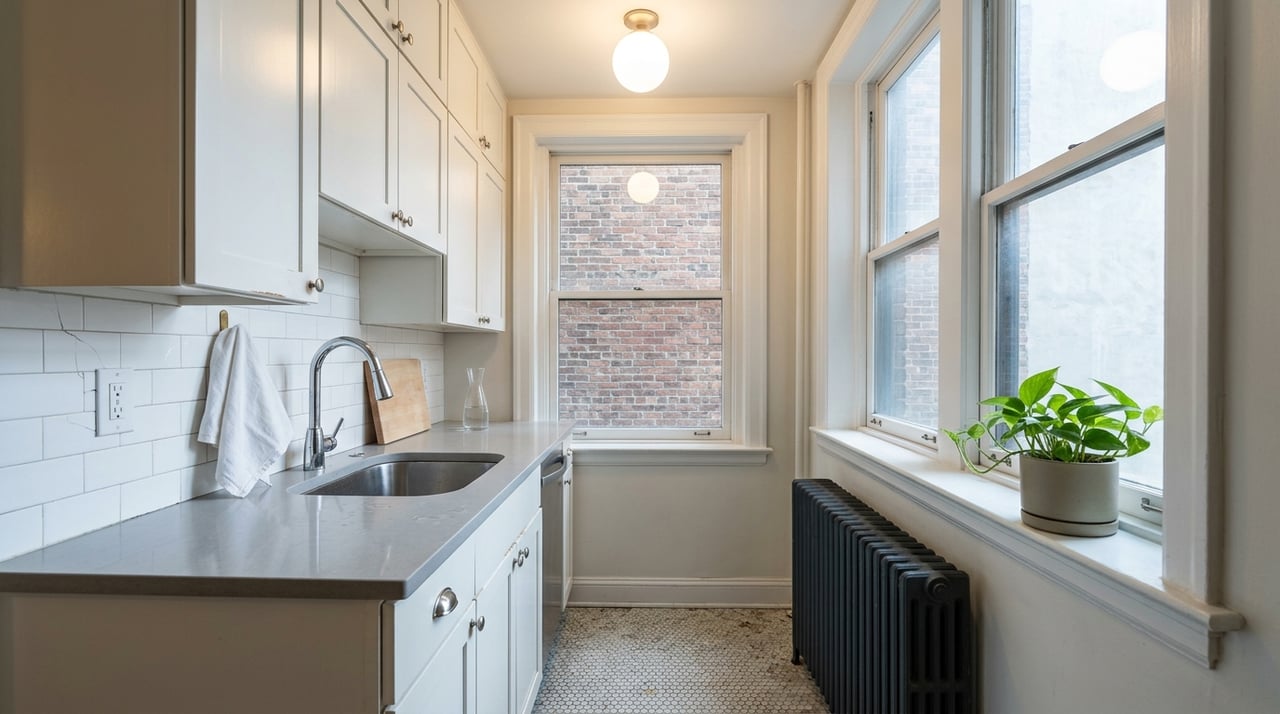
Pay close attention to kitchens, baths, windows, floors, baseboards, and light fixtures. In older homes, clean surfaces help original details feel charming rather than tired. That difference shows up fast.
Your goal is not to erase warmth. Your goal is to make the apartment easy for someone else to imagine as their own.
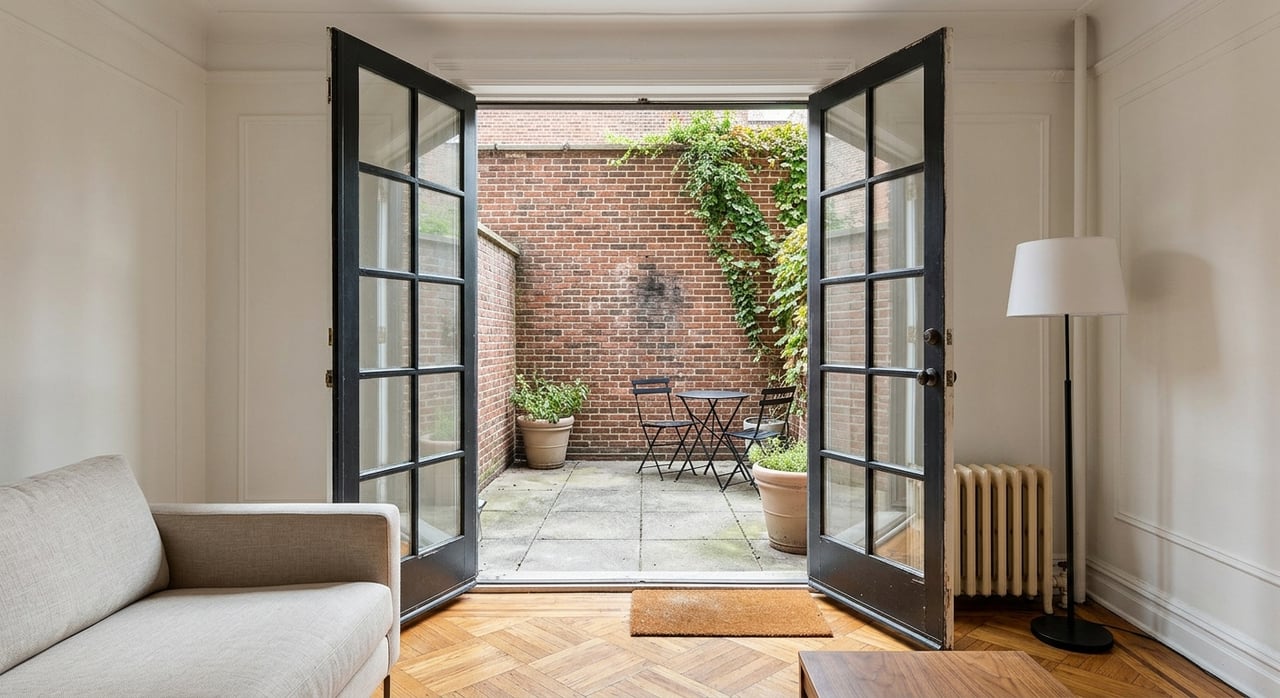
That often means scaling back family photos, highly specific decor, and anything that makes a room feel crowded or visually busy. A more neutral backdrop can make natural light, ceiling height, millwork, and flow feel more prominent.
Staging works best when it helps buyers understand the purpose and scale of each room. NAR reported that 49% of sellers’ agents said staging reduced time on market, while 29% said staging increased the dollar value offered by 1% to 10%.
For Brooklyn Heights sellers, the practical takeaway is usually not a full renovation. It is a more strategic reset. Aim to make the apartment feel brighter, more spacious, and easier to understand at a glance.
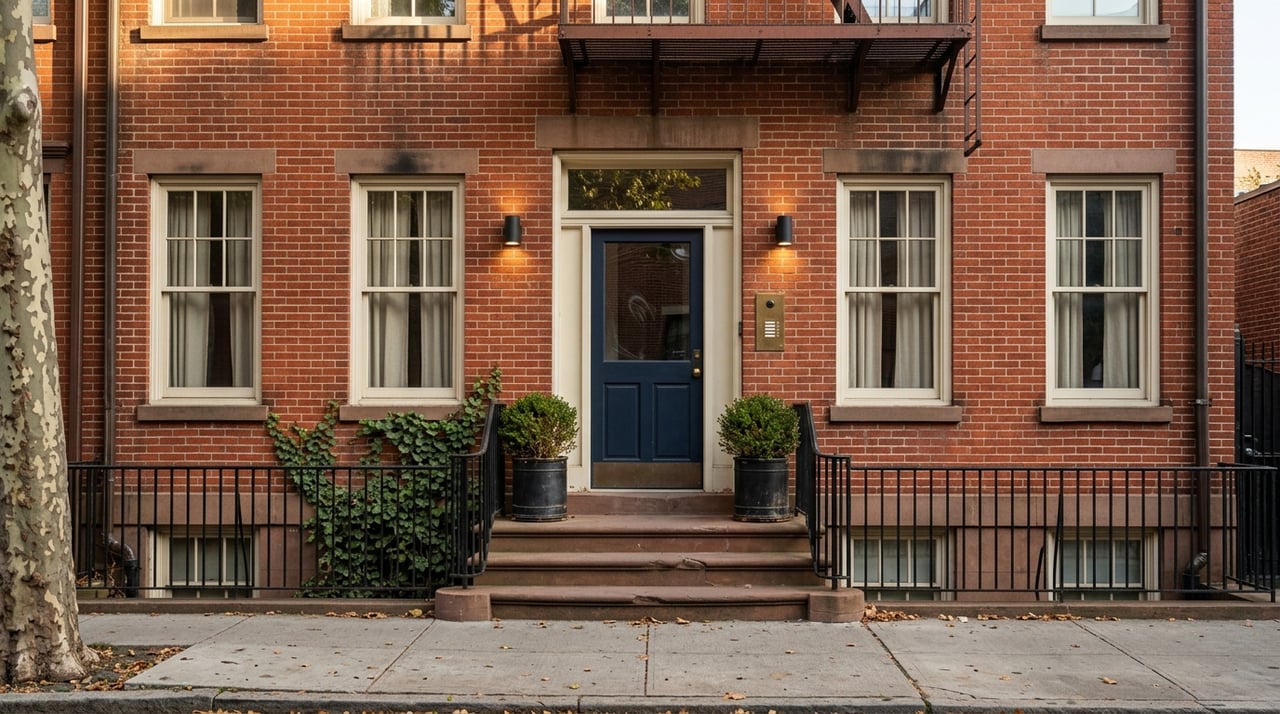
Brooklyn Heights adds another layer to seller prep because of its historic district status. The Brooklyn Heights Historic District was designated in 1965, and the Landmarks Preservation Commission says buildings in historic districts are subject to review for most exterior changes.
That means you should pause before starting any work involving windows, facades, terraces, vents, or other visible exterior elements. Even if a project appears to fit Department of Buildings rules, LPC review may still be required.
In most cases, the safest early work is simple cosmetic improvement inside the unit. Examples may include paint, patching, cleaning, lighting updates, and repairs that do not trigger a permit issue or affect the exterior.
LPC notes that ordinary exterior repairs like repainting to the same color or replacing broken window glass generally do not require review, while many other exterior changes do. Interior work usually does not require LPC review unless it needs a DOB permit, affects the exterior, or involves an interior landmark.
The practical rule is simple. Do the easy, low-risk cosmetic work early. Stop and check before anything that might create a permit, landmark, or board problem.
For most buyers, the online listing is the first showing. Zillow’s 2025 buyer research found that 67% of prospective buyers viewed for-sale homes on real estate websites. The most important listing feature was a floor plan at 33%, followed by high-resolution photos at 26% and 3D or virtual tours at 20%.
That tells you something important. Your listing does not just need to look attractive. It needs to make sense quickly.
In a co-op with character, alcoves, entry galleries, dining areas, or prewar room shapes, a clear floor plan can do a lot of heavy lifting. It helps buyers understand room flow, proportions, and how the apartment lives beyond the photos.
If the floor plan is confusing or inaccurate, buyers may move on before they ever schedule a showing. In a premium market, clarity is part of marketing.
The New York Department of State warned in November 2025 that AI-generated listing images can create misleading or exaggerated representations of properties, and that dishonest or misleading advertising can lead to discipline under Real Property Law § 441-c and false-advertising rules.
That makes truthful presentation more than a style choice. It is also a compliance issue. Use well-lit, minimally edited photography that shows the real apartment clearly, including light, scale, storage, and layout.
The best listing photos help buyers understand what they are seeing. They show how rooms connect, where the windows are, how furniture fits, and what kind of everyday life the apartment supports.
In Brooklyn Heights, where buyers may compare several prewar co-ops in a similar price band, that kind of visual legibility can be a real advantage. Clear always beats overproduced.
A co-op listing is not only about visual presentation. The second presentation layer is the paperwork. If your sale goes into contract, the buyer will likely need to assemble a detailed board package, and organized seller-side information can help reduce friction.
CooperatorNews describes the typical NYC co-op package as a dossier of letters, statements, disclosures, forms, and other documents used to assess identity, finances, legal status, and sometimes background or character. Standard requests commonly include employment letters, reference letters, one to three years of tax returns, a financial summary, and sometimes landlord references.
Before listing, it helps to review what a buyer may ask about the building and your unit. The New York Attorney General notes that buyers and their advisers may review the offering plan, board minutes, financial reports, and violation history to understand building condition and possible repairs.
If your apartment has renovation history, gather records while you still have time. Buyers may also ask about prior alterations, approvals, and any known building-wide issues.
This step is easy to push off and hard to fix late. The Department of Buildings says owners are responsible for ensuring a final Certificate of Occupancy, and warns that an expired Temporary Certificate of Occupancy can make it difficult or impossible to sell, refinance, or buy insurance.
If there were prior renovations or permit work connected to your unit or building, verify whether permits were properly closed out. If a Temporary Certificate of Occupancy is involved, DOB recommends consulting a licensed PE or RA.
Digital board-package platforms are increasingly common, which means file organization matters more than it used to. Clean file names, readable scans, and logical folders can save time later.
This may sound small, but it helps. In a co-op sale, delays often come from missing pieces, inconsistent documents, or avoidable confusion.
New York City adopted Local Law 58 of 2026, which requires co-ops to maintain a standardized application and transfer-requirements package, acknowledge receipt within 15 days, and notify the purchaser within 45 days after a complete application. The law takes effect 180 days after enactment.
For sellers, the message is straightforward. Incomplete packages are more likely to slow the process. Better organization on the front end can help support a smoother path once you have a qualified buyer.
If you are selling within the next season, a practical prep order can keep the process manageable.
This is often the difference between a rushed listing and a confident one. When both the home and the paperwork are ready, your launch tends to feel stronger.
In Brooklyn Heights, sellers can be tempted to overdo pre-listing work because the market is premium and buyers have high expectations. But the research supports a more focused approach.
What usually helps most is not chasing a major renovation right before market. It is presenting the apartment clearly, honestly, and with enough polish that buyers can appreciate the space right away. Pair that with organized documentation, and you put yourself in a better position for both interest and follow-through.
Selling a co-op here is part design exercise, part operational exercise. When both sides are handled well, the entire listing feels more credible.
If you are getting ready to sell and want a tailored plan for your apartment, pricing, and presentation, Tina Fallon can help you prepare with a thoughtful, high-touch strategy grounded in Brooklyn market knowledge.





Get assistance in determining current property value, crafting a competitive offer, writing and negotiating a contract, and much more. Contact me today so I can guide you through the buying and selling process.