Townhouse Vs Apartment Living In Cobble Hill
July 2, 2026
July 2, 2026
If you are deciding between a townhouse and an apartment in Cobble Hill, you are really choosing between two very different ways of living. Both can put you on beautiful, tree-lined Brooklyn blocks, but the day-to-day feel, level of privacy, and ongoing responsibilities can be very different. This guide will help you compare how each option tends to work in Cobble Hill, what tradeoffs to expect, and which questions to ask before you commit. Let’s dive in.
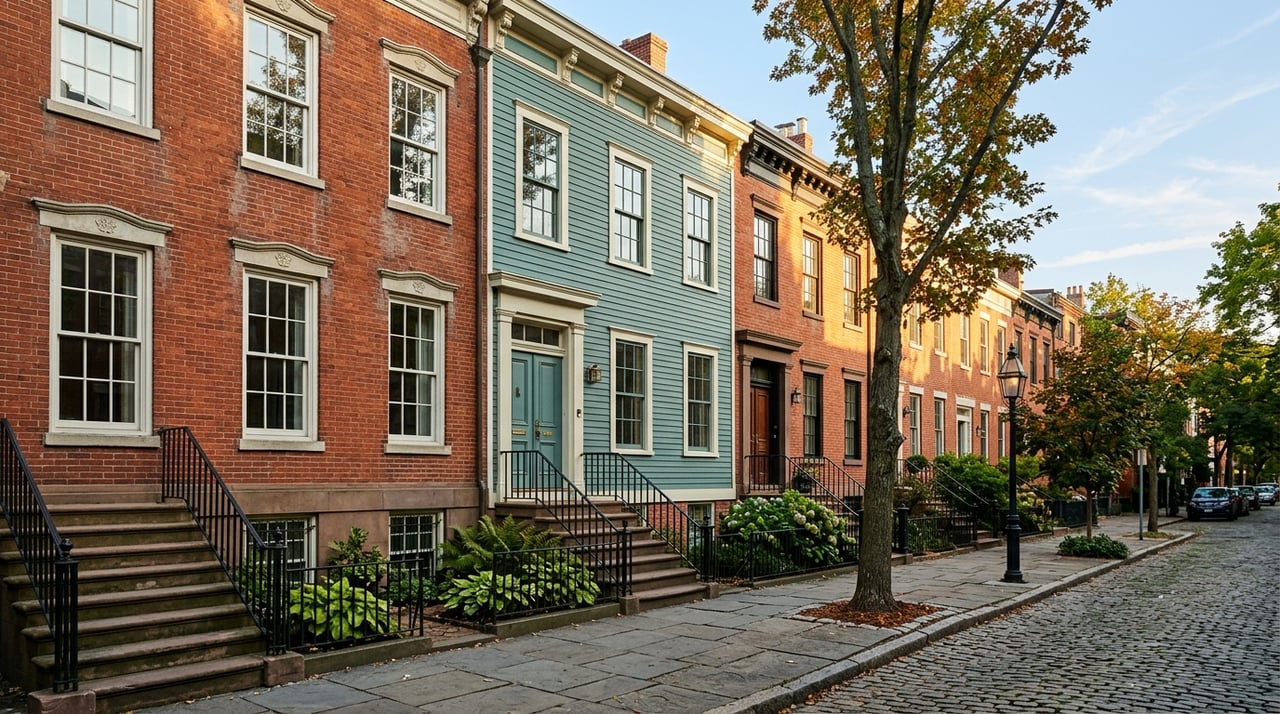
Cobble Hill stands out for its historic residential character. The Cobble Hill Historic District is known for its 19th-century streetscape, lower building heights, and a mix of row houses and apartment buildings that still shape how the neighborhood feels today.
That contrast shows up clearly on the street. Warren Place reflects a more secluded townhouse-style setting with narrow one-family houses and iron gates, while Atlantic Avenue includes 4- to 8-story residential apartment buildings with ground-floor commercial uses. Court Street adds another layer, with 3-story row houses that may include commercial space at street level and residential units above.
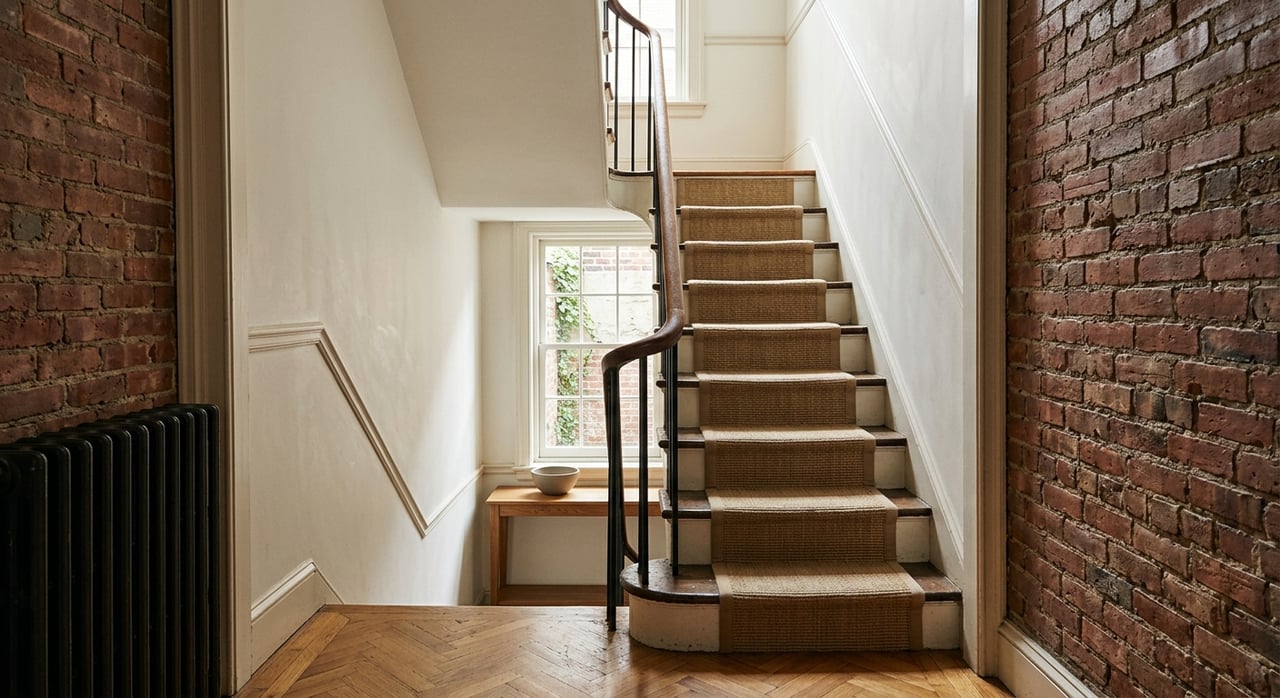
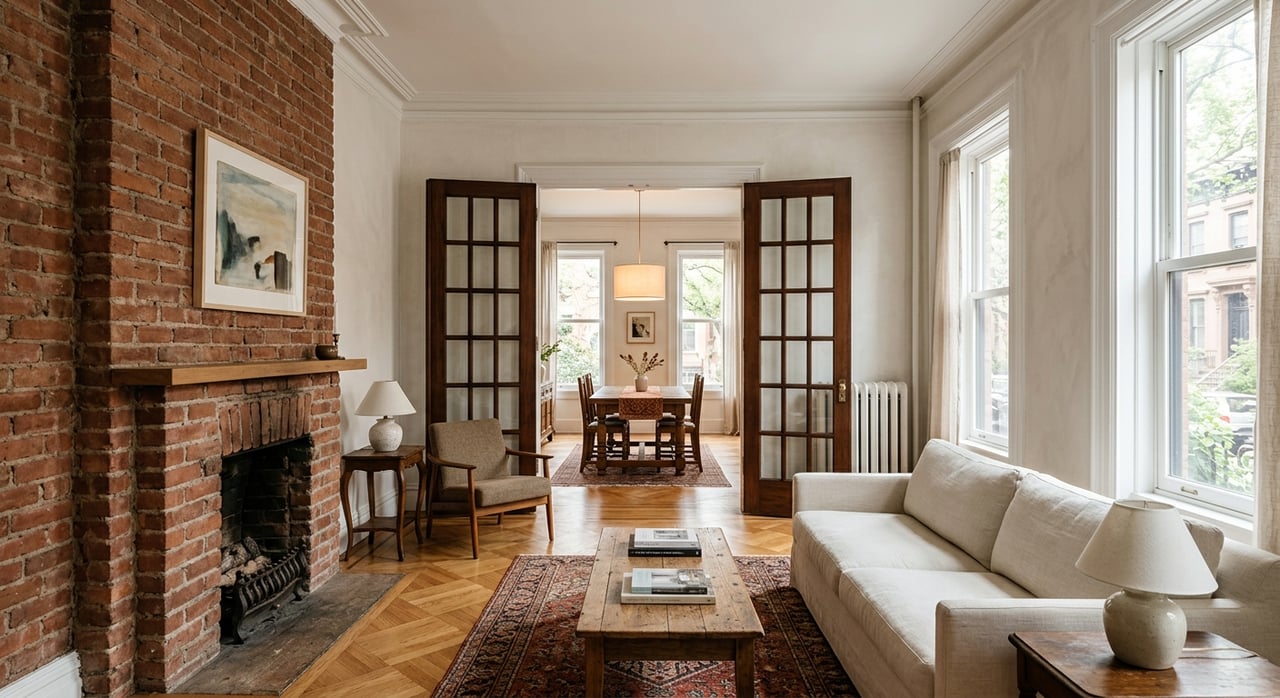
A townhouse is usually the most house-like option you will find in Cobble Hill. Because the neighborhood’s historic fabric is dominated by row houses and courtyard houses, a townhouse often offers more privacy, fewer shared spaces, and a more direct street-to-home connection than an apartment.
For many buyers and renters, that means a quieter and more self-contained experience. You are more likely to move through your own entry, manage your own layout, and feel a stronger sense of separation from neighbors than you would in a shared-hallway building.
Inside, a townhouse often has a vertical layout. That can make it easier to separate daily functions, like keeping bedrooms on one level and entertaining or working on another, but it also means stairs become part of everyday life.
A townhouse may appeal to you if you value:
That extra independence comes with more direct responsibility. If you own a townhouse, you are typically thinking about the whole building, not just the interior of one unit.
The New York State Attorney General advises buyers to inspect major systems and conditions carefully, including the facade, roof, flooring, windows, electrical wiring, plumbing, heating and cooling systems, and sub-soil conditions. In townhouse-type developments with grounds, due diligence may also include roadways, sidewalks, drainage systems, and retaining walls.
If the property is landmarked, exterior work has another layer. In Cobble Hill, that matters because exterior alterations, reconstruction, demolition, and new construction that affect the building require approval from the Landmarks Preservation Commission before work begins.
In Cobble Hill, apartment living usually means a condo or co-op in a low- or mid-rise building. These homes can still offer plenty of character, but the ownership structure and daily rhythm are usually more communal than what you would find in a townhouse.
That shared rhythm often includes hallways, elevators, package areas, and house rules. For many people, the benefit is convenience. Apartment living can feel more lock-and-leave, with less direct responsibility for the building shell and site.
If your priority is a lower-maintenance lifestyle, an apartment may be the better fit. You are still affected by the building’s condition and repair needs, but you are usually not handling every issue at the individual property level the way a townhouse owner would.
Condos and co-ops are not the same, and that difference matters in Cobble Hill.
In a condo, a board follows the building’s bylaws, declaration, and house rules. Expenses are charged according to each unit owner’s common interest, and sublet provisions are generally less restrictive than in many co-ops.
In a co-op, you buy shares in a corporation that are allocated to a specific apartment. Maintenance charges are based on the number of shares assigned to that unit, and the building is governed by other shareholders through bylaws, a proprietary lease, and house rules.
An apartment may be a better match if you want:
The tradeoff is shared governance. Your experience may be shaped by board rules, financial decisions, and building-wide repair planning.
The Attorney General notes that existing apartment buildings always need repairs and maintenance, and expensive issues can involve facades, roofs, elevators, plumbing, electrical systems, and boilers. That is why reviewing the building’s history matters just as much as liking the apartment itself.
Townhouse and apartment costs are often structured very differently in New York City. Even before you get into purchase price, the ongoing monthly-cost conversation is not the same.
The Department of Finance says tax class 1 generally covers one- to three-unit residential properties, while tax class 2 includes cooperative and condominium apartments. For tax year 2026, the city lists class 1 at 19.843% and class 2 at 12.439%, and class 1 assessment growth is capped at 6% per year and 20% over five years unless the property changes physically.
In practical terms, townhouse owners are usually planning around the full building envelope and site. Condo and co-op buyers are more likely to focus on monthly charges, board finances, and the building’s repair history.
No matter which path you prefer, strong due diligence matters. A beautiful showing does not always reveal the full picture.
For apartments, the Attorney General specifically recommends reviewing:
For townhouses, focus closely on:
The right answer often comes down to how you want your home to function day to day. In Cobble Hill, both options can offer charm and location, but they support different rhythms.
If you want more privacy, more control, and a more house-like experience, a townhouse may feel like the stronger fit. If you prefer less hands-on upkeep and are comfortable with shared rules and building oversight, an apartment may make your life easier.
For renters, the same comparison still applies. Apartment rentals often come with more building rules and shared systems, while townhouse rentals can feel more private but may also come with the quirks of an older structure.
If you are touring Cobble Hill with this choice in mind, it helps to notice how different streets express different housing types.
Warren Place is a clear example of a townhouse-oriented setting. Court Street shows how mixed rowhouse blocks can combine residential and commercial uses, and Atlantic Avenue highlights the apartment-building side of Cobble Hill with taller residential buildings and active ground floors.
These local patterns are part of what makes the neighborhood appealing. You are not just choosing a property type. You are also choosing a block experience, a building rhythm, and a level of responsibility that fits your life.
If you are weighing a townhouse against a condo or co-op in Cobble Hill, having neighborhood-specific guidance can make the decision much clearer. Tina Fallon can help you compare options, understand the tradeoffs, and find a home that fits how you want to live.
Get assistance in determining current property value, crafting a competitive offer, writing and negotiating a contract, and much more. Contact me today so I can guide you through the buying and selling process.