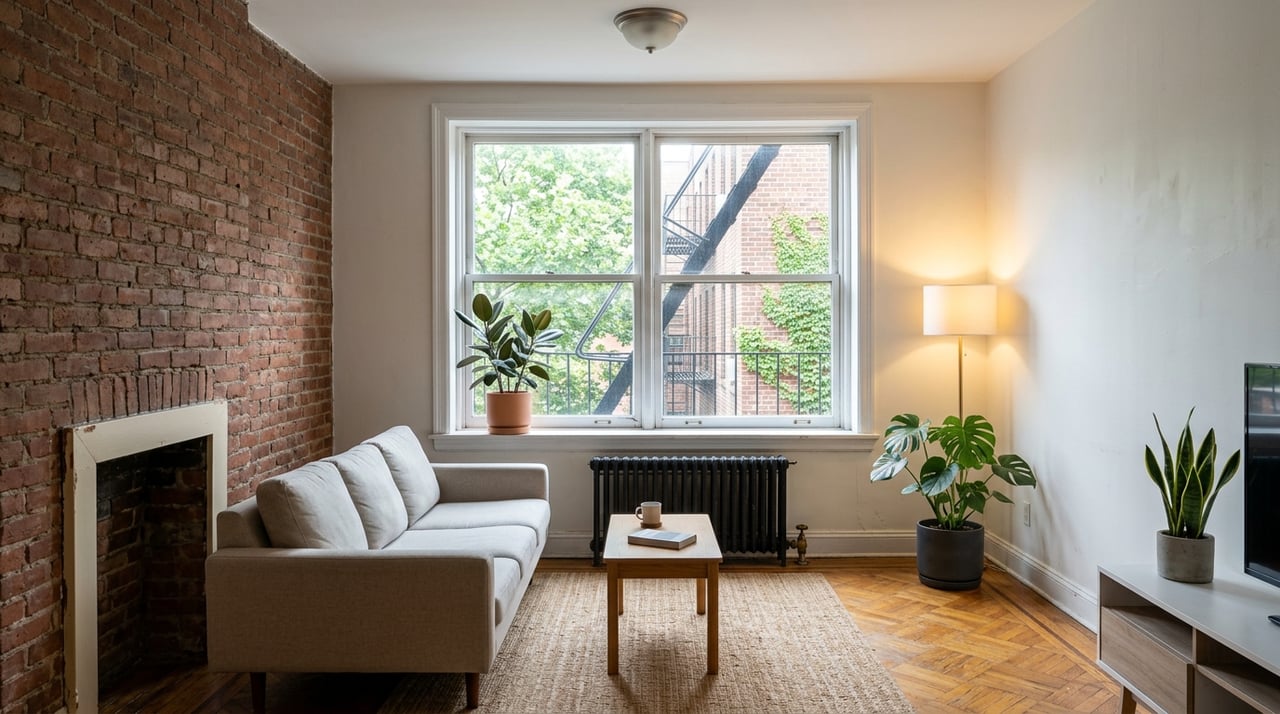
What It’s Like To Live In Prospect Heights
June 11, 2026
June 11, 2026
If you are looking for a Brooklyn neighborhood that feels both grounded and alive, Prospect Heights is easy to notice. It offers a rare mix of quiet residential blocks, major cultural destinations, and everyday conveniences that sit remarkably close together. That balance matters when you are trying to picture your real routine, not just a weekend visit. Here’s what it’s actually like to live in Prospect Heights, and why so many buyers and renters are drawn to its particular rhythm.
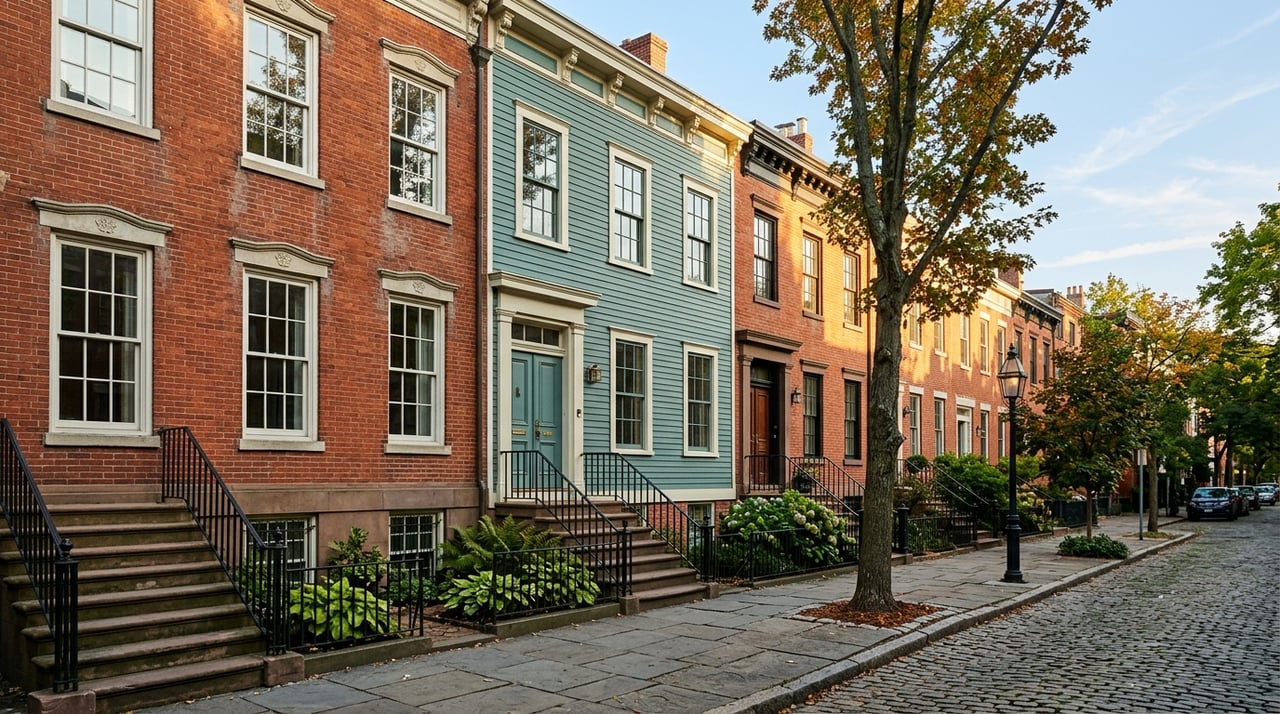
Prospect Heights feels compact, layered, and highly walkable. The neighborhood is known for its historic residential character, especially within the Prospect Heights Historic District, which was designated in 2009 and includes 850 buildings dating mostly from the mid-19th to early 20th centuries.
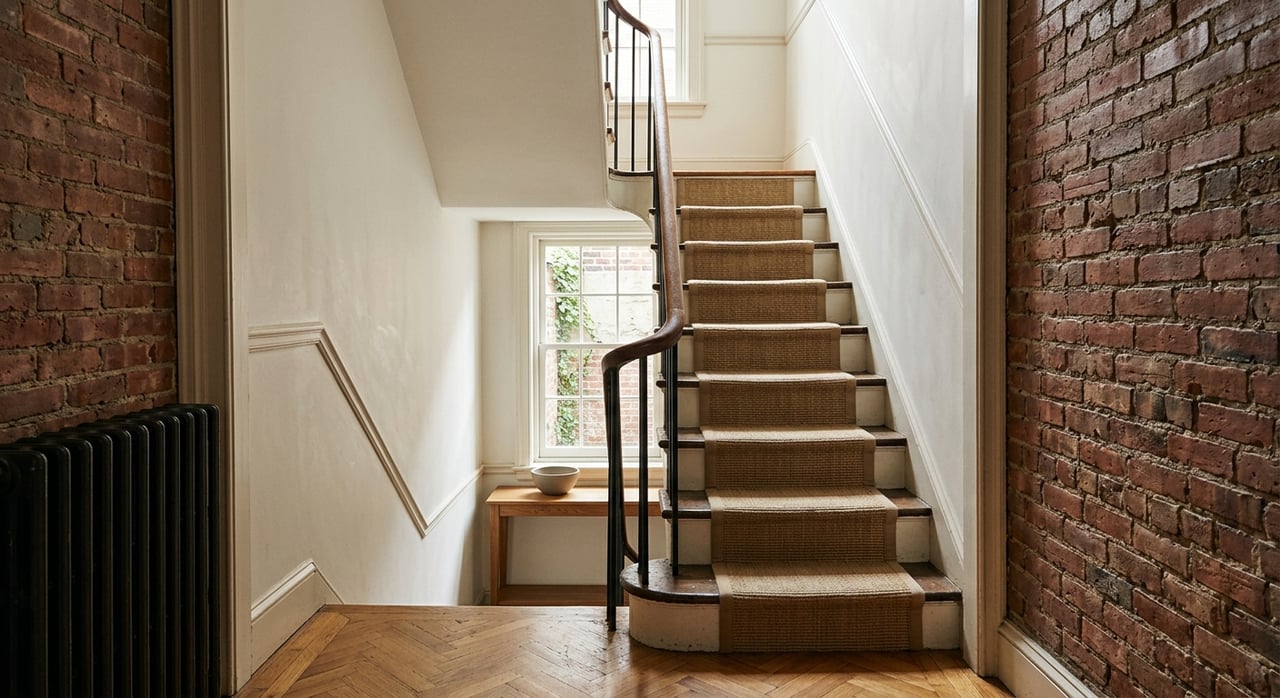
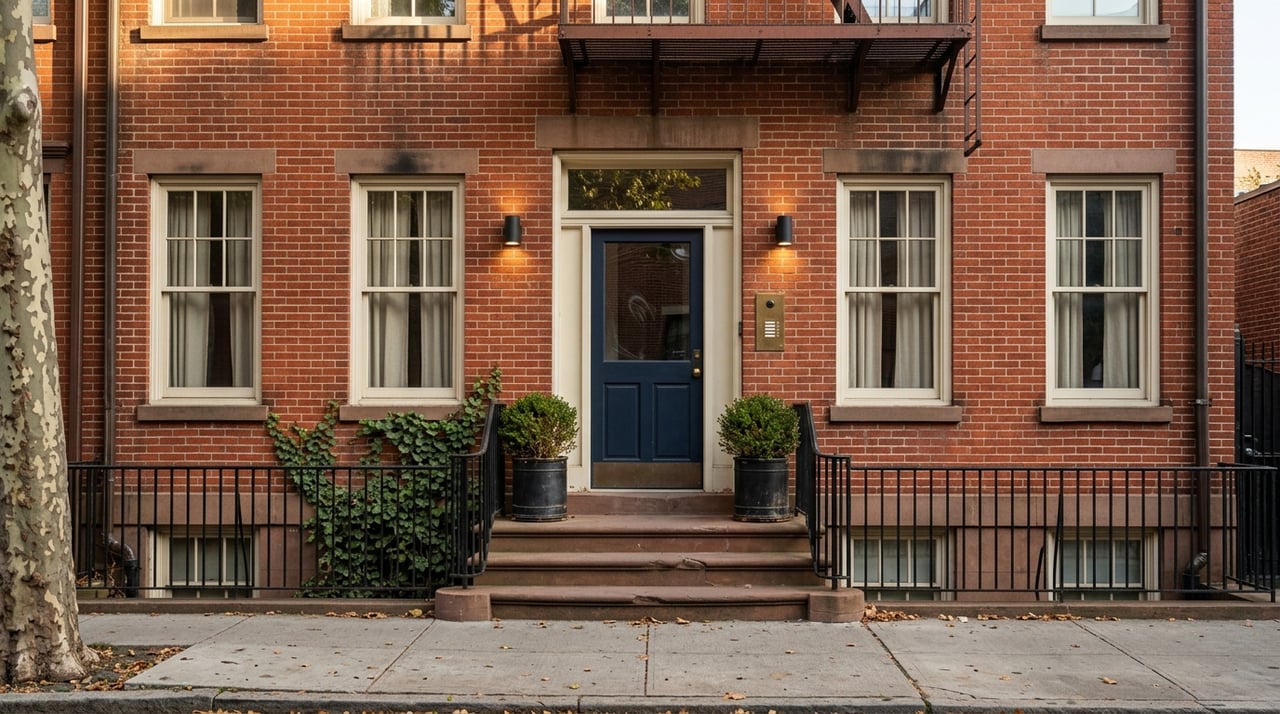
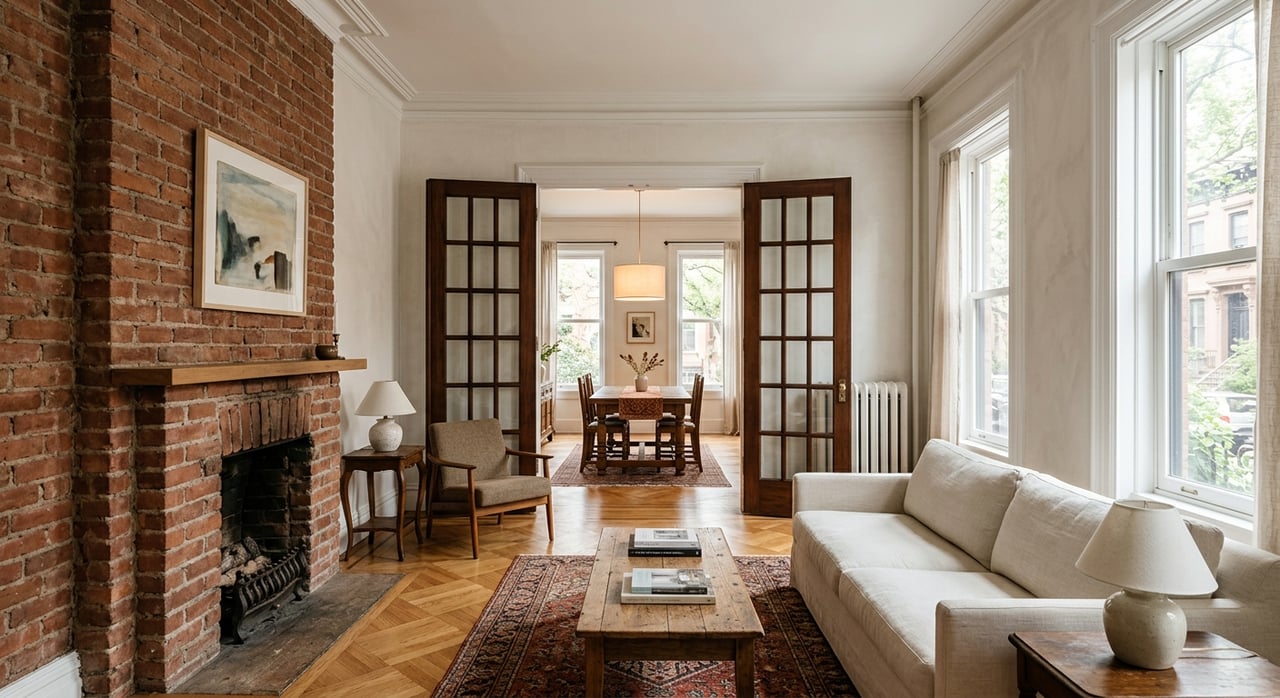
That history shows up in the streetscape. You will find single-family row houses, apartment buildings, and a mix of architectural styles including Italianate, neo-Grec, Romanesque Revival, Renaissance Revival, and early 20th-century apartment-house design. The result is a neighborhood that feels textured and established rather than polished into one uniform look.
One of the most useful things to know about Prospect Heights is that it changes by block. The interior streets tend to feel quieter, more residential, and visually cohesive, with tree-lined blocks and preserved historic buildings shaping the experience.
The edges feel different. Along corridors like Vanderbilt Avenue and Flatbush Avenue, the neighborhood opens up into more mixed-use streets with residential buildings, shops, and ground-floor commercial spaces. In daily life, that means you can move from a calm brownstone block to a busier retail stretch within just a few minutes.
This contrast is a big part of the neighborhood’s appeal. You get a strong residential feel in the middle, but you are never far from activity, transit, or cultural destinations.
It also means your experience can vary depending on where you live. A home on a quieter interior block may feel very different from one closer to Grand Army Plaza, Flatbush Avenue, or the Barclays Center area.
Prospect Park is one of the biggest lifestyle drivers in Prospect Heights. The park spans 585 acres and serves as Brooklyn’s flagship park, with more than 10 million visits each year. It also includes Brooklyn’s only lake and its last remaining forest.
For residents, that is not just a nice feature on a map. It means regular access to long walks, open green space, wooded trails, and a sense of seasonal change that can be hard to find in the city.
The park’s nature-trail system runs through 350 acres of woodlands and waterways, including Brooklyn’s last remaining upland forest. If you value outdoor space as part of your weekly routine, Prospect Heights has a strong case to make.
And it is not just Prospect Park. Brooklyn Botanic Garden is also nearby, adding another layer to the neighborhood’s green feel. Together with Grand Army Plaza, these spaces help Prospect Heights feel notably green by Brooklyn standards.
In some neighborhoods, museums and libraries feel like destinations you plan around. In Prospect Heights, they can feel like part of the backdrop of daily life.
The neighborhood sits close to several major institutions, including Brooklyn Central Library at 10 Grand Army Plaza, Brooklyn Museum at 200 Eastern Parkway, and Brooklyn Botanic Garden with entrances on Eastern Parkway, Flatbush Avenue, and Washington Avenue. Because these anchors sit so close together, it is easy to build them into your routine rather than treating them as occasional outings.
That proximity changes how the neighborhood lives. A Saturday might include a walk through Prospect Park, a stop at the Greenmarket, a visit to the library, and dinner nearby, all without leaving the immediate area.
For buyers who care about lifestyle fit, this is where Prospect Heights stands out. It offers access to large-scale cultural and civic institutions while still feeling like a neighborhood first.
Prospect Heights also has a lively food and street-life reputation. The neighborhood is widely associated with a diverse culinary scene, and Vanderbilt Avenue is a major reason why.
Vanderbilt Avenue is more than a dining corridor. It also functions as a public-space corridor, especially during warmer months when Vanderbilt Open Streets runs on Saturdays from May through September, from noon to 10 pm, between Atlantic Avenue and Park Place.
When Open Streets is active, Vanderbilt Avenue becomes even more social and pedestrian-oriented. That adds visible neighborhood energy and can make the area feel especially lively on weekends.
If you like having cafés, restaurants, and outdoor street activity close by, this part of Prospect Heights can be a major draw. If you prefer a quieter setting, you may want to focus your home search on the neighborhood’s more interior blocks.
Few local amenities shape weekly life as clearly as the Grand Army Plaza Greenmarket. The market runs year-round on Saturdays from 8:00 am to 4:00 pm at Prospect Park West and Flatbush Avenue, at the northwest entrance to Prospect Park.
It has connected local farms and nearby Brooklyn neighborhoods since 1989. That long-running presence gives Prospect Heights a reliable weekend rhythm that many residents build into their routines.
For some people, a Greenmarket is a pleasant extra. In Prospect Heights, it is part of how the neighborhood feels and functions.
It creates a natural Saturday pattern: coffee, market shopping, a walk through the park, and time on nearby streets or at local institutions. If you are drawn to neighborhoods with rituals and repeatable routines, this is one of Prospect Heights’ clearest lifestyle advantages.
Prospect Heights offers strong transit access while still reading as a residential neighborhood. That combination is a big reason the area works for so many different buyers and renters.
Nearby subway access includes Grand Army Plaza on the 2 and 3 lines, 7 Av on the B and Q, Eastern Parkway-Brooklyn Museum on the 2 and 3, and Atlantic Av-Barclays Center on the 2, 3, 4, 5, B, Q, D, N, and R, along with the Long Island Rail Road.
This kind of access makes it easier to live a neighborhood-first lifestyle without feeling cut off. You can prioritize park access, residential blocks, and local culture while still having practical connections to the rest of Brooklyn and beyond.
That said, transit convenience also contributes to neighborhood activity. Areas near major stations and major destinations tend to feel busier than the quieter interior streets.
The neighborhood’s north edge is shaped in part by Barclays Center at Flatbush and Atlantic Avenues. Opened in 2012, the venue serves as a major sports and entertainment destination and is home to the Brooklyn Nets and New York Liberty.
For residents, this creates a different kind of neighborhood energy. You have access to a major event venue nearby, but you may also notice heavier foot traffic and more crowding around Atlantic and Flatbush, especially on event nights.
This is one of the clearest tradeoffs in Prospect Heights. The same features that make the area exciting and connected can also create pockets of congestion, especially on Saturdays near Grand Army Plaza and on evenings when events are happening near the arena.
That does not define the whole neighborhood, but it is important context if you are comparing one part of Prospect Heights to another. Micro-location matters here.
Prospect Heights is a strong fit if you want a neighborhood that feels residential but not sleepy. It tends to appeal to people who want green space, culture, and transit access as part of everyday life, not as separate destinations.
It can be especially appealing if you value:
At the same time, it helps to be realistic about the tradeoffs. Some areas are calmer, while others are more public, more crowded, and more event-oriented.
The simplest way to describe Prospect Heights is as a neighborhood of adjacency. Park next to museum. Brownstone block next to market. Quiet street next to active corridor.
That balance is what makes it memorable. If you want Brooklyn living that combines residential character, cultural access, and a strong sense of place, Prospect Heights offers a lifestyle that is both practical and distinct.
If you are trying to decide whether Prospect Heights fits the way you actually want to live, working with someone who understands block-by-block differences can make the search much clearer. Tina Fallon offers thoughtful, neighborhood-focused guidance for buyers, sellers, and clients navigating Brooklyn with an eye toward fit, value, and daily life.
Get assistance in determining current property value, crafting a competitive offer, writing and negotiating a contract, and much more. Contact me today so I can guide you through the buying and selling process.