
Navigating Co-Op And Condo Boards In Boerum Hill
June 25, 2026
June 25, 2026
If you are buying in Boerum Hill, the apartment itself is only part of the story. A beautiful brownstone floor-through or a polished loft can still come with very different rules, timelines, and review steps depending on whether it is a co-op, a condo, or a townhouse-style property. Understanding how boards work can help you ask better questions early, avoid surprises, and move through the process with more confidence. Let’s dive in.
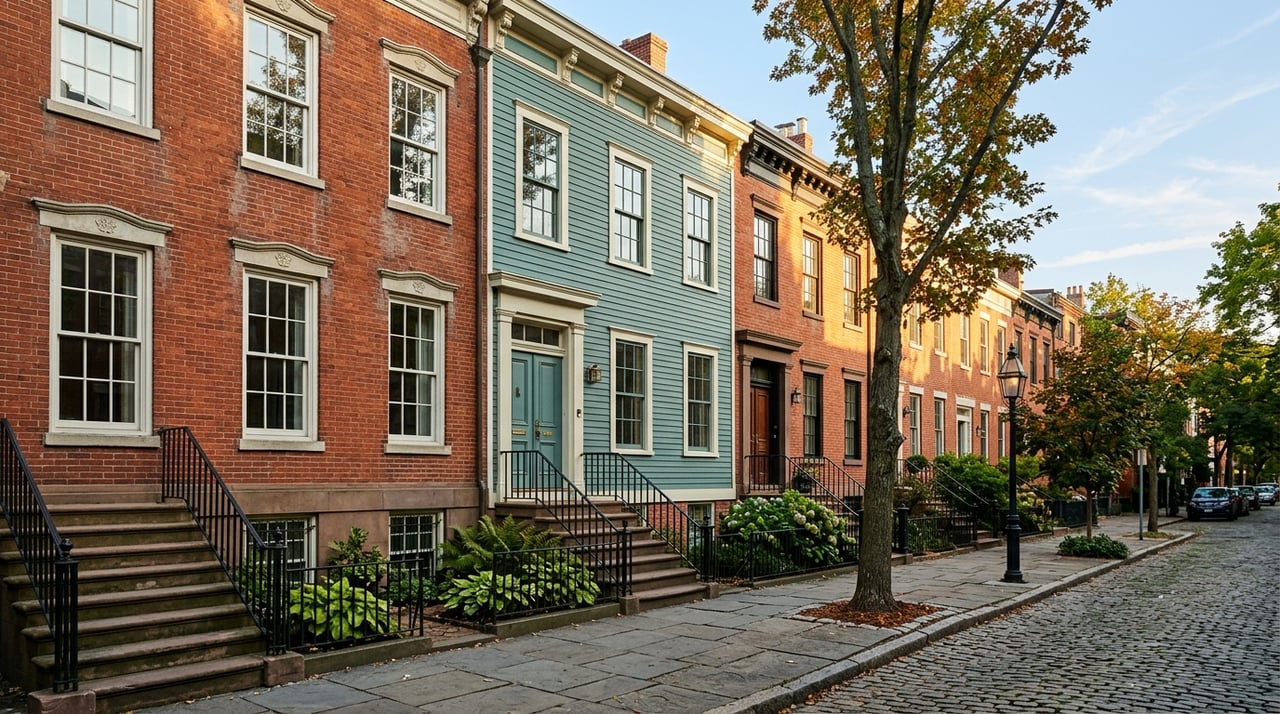
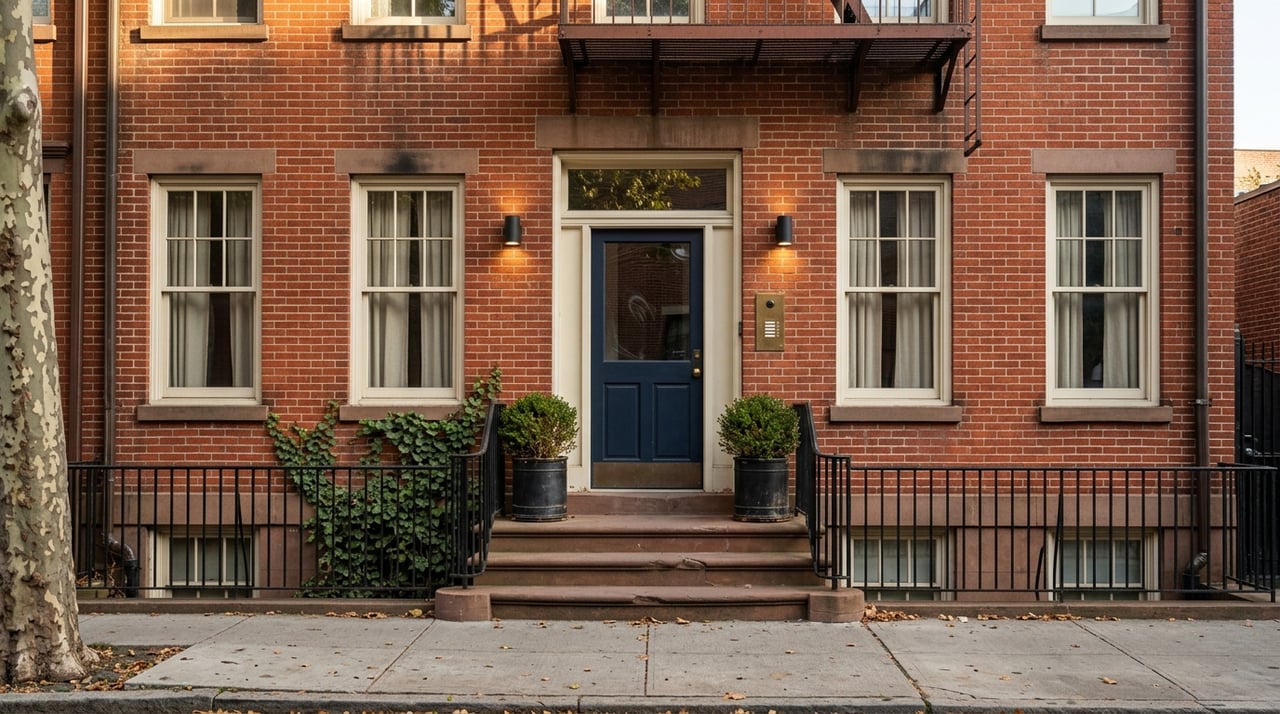
Boerum Hill is known for its residential blocks, historic rowhouses, and a mix of low-rise buildings, loft buildings, and larger apartment buildings. In practical terms, that means your buying experience can vary a lot from one property to the next, even within the same few blocks.
The key difference is not just the neighborhood. It is the ownership structure. A co-op, a condo, and a townhouse-style home each come with a different approval path, a different set of governing documents, and a different level of board involvement.
When you buy a co-op in New York, you are not buying a deed to the apartment in the same way you would with a condo. You are buying shares in a corporation, and those shares are tied to a long-term proprietary lease for the unit.
That structure shapes the entire process. It also explains why co-op boards play such a central role in a purchase. The New York Attorney General states that a prospective co-op buyer needs board approval.
Co-op boards are elected by shareholders. They are expected to follow the building’s governing documents, including the bylaws, proprietary lease, certificate of incorporation, and house rules.
For you as a buyer, that means many day-to-day questions are answered in those documents. Rules about subletting, renovations, meeting procedures, and building operations are often specific to that building, not to Boerum Hill as a whole.
In a co-op, due diligence should go beyond the apartment layout and condition. You should closely review the building documents and financial materials before moving forward.
Important items often include:
The New York Attorney General also advises prospective purchasers to examine the annual report before entering into a sale agreement. That step can give you a better sense of how the building is run and whether there are issues that may affect ownership.
A condo works differently. In a condominium, you generally own your unit outright and also hold an undivided interest in the building’s common elements.
That distinction matters because condo ownership is often seen as more flexible on paper. You can generally mortgage the unit separately, and the board’s authority is different from what you would see in a co-op.
Condo boards are usually made up of other unit owners, and they generally serve without pay. The board’s powers come from the condominium’s declaration, bylaws, floor plans, and rules and regulations.
Unlike a co-op board, a condo board does not generally have the right to approve or disapprove purchasers if a right of first refusal applies. Instead, the offering plan must state whether the board has a right of first refusal, and the board must act within the time period stated there.
A condo may feel simpler, but it is not a skip-the-rules situation. You still need to understand the building’s documents because they can affect resale timing, leasing options, and how the property is managed.
Key items to review often include:
The New York Attorney General says these board documents must be available for inspection in the board office. That makes document review a core part of condo due diligence.
Both ownership types come with building governance, but the experience can feel very different. In Boerum Hill, that difference can affect everything from your offer strategy to your renovation plans after closing.
Here is a simple way to think about it:
| Topic | Co-op | Condo |
|---|---|---|
| What you buy | Shares in a corporation tied to a proprietary lease | Title to the unit plus common interest |
| Board role | Buyer approval is central | Board may have right of first refusal if stated |
| Key documents | Bylaws, proprietary lease, house rules, annual report | Declaration, bylaws, rules, floor plans |
| Flexibility | Often more rule-driven | Often more flexible on paper |
This does not mean one is always better than the other. It means the right fit depends on your goals, timeline, and comfort with building rules.
Many buyers ask how long board review will take. In Boerum Hill, the most useful answer is that timelines are usually building-specific.
The pace can depend on several factors, including whether the property is a co-op or condo, how complete the purchase package is, the board’s meeting schedule, and whether sponsor control is still in place. Because of that, two similar homes in the same neighborhood can move at very different speeds.
That is why preparation matters. When your paperwork is organized early and your attorney is reviewing the right documents before signing, you are in a much stronger position to keep the process moving.
Board review is not just a pre-closing hurdle. These rules can shape how you live in the home after you buy it.
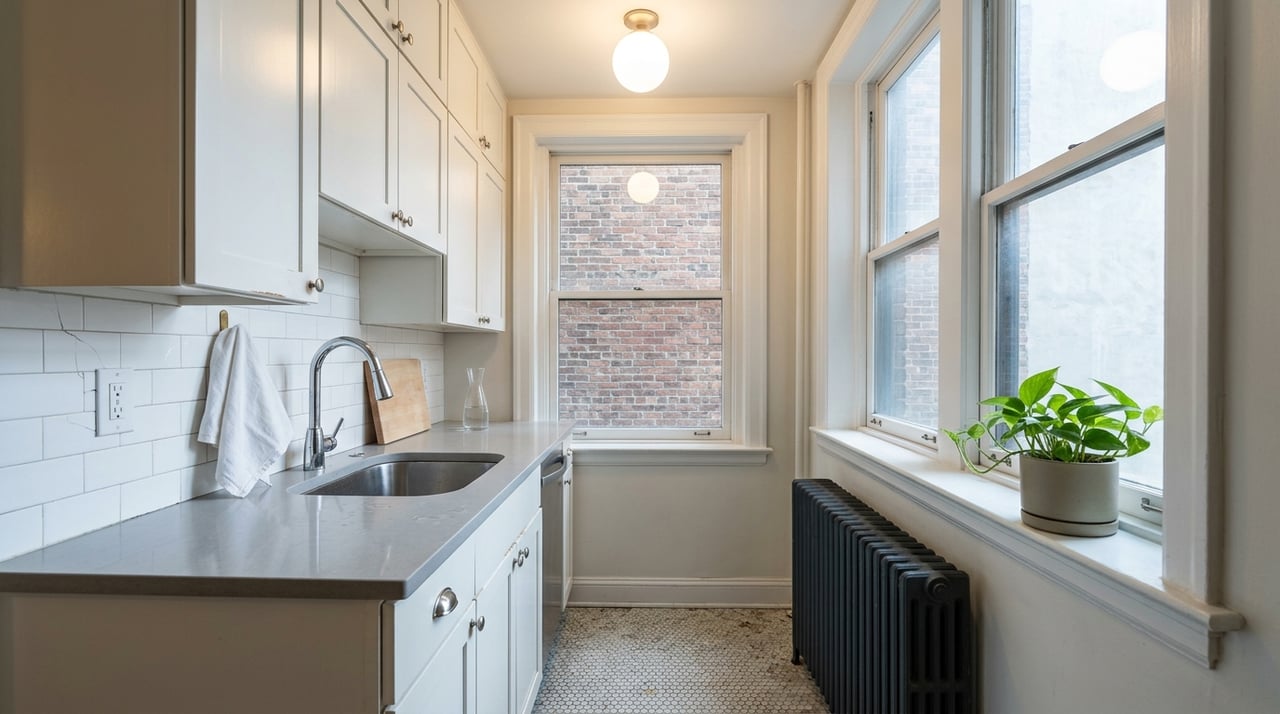
In both co-ops and condos, governing documents may address subletting, renovations, meetings, repairs, and dispute procedures. If you are hoping to renovate a kitchen, rent out the unit later, or simply want clarity on how the building operates, those details matter.
In a co-op, the culture can feel more community-governed and more rule-driven. In a condo, the framework may be more flexible, but the actual bylaws and rules still deserve close attention.
In Boerum Hill, there is another layer to keep in mind. Parts of the neighborhood are within a historic district, and the historic district was designated in 1973.
If a property is landmarked or located within a historic district, most exterior changes require approval from the Landmarks Preservation Commission in advance. Ordinary interior work is usually not reviewed unless it affects the exterior or requires a permit.
For brownstone buyers, this is important. You may be dealing with both building governance and preservation review, and those are separate processes. A board may approve something that still needs Landmarks approval, or a townhouse owner may not have a board at all but still need Landmarks review for exterior work.
One of the best ways to avoid stress is to identify the governing structure as early as possible. That helps you understand what kind of review process you are entering before you get too far down the road.
Here are smart questions to ask early in a Boerum Hill purchase:
According to the New York Attorney General, the answer to that last question is yes. Buyers are strongly advised to read the entire offering plan when one exists and consult an attorney before signing a purchase agreement.
Boerum Hill offers a wide range of housing, from classic rowhouses to co-ops and condos in larger buildings. That variety is part of the neighborhood’s appeal, but it also means there is no one-size-fits-all path to closing.
The most important takeaway is simple: the home’s ownership structure and governing documents will tell you far more about your approval path and future flexibility than the neighborhood name alone. When you understand those details early, you can make better decisions, set realistic expectations, and choose a home that truly fits how you want to live.
If you are weighing a co-op, condo, or brownstone purchase in Boerum Hill, working with someone who understands both the paperwork and the neighborhood can make the process feel much more manageable. If you want thoughtful guidance tailored to your goals, connect with Tina Fallon.



Get assistance in determining current property value, crafting a competitive offer, writing and negotiating a contract, and much more. Contact me today so I can guide you through the buying and selling process.